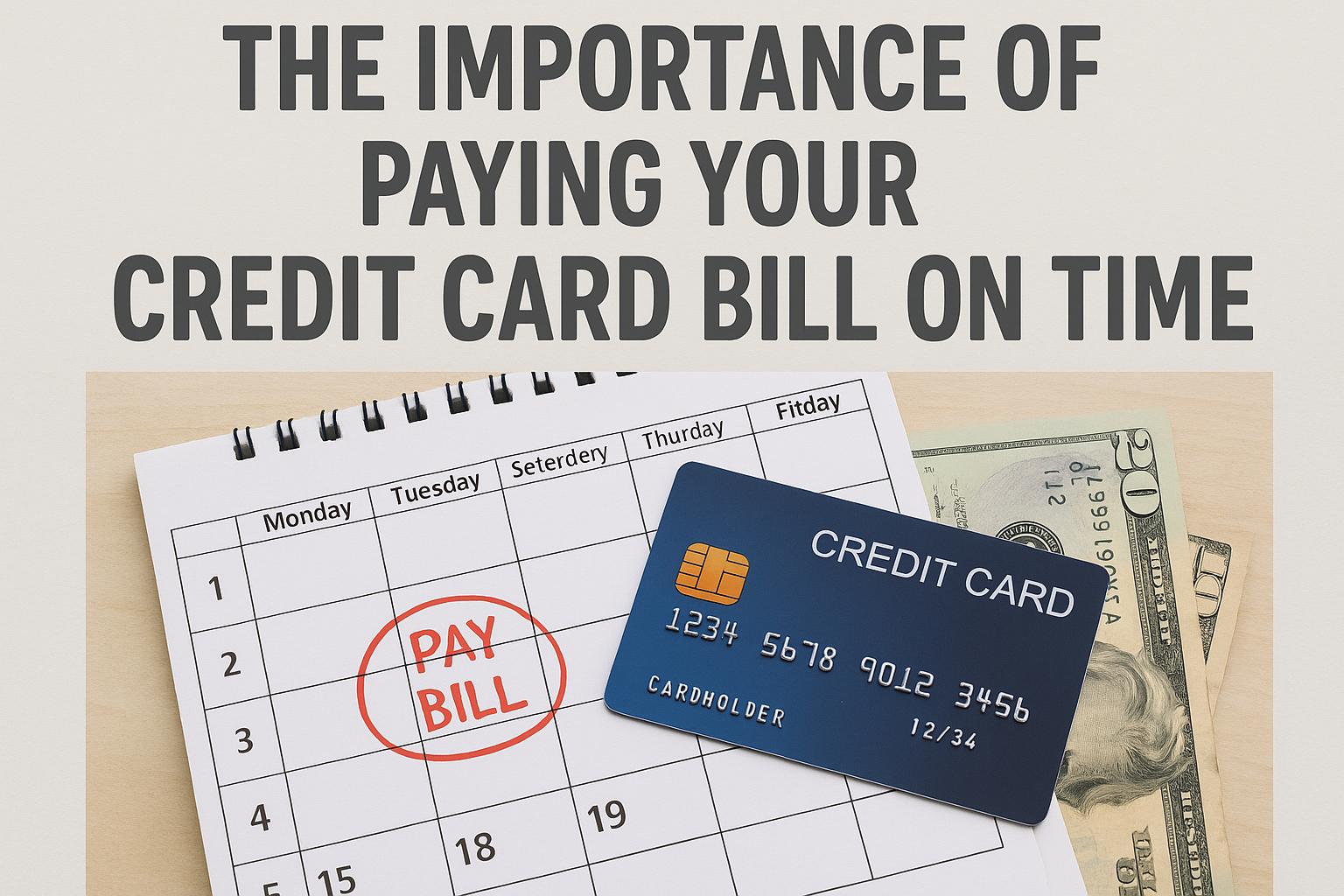
The Importance of Timely Credit Card Payments
Managing credit card payments effectively is crucial for maintaining financial stability. Paying your credit card bill on time is not just a good financial habit; it has significant implications for your credit score, finances, and overall financial health. Let us delve deeper into understanding why timely payments are significant, how they affect various aspects of your financial well-being, and explore strategies to ensure you stay on top of this important task.
Understanding the Impact on Credit Score
Your credit score is a numerical representation of your creditworthiness, a factor that financial institutions evaluate when deciding on lending money to you. Your credit score can range from poor to excellent, with several variables influencing it. Among these variables, timely payments on your credit card constitute a significant part. Late payments can severely impact your score, making it challenging to obtain future loans or credit cards with favorable terms.
Credit card companies report your payment behavior to major credit bureaus, and any misdemeanors like late payments are recorded and reflected in your credit report. Over time, these records can accumulate and have a lasting impact on your credit score, thus emphasizing the necessity of consistent, on-time payments. If you seek a comprehensive understanding of how credit scores are calculated, you may visit official financial resources for more information.
The Consequences of Late Fees and Interest Rates
When you fail to pay your credit card bill on the due date, a late fee is generally charged to your account. These late fees may seem trivial at first, but they can rapidly accumulate if not addressed promptly. Persistently missed payments can escalate the total cost of outstanding debt, making it even more challenging to stabilize your finances.
Furthermore, carrying a balance past the due date subjects you to high interest rates. Each month your balance is not paid in full, interest is accrued on the remaining balance, which increases the total amount you owe. This compounding effect can quickly spiral into a burdensome financial situation, making it hard to rein in your debts. Debt accumulated in this manner often results in a never-ending cycle that perimeter it difficult to break free from.
Maintaining a Balanced Credit Limit Utilization Ratio
One of the essential elements in calculating your credit score is the credit utilization ratio. This ratio measures the percentage of your available credit that you are using at a particular time. It serves as an indicator of credit risk to lenders. A lower ratio signifies responsible credit usage, while a higher ratio may denote elevated risk.
Timely payments directly contribute to managing a low credit utilization ratio, thereby exerting a favorable influence on your credit score. For instance, if your credit limit is $10,000 and your balance is $2,000, your credit utilization ratio is 20%. Ideally, you should aim to keep this ratio below 30% to demonstrate effective credit management.
Fostering Trust and Confidence with Lenders
Maintaining a track record of consistent, on-time credit card payments highlights your reliability and financial responsibility to lenders. Such behavior demonstrates that you are capable of managing credit efficiently. When you build trust and confidence with lenders, it can pay off in the form of more attractive borrowing terms. This might include access to lower interest rates or higher credit limits in the future.
Lenders want to work with borrowers whom they perceive as low-risk. Therefore, individuals who consistently pay their bills on time are more likely to receive favorable credit terms. For additional insights on how to build trust with lenders, you may refer to finance-related articles on websites like Investopedia.
Deliberate Strategies for Ensuring On-Time Payments
Ensuring that you pay your credit card bill on time requires deliberate planning and discipline. One highly effective method is to set up automatic payments through your bank account. By automating the process, you remove the risk of forgetting to make a payment, thereby simplifying your financial management.
Another strategy involves keeping close track of your billing cycles by leveraging calendar reminders. Whether using a digital calendar or a traditional organizer, these reminders act as cues to help you stay organized. Moreover, they ensure you plan accordingly to have sufficient funds to clear your dues on time.
Establishing a solid budgeting plan is equally critical. A comprehensive budget provides direction regarding your income and expenditure, enabling you to allocate ample funds for settling your monthly credit card bills. Routine assessment of your budget and spending habits also contributes to making sure that your financial picture remains stable.
Conclusion
Punctually paying your credit card bill is a fundamental aspect of financial management. By doing so, you positively impact your credit score and minimize the costs associated with late fees and high interests. Furthermore, consistent on-time payments strengthen your credibility with creditors.
Incorporating smart financial strategies into your routine can help you manage your credit card responsibly. By committing to prompt payments, you preserve your financial stability and position yourself to leverage favorable credit opportunities in the future. A conscientious approach to managing credit cards empowers you to achieve financial objectives without succumbing to debt-related stresses.