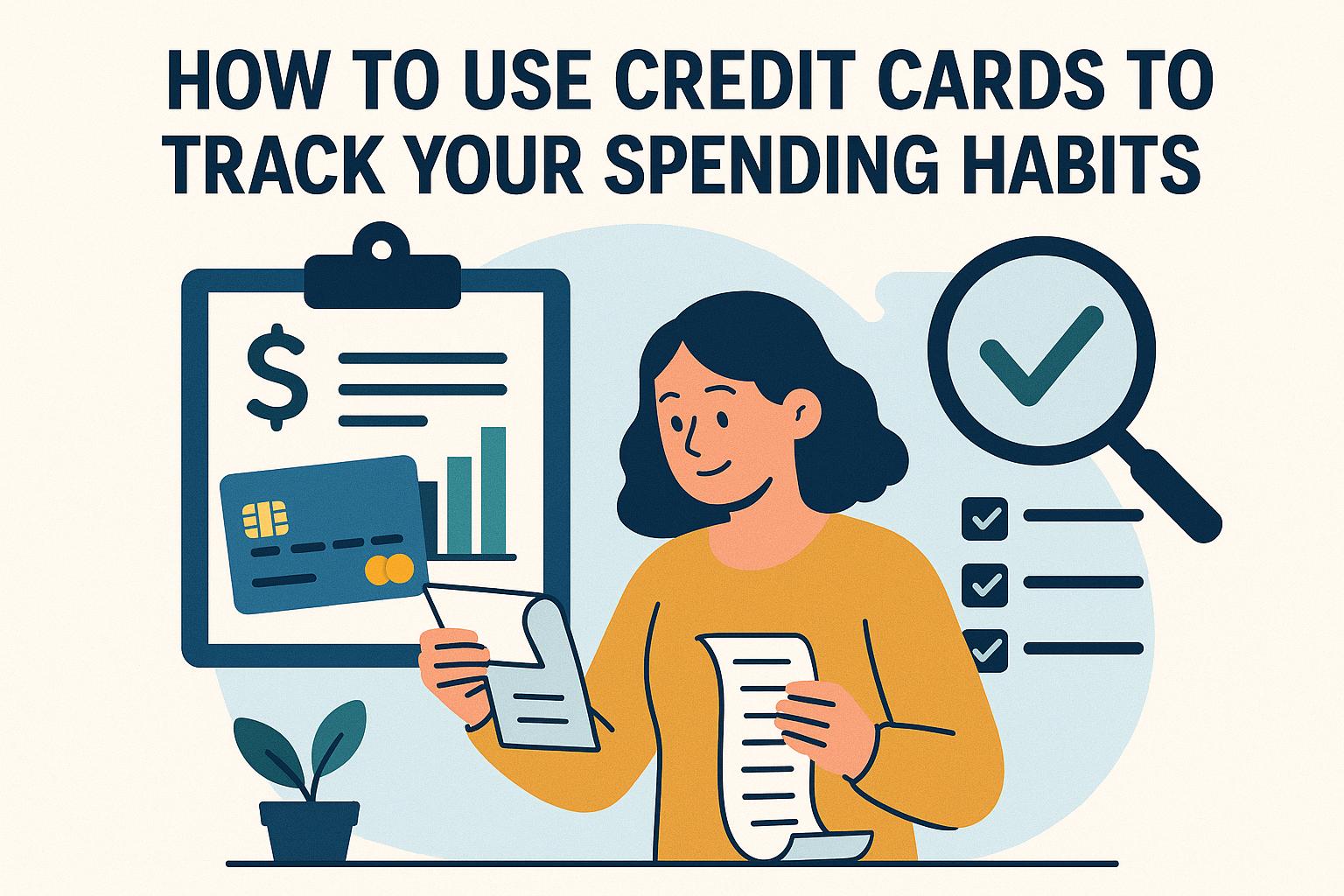
Understanding How Credit Cards Can Help Track Spending
Credit cards are often seen merely as financial tools for purchasing goods and services. However, they can also serve as effective instruments for tracking and managing personal spending habits. Utilizing credit cards in this way involves leveraging their built-in tracking features and external management tools.
The Role of Credit Card Statements
One of the primary benefits of using credit cards is the access they provide to detailed monthly statements. These statements offer a comprehensive breakdown of all transactions made within the billing cycle, presenting an opportunity to analyze spending patterns. Modern credit card providers often categorize these transactions by type—such as groceries, dining, and entertainment—making it easier to evaluate where your money goes each month.
By offering a categorized view of your spending, credit card statements act as a financial mirror, reflecting where you allocate your resources. This categorization not only simplifies understanding but also assists in detecting anomalies or unusual expenditures that might otherwise go unnoticed. The ability to review these transactions frequently aids in identifying habitual spending patterns, which can be instrumental in budgeting more effectively.
Utilizing Digital Banking Apps
Most credit card issuers offer dedicated mobile apps or online platforms that give users real-time access to their accounts. These platforms often come equipped with features that allow users to sort, filter, and analyze their spending by date or category. This can be a powerful tool for identifying trends and making informed decisions about future expenditures.
Digital banking applications offer unparalleled convenience as they allow all credit card-related activities to be handled on the go. Whether it’s monitoring your current balance, pending transactions, or available credit, these apps provide a snapshot of your financial activity. In addition, the inclusion of visual aids such as charts and graphs helps in better understanding spending habits. Such real-time data visualization fosters proactive financial planning and encourages more informed decision-making processes.
Setting Up Notifications for Better Oversight
Many credit card companies offer the option to set up alerts for spending limits, payment due dates, and unusual activity. By enabling transaction alerts and balance notifications, cardholders can receive real-time updates via email or SMS. This immediate feedback facilitates better financial control and helps prevent overspending.
Notifications act as an important intervention tool to maintain disciplined spending habits. They serve as reminders not only for upcoming payments but also help in immediately addressing unauthorized transactions. These timely alerts can play a pivotal role in avoiding late fees, interest charges, and other associated penalties. Additionally, being alert to any unusual account activity offers a layer of protection against potential fraudulent activities, thereby securing your financial information.
Leveraging Budgeting Tools and Software
There are numerous external budgeting applications available that integrate with credit card accounts to provide enhanced spending insights. These platforms, such as Mint or YNAB (You Need A Budget), can automatically categorize expenses, create visualizations, and even generate reports based on the user’s spending data.
Incorporating these budgeting tools into your financial strategy can extend the utility of credit card tracking by harnessing the power of automation. These applications can track spending trends over time, provide insights into specific expenditure areas, and even recommend adjustments to better align with financial goals. In turn, this creates a holistic financial overview, aiding users in making data-driven choices about saving and investing, ultimately optimizing their financial health.
Building Healthy Spending Habits
Incorporating credit card tracking into your financial routine can aid in building healthier spending habits. By becoming more aware of your expenditures, you can set realistic budgets, identify areas of excessive spending, and work towards meeting savings goals. Over time, this increased awareness can lead to more thoughtful consumption and improved financial wellbeing.
A critical component of cultivating healthy spending habits is self-awareness. Credit cards serve as an accountability partner in this journey by providing clear records of financial activity. Regularly reviewing and reflecting on these records can encourage individuals to reevaluate their financial priorities, cut down on non-essential expenses, and allocate more funds towards essential goals like savings, investments, or debt reduction. This ongoing self-assessment can effectively transform one’s financial relationship from a reactive approach to a proactive strategy.
Conclusion
Using credit cards to track spending habits provides a structured and data-driven approach to personal finance management. With the aid of credit card statements, digital banking tools, notifications, and additional budgeting applications, individuals can gain clearer insights into their financial behavior, enabling them to make better financial decisions.
The multifaceted benefits of credit card tracking are not limited to mere awareness. The systematic documentation of expenses enables users to take charge of their finances with confidence and precision. Coupled with external tools and regular notifications, credit card tracking can significantly mitigate financial anxiety and foster a more secure financial future. Ultimately, by effectively monitoring and analyzing spending, individuals can achieve greater financial control and work towards long-term financial goals, transforming credit cards from simple transactional tools into gateway instruments for comprehensive financial empowerment.