Understanding Late Payment Fees
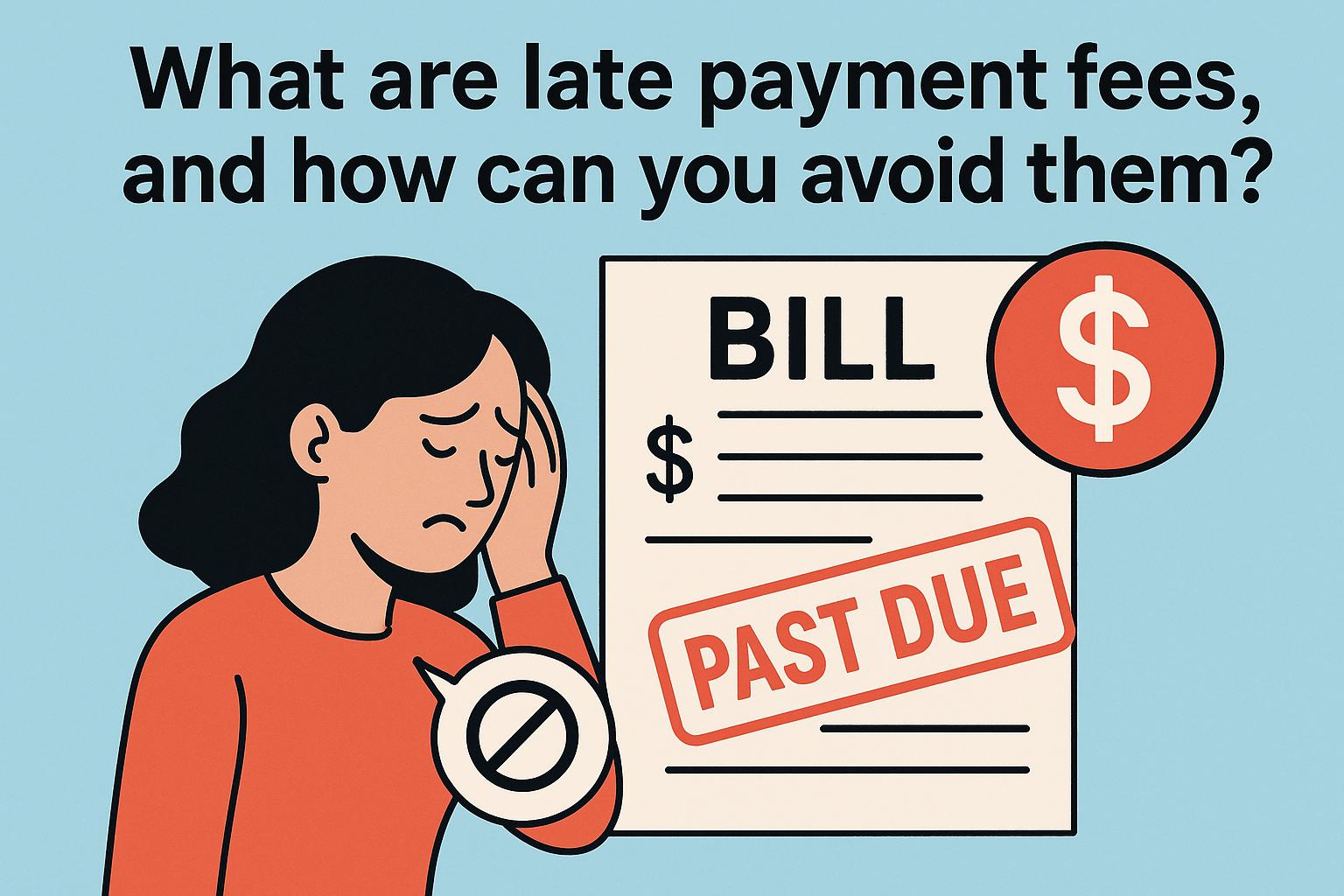
Late payment fees are charges that creditors or service providers impose when a payment is not made by its designated due date. These fees are intended as both a financial penalty and a deterrent, aiming to encourage on-time payments while compensating the issuer for the inconvenience of handling delayed payments. Given their potential to impose a financial burden, understanding the intricacies of late payment fees is crucial for effectively managing one’s finances.
Common Circumstances Leading to Late Payment Fees
Late payment fees can arise under numerous circumstances, often detailed within the terms and conditions of service or credit agreements. Familiarity with these agreements is important, as they outline the penalties associated with missed due dates.
Credit Card Accounts
Credit card issuers implement late fees when the minimum payment isn’t received by the deadline set each month. Beyond merely incurring an additional charge, consistently late payments can elevate the interest rates on your credit card, potentially increasing the overall cost of borrowing. It’s worth noting that frequent tardiness might also affect your credit history, as issuers report payment behaviors to credit bureaus.
Utility Bills
Services billed on a monthly basis, like electricity, gas, or water, can incur late fees if payments are delayed. These fees can accumulate if the situation persists, leading to an increased financial burden over time. Service providers might add these charges directly to future bills, exacerbating financial strain if not immediately addressed.
Loan Payments
Mortgages, car loans, and personal loans are further avenues where late payment fees might be applied. The penalties are usually predetermined in the loan contract, underscoring the importance of adhering to payment schedules. Continuous delays can significantly impact one’s credit score, as payment history comprises a substantial portion of credit evaluations by financial institutions.
Ways to Avoid Late Payment Fees
To significantly reduce the risk of incurring late payment fees, individuals can adopt proactive strategies that foster timely payments. Below are several methods to help maintain financial discipline.
Set Up Automatic Payments
Automating payments is a straightforward way to ensure that deadlines are consistently met. Most banks and credit entities enable customers to schedule recurring payments via online platforms, directly debiting the required amount from your account. This process minimizes manual intervention, relieving the stress associated with remembering due dates.
Utilize Payment Reminders
Utilizing digital and physical reminders can assist in keeping payment deadlines at the forefront of your financial planning. Various financial applications and calendar tools feature notification capabilities, alerting you to impending payment obligations well ahead of the due date. This lead time not only helps in preparation but also offers opportunities to address any discrepancies or payment obstacles you might encounter.
Maintain a Payment Schedule
Establishing and adhering to a comprehensive payment schedule is another effective measure. Whether employing a digital spreadsheet or a specialized financial app, tracking all due dates and amounts is essential for preventing oversight. A well-maintained schedule can act as a roadmap for your financial responsibilities, promoting organized and timely payments.
Monitor Your Expenses
Awareness of your monthly expenses is crucial to ensuring that your account consistently has sufficient funds to cover upcoming payments. Regularly reviewing your financial statements not only guards against overdrafts but also identifies potential spending adjustments. Maintaining a clear view of your financial landscape can prevent missed payments and additional charges.
What If You Still Miss a Payment?
In situations where a payment is missed, immediate action is needed. Contact your creditor or service provider without delay to explain the circumstances surrounding the missed payment. Transparency and prompt communication are often appreciated, and some providers might demonstrate leniency by waiving the late fee—particularly for first-time offenses or genuine cases of hardship. Proactive engagement could prevent further financial complications or damage to your credit score.
In conclusion, understanding late payment fees and the strategies to circumvent them is fundamental to safeguarding one’s financial health and credit reputation. By adopting a disciplined approach and leveraging available resources, individuals can mitigate the risks associated with delayed payments. For individuals seeking more comprehensive financial advice, consulting with financial professionals or referring to trusted finance-focused websites might provide additional insights tailored to personal circumstances.