Understanding Cashback Credit Cards
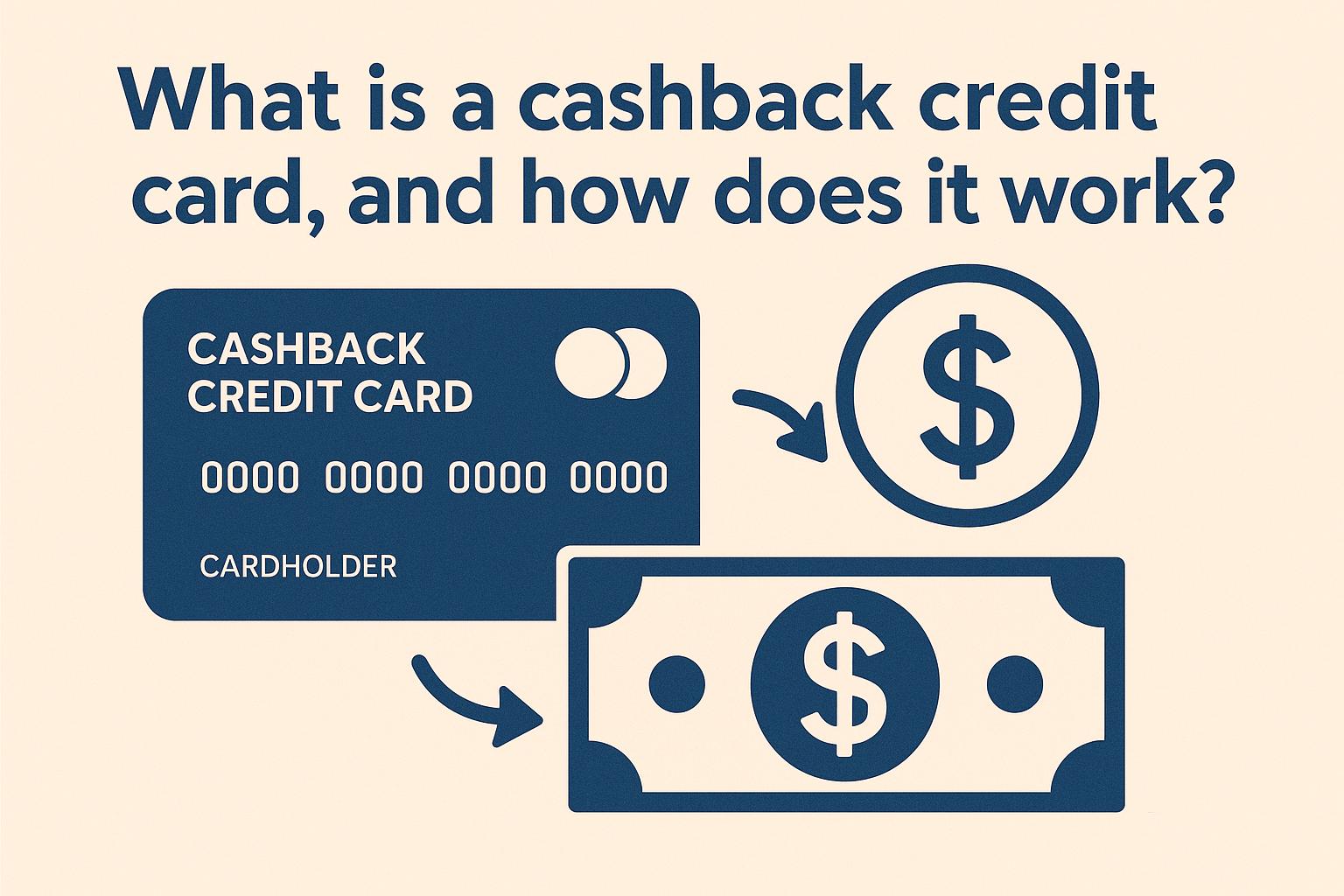
A cashback credit card is a unique financial tool that offers cardholders monetary rewards based on their spending habits. By understanding how these cards work, you can make informed decisions that optimize your earning potential and align with your financial objectives. These rewards come back to you as a percentage of each purchase you make, effectively reducing your costs over time. By using this rewarded cash, you could either reduce your credit card balance or transfer it to a savings account.
How Cashback Credit Cards Work
The fundamental principle of a cashback credit card involves earning a certain percentage of your expenditures back as cash rewards. Each transaction adds to your cashback, which you can accumulate over time. Based on the cardholder agreement, the percentage of cashback may vary. For instance, certain cards might reward you more for purchases in categories like groceries, dining, and fuel. It’s important to recognize these categories as they can significantly influence the amount of cashback you earn.
Example: If you own a cashback credit card that offers 2% back on grocery expenses and you spend $200, you’ll receive $4 back as cashback. This simple transaction shows how your regular purchases can turn into savings over time.
Types of Cashback Offers
The landscape of cashback offers is diverse, catering to various spending habits and preferences. These offers can be categorized into several types:
Flat-rate cashback: This type of card provides a fixed cashback rate on all purchases. They are highly advantageous for their straightforwardness, offering a consistent cashback percentage regardless of the spending category. They are ideal for those who prefer simplicity and do not wish to track rotating categories or targeted spending specifics.
Tiered cashback: These cards are structured to provide varying cashback percentages based on spending types. For example, you might earn 3% on dining, 2% on groceries, and 1% on other purchases. This structure is appealing for individuals with predictable spending habits in particular categories. By focusing your spending in higher reward categories, you maximize the benefits effectively.
Rotating categories: Some cards are designed to maximize benefits in certain categories that change periodically. Typically updated every quarter, cardholders must actively enroll or opt-in for these categories to receive the heightened cashback. This option is beneficial for those who enjoy optimizing their spending and adapting to seasonal promotions to earn more.
Redeeming Cashback
Once you have accrued cashback, the next step is redemption. While the process may vary from card to card, it usually includes several common redemption methods:
– Statement credits: This option allows you to apply your cashback earnings directly to your credit card balance, effectively lowering your outstanding bill.
– Direct deposits: You can choose to transfer the cashback amount to your bank account, making it readily available for other financial needs.
– Cheques: Some card providers offer the option to have a cheque mailed to you, representing another accessible way to utilize your cashback.
– Gift cards or merchandise: In certain scenarios, you may redeem cashback for gift cards or select products offered by the credit card company.
Familiarizing yourself with your credit card’s redemption policies is essential, as minimum redemption thresholds or specific conditions might apply. This understanding ensures you extract the maximum value from your earnable cashback.
Benefits and Considerations
The utilization of a cashback credit card can bring several advantages. Foremost, cardholders gain the opportunity to earn a percentage back on daily expenses, effectively reducing overall costs. This accumulated cashback could translate into significant savings and better resource allocation over time. Moreover, they provide the satisfaction of redeeming financial rewards that can bolster savings or enable various purchases.
However, obtaining a cashback credit card involves certain considerations. For instance, it’s essential to analyze the card’s annual fees and interest rates to ensure the rewards outweigh any potential costs. Additionally, be aware of any spending limits imposed on cashback rewards, which could cap your potential earnings. These factors might influence the overall value and benefit derived from using the cashback credit card.
To make an informed choice, assess your individual spending habits and financial goals. Evaluate whether this type of card aligns with your needs, taking into account not only the rewards but also the costs and features. Access to additional resources, such as detailed comparisons and user reviews, can provide insight into available cashback cards and their suitability for your lifestyle.
In conclusion, cashback credit cards offer an appealing approach to earn money on routine expenditures. By selecting the right card and maximizing its offerings, you can enhance your financial strategy while enjoying returns on your regular spending. The dynamic structure of these cards allows for a customizable fit to your purchasing habits, ultimately guiding you towards prudent financial management.