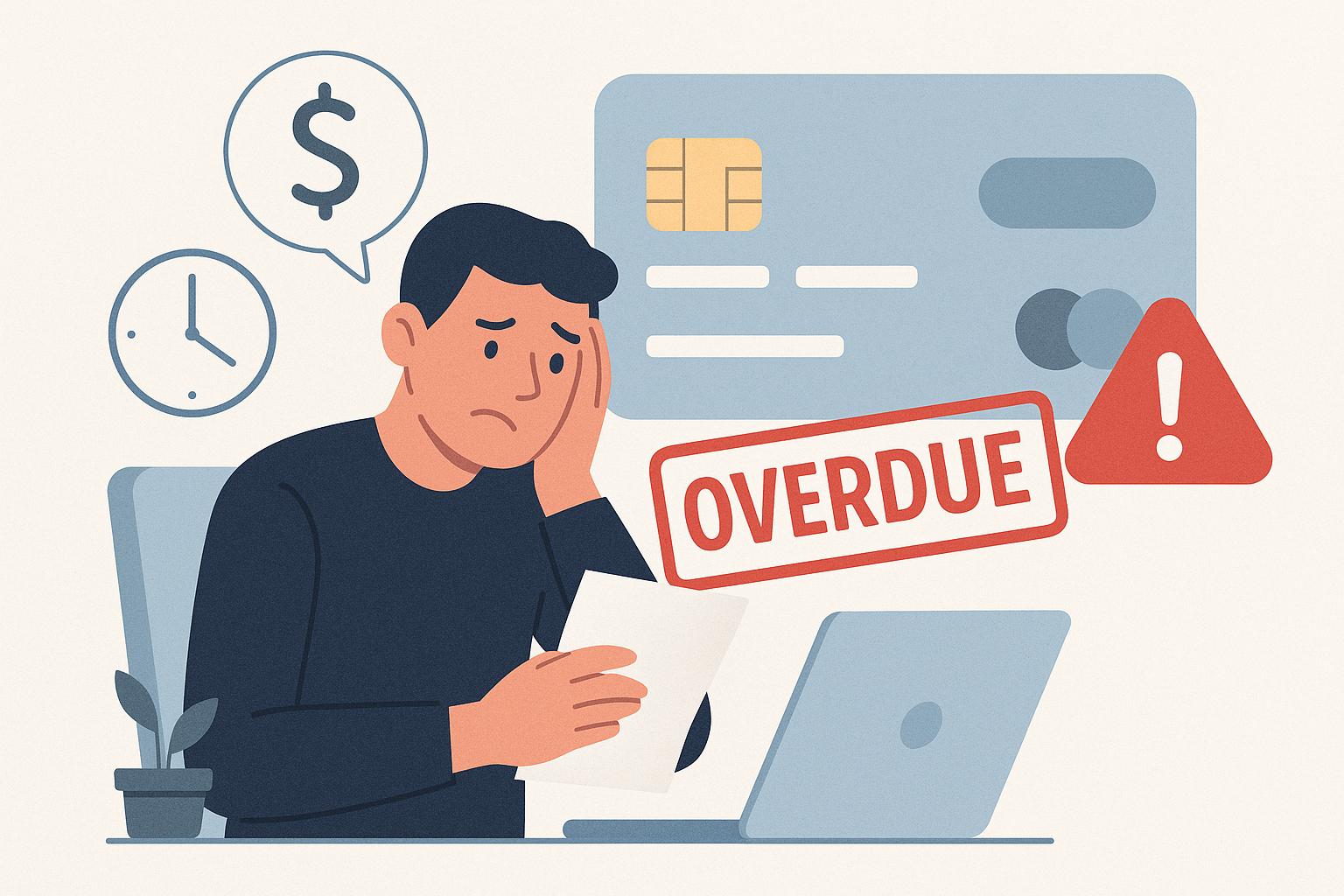
Understanding the Consequences of Missing a Credit Card Payment
When a credit card payment is missed, several consequences can occur, impacting both the cardholder’s financial standing and credit score. It is important to be aware of these potential outcomes to mitigate negative impacts.
Immediate Effects
Late Fees: One of the most immediate consequences of missing a credit card payment is the imposition of a late fee by the credit card issuer. These fees typically range from $25 to $40, although the exact amount can vary depending on the terms and conditions outlined in your credit card agreement. Credit card issuers often have a tiered system for late fees, which means that the amount could increase if subsequent payments are also late or if late payments become a regular occurrence. It’s important to note that chronic late payments may lead to higher fees over time, and staying informed of your specific credit card’s terms regarding late payments can be beneficial in avoiding unnecessary charges.
Interest Rate Increase: Besides late fees, missing a payment can also lead to an increase in the interest rate applied to your credit card balance. This situation is often referred to as the imposition of a penalty APR, which is a higher interest rate that can be triggered by missed payments. This consequence can make carrying a balance significantly more expensive over time, as the accrued interest will be calculated at this higher rate. It’s essential to understand that this increase can be permanent or temporary, depending on the credit card issuer’s policies and whether you return to making on-time payments consistently.
Impact on Credit Score
The implications of missing a credit card payment extend beyond immediate financial costs and can deeply impact your credit score. Credit scores are crucial as they determine your eligibility for future loans, credit cards, and other financial products.
Short-term Effects
Drop in Credit Score: A single missed payment can lead to a noticeable drop in your credit score. The extent of the drop may vary, but it often depends on several factors, such as your overall credit history and current credit score. For instance, individuals with excellent credit scores might experience a more significant drop compared to those with lower scores. This immediate consequence can be damaging especially if you have plans to apply for more credit soon after the missed payment.
Long-term Effects
Negative Mark on Credit Report: When a payment is late by 30 days or more, credit card companies typically report it to the credit bureaus. This negative mark can remain on your credit report for up to seven years. The long-term implication of this is that it can affect your ability to obtain new credit, such as loans or additional credit cards. Lenders may view your credit report and see the history of late payments as a risk indicator, potentially leading to higher interest rates on new credit or adverse decisions regarding credit applications.
Additional Consequences
Loss of Reward Points: Some credit card offers come with attractive reward programs, including points, miles, or cashback earned from spending. However, missing payments can put these rewards at risk. Certain credit card providers may revoke previously earned reward points or miles if payments are missed, diminishing the value you’ve accumulated over time.
Reduced Credit Line: Another consequence that may arise from missed credit card payments is a reduction in your credit limit. Creditors might decide to decrease your credit limit, especially if they perceive a pattern of financial irresponsibility from repeated missed payments. A reduced credit line can impact your credit utilization ratio, which is the amount of credit you’re using compared to your total available credit. A higher credit utilization ratio can negatively affect your credit score.
Steps to Take If You Miss a Payment
If you find yourself in the situation of having missed a credit card payment, there are several steps you can take to mitigate the consequences and improve your financial health moving forward:
1. Contact Your Credit Card Issuer: As soon as you realize a payment has been missed, it’s advisable to reach out to your credit card issuer. They may offer a grace period or even waive the late fee, especially if it’s your first infraction or if you have a history of on-time payments. Creditors are often willing to work with customers to rectify the situation if communication is initiated promptly.
2. Make the Payment Immediately: Prioritize paying the overdue amount as soon as possible. This action can prevent the accumulation of additional fees and interest and may demonstrate to the issuer your commitment to maintaining the account responsibly.
3. Monitor Your Credit Report: After a missed payment, it becomes particularly important to monitor your credit report to see if the late payment has been reported. You are entitled to a free credit report annually from each of the three major credit bureaus. You can visit AnnualCreditReport.com to access your reports and ensure the information is accurate.
4. Set Up Payment Reminders: Consider setting up automatic payments or reminders to avoid missing payments in the future. Many banks and financial institutions offer services that can help you track due dates and ensure funds are available for timely payments.
5. Negotiate Terms: If the late payment is symptomatic of a more extensive financial issue, you may wish to discuss renegotiating terms with your credit card issuer. Some issuers may be willing to work out adjusted payment terms or create a structured payment plan that accommodates your financial situation.
Understanding these consequences and associated remedies can help individuals take proactive steps to manage their credit responsibly. By staying informed regarding the terms of your credit card and adopting strategies to ensure on-time payments, you can maintain a healthy financial profile and improve your creditworthiness over time.