Understanding Secured and Unsecured Credit Cards
Credit cards serve as indispensable financial tools in today’s economy, primarily due to their convenience and the positive influence they can have on building a credit score. These cards, however, are generally divided into two categories: secured and unsecured credit cards. A clear understanding of the distinctions between these two types is vital for making informed and strategic financial decisions.
Secured Credit Cards
What are Secured Credit Cards?
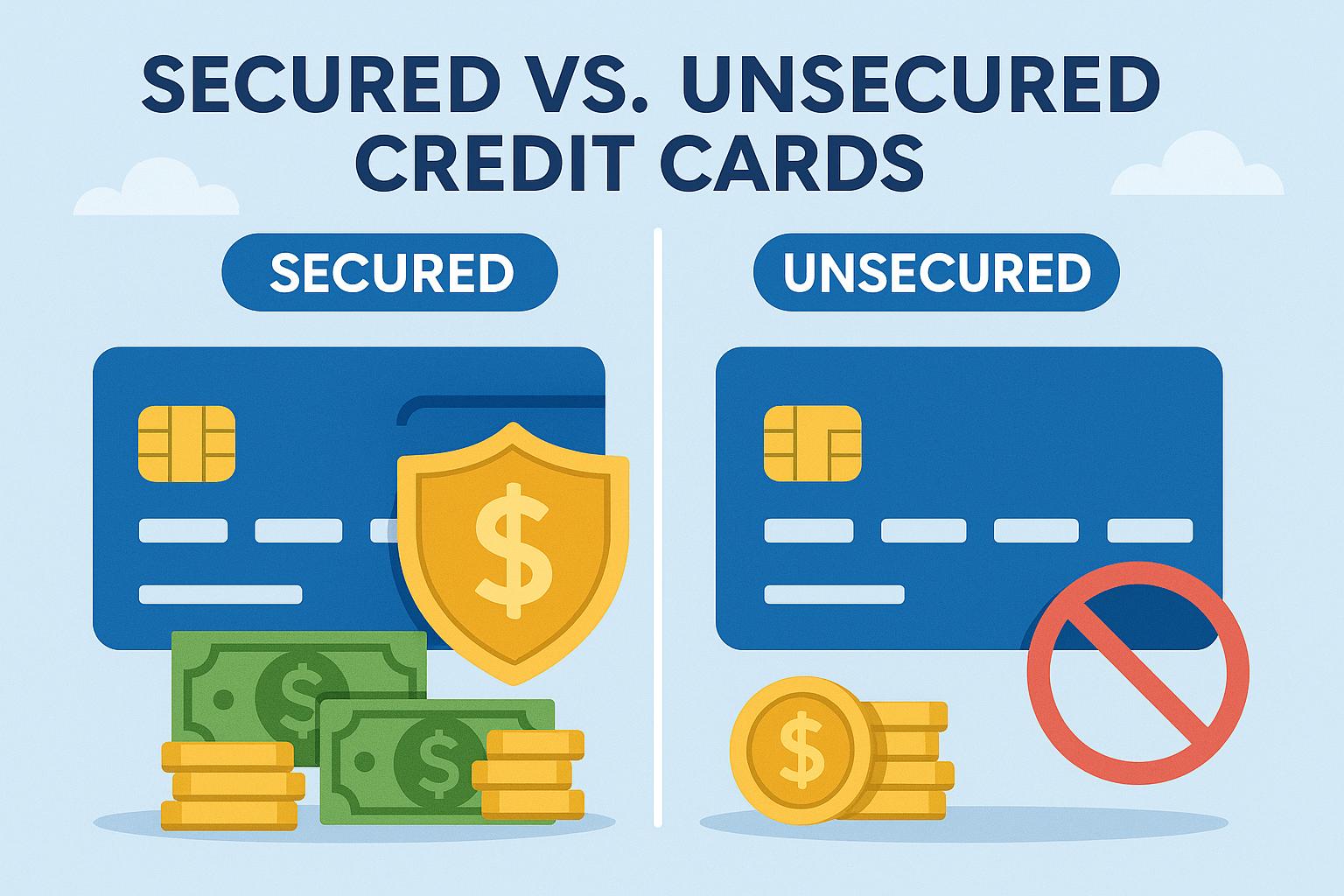
Secured credit cards entail a specific requirement: they necessitate a cash deposit, which is provided as collateral before the card’s issuance. This deposit functions as a security measure, offering a safety net for the card issuer. This setup significantly mitigates the risks that lenders face when extending credit to individuals without sufficient credit history or to those with blemished credit records.
How Secured Credit Cards Work
The deposit tied to a secured credit card generally directly corresponds to the card’s credit limit. This means that should a cardholder fail to make payments, the issuer can utilize the deposit to cover the outstanding balances. For example, if you submit a $500 deposit, then the credit limit on your card will likely match that amount, set at $500. Secured credit cards are particularly attractive to individuals looking to establish or rebuild their credit profile because these policies provide an avenue to demonstrate responsible credit behavior, which can eventually lead to improved credit scores.
Benefits of Secured Credit Cards
Secured credit cards offer unique benefits. They present an opportunity for credit building, enabling users to repair or establish their credit histories. Most financial institutions report the cardholders’ payment activities to major credit bureaus, which is a crucial step in enhancing credit scores. Furthermore, some card issuers allow users to transition from secured to unsecured credit cards after displaying reliable and consistent responsible credit management over a period.
Considerations for Secured Credit Cards
Despite their advantages, secured credit cards often come with higher interest rates and various fees which potential users must be aware of. It’s crucial to peruse the terms and conditions related to these cards in advance to ensure they align with your financial capabilities and goals.
Unsecured Credit Cards
What are Unsecured Credit Cards?
Unsecured credit cards differ from their secured counterparts in that they come with no need for collateral upfront. These are the most prevalent type of credit card and are typically accessible to people with a fair to excellent credit score. The widespread availability of unsecured credit cards makes them a common choice for a large segment of consumers.
How Unsecured Credit Cards Work
The credit limit associated with unsecured credit cards is typically not equivalent to any form of deposit. Instead, the limit is determined based on the cardholder’s creditworthiness. Several factors contribute to the evaluation of creditworthiness, including the individual’s credit score, income levels, and current debt obligations. Unlike secured cards, unsecured credit cards do not require any initial monetary deposit, making them a more straightforward option for consumers who qualify.
Benefits of Unsecured Credit Cards
Unsecured credit cards come with several attractive benefits, notably the ability to earn rewards. Many unsecured cards offer enticing rewards such as cash back on purchases, travel points, or various discounts, depending on card usage. Additionally, these cards generally provide higher credit limits compared to secured cards. This reflects a lender’s confidence in the borrower’s credit management ability and can be advantageous for those who consistently handle credit responsibly.
Considerations for Unsecured Credit Cards
Despite these perks, unsecured credit cards can come with their disadvantages, particularly if the cardholder has a lower credit score. High interest rates and fees can make them costly. To avoid unpleasant surprises, it is vital for users to thoroughly examine the terms and conditions linked to unsecured credit card offers, analyzing the costs against the rewards offered and their own spending habits.
Conclusion
Choosing between secured and unsecured credit cards involves weighing the distinct characteristics, benefits, and potential drawbacks of each type. Secured credit cards are particularly advantageous for individuals seeking to establish or rehabilitate their credit scores. They provide a structured way to prove creditworthiness through responsible usage. On the other hand, unsecured credit cards are generally more suited to individuals who already possess an established credit history and enjoy the privileges of higher credit limits and rewards.
When deciding on a credit card, it’s essential to assess your financial situation and credit goals. Taking the time to understand your priorities will aid in selecting a card that best meets your needs. For comprehensive advice and guidance, consider consulting reputable financial resources or seeking the expertise of a financial advisor. Furthermore, numerous resources such as CreditCards.com provide detailed insights and can serve as useful tools in navigating the complexities of credit card offerings.