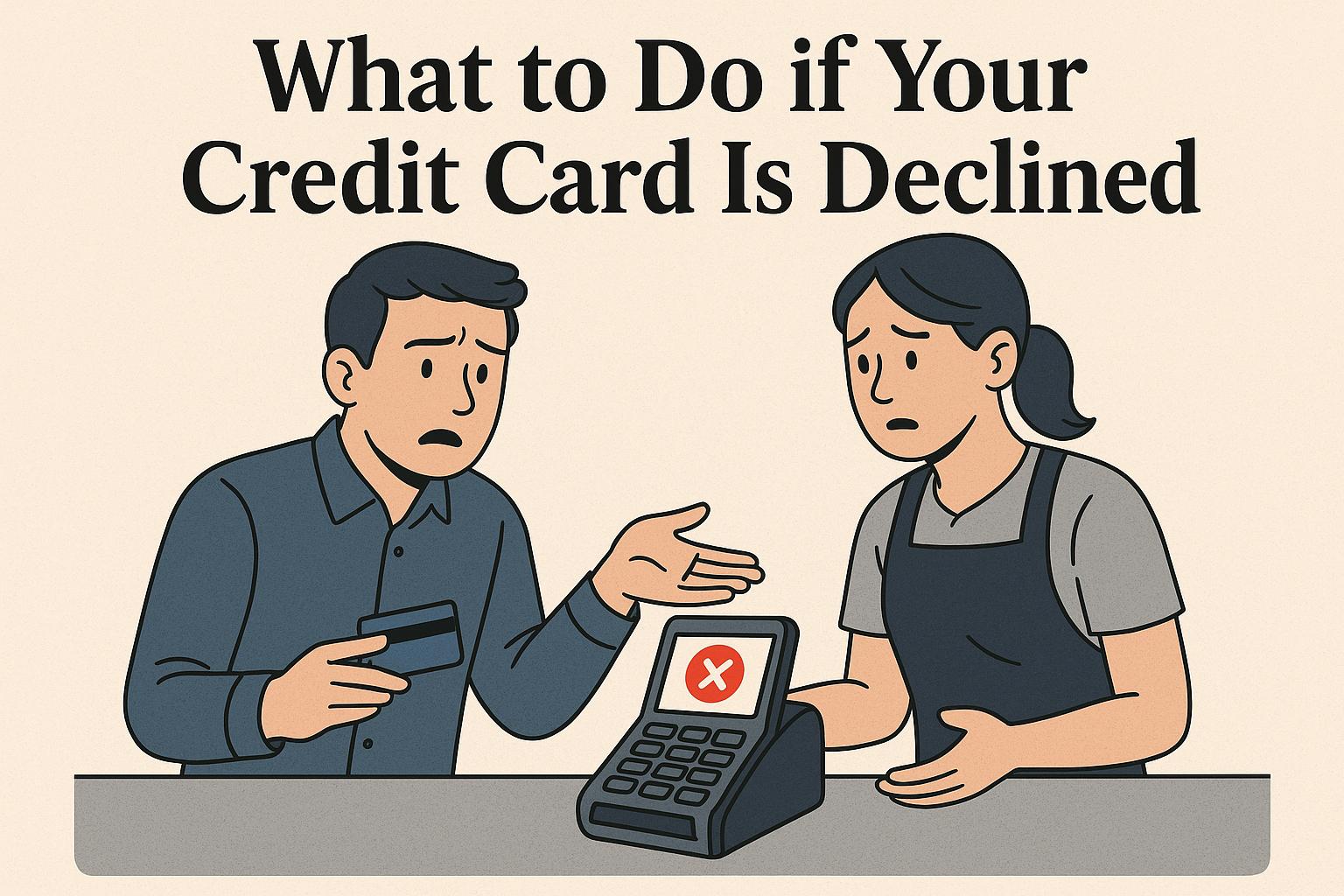
Understanding Why Your Credit Card Was Declined
Encountering a declined credit card can be a frustrating and inconvenient experience. However, understanding the reasons behind the decline can help you address the issue more effectively and prevent future occurrences. Various factors can contribute to a credit card being declined, ranging from issues with the card itself to security measures taken by your bank. Being aware of these reasons and knowing how to handle a declined credit card can reduce disruption to your financial activities.
Common Causes of a Declined Credit Card
Insufficient Funds or Over Limit
One of the most common reasons why a credit card is declined is due to insufficient funds. This occurs when the purchase amount exceeds your available credit limit. Each credit card has a predetermined limit set by the issuer, which indicates the maximum amount you can borrow. To avoid this situation, it’s essential to regularly check your account balance. Most banks offer online portals or mobile apps that allow you to view your current credit limit and available balance. By doing so, you can ensure you have enough credit to cover your purchases.
Expired Card
Credit cards have an expiration date, and using an expired card can result in a declined transaction. Typically, card issuers send out a replacement card before the current one expires. However, it is your responsibility to check the expiration date on your card. If your card is expired, contact your card issuer to request a replacement. This process usually involves verifying some personal details, and your new card should arrive in the mail within a few days.
Incorrect Information
Entering incorrect card information during a transaction can also lead to a decline. This includes typing errors in your card number, expiration date, or CVV code. Double-check the information you enter to ensure its accuracy. It’s easy to make a mistake, especially when entering details quickly or using unfamiliar websites. If you experience repeated issues with specific vendors, consider contacting them directly for clarification on their entry requirements.
Suspicious Activity
Credit card companies are vigilant in protecting your account from fraudulent activities. Unusual transactions, such as large purchases, travel-related expenditures, or foreign transactions, might trigger a security alert and result in a temporary block on your card. These measures are in place to safeguard your account, but they can delay your transactions. When you plan to make significant purchases, travel, or use your card internationally, it’s wise to inform your bank beforehand. This can often be done through bank apps or online platforms, minimizing the chances of your card being incorrectly flagged for fraud.
Steps to Take When Your Card is Declined
Discovering that your card has been declined can be unnerving, but approaching the situation calmly and systematically can help you resolve the issue effectively.
Contact Your Card Issuer
When faced with a decline, your first move should be to contact your card issuer’s customer service. The phone number can be found on the back of your card. The customer service team can provide specific information about why the card was declined and advise you on the next steps to take. Whether it’s a minor error or a more significant issue, they can help troubleshoot and restore your card usage.
Check for Alerts
In many cases, the bank sends alerts via email or text to notify you of a declined transaction. These alerts include information on the reason for the decline and suggested actions. Reviewing any alerts or messages from your bank can give you insight into the problem, allowing you to address it swiftly. Always ensure your contact details are up to date with your bank to receive these prompts without delay.
Use a Backup Payment Method
If resolving the issue takes time or cannot be addressed immediately, using a backup payment method is advisable. Having an additional credit card, debit card, or access to mobile payment services can prevent disruption in your financial transactions. Keeping a secondary payment option readily available ensures you can manage your purchases without any inconvenience.
Preventing Future Declines
While dealing with a declined credit card can be resolved efficiently, taking preventive measures to avoid it in the future is even better.
Monitor Your Account Regularly
Regularly monitoring your account is crucial in maintaining your financial health. By keeping track of your balance, credit limits, and transactions, you can ensure your account remains in good standing and catch any unauthorized activity promptly. Most banks now provide efficient online portals and mobile apps to facilitate easy and effective account monitoring.
Set Up Alerts
Many banks offer alert services that can help manage your finances proactively. Set up alerts for low balances, due payments, and unusual transactions. These alerts can provide timely notifications about your account status, offering a layer of security and enabling you to act swiftly if needed.
Update Your Details
Keeping your contact information current with your card issuer is vital. This includes updating your phone number and email address. Accurate contact details ensure you receive timely updates, alerts, and communications from your bank, minimizing the risk of missed notifications that could lead to card declines.
Communicate Travel Plans
Informing your card issuer of travel plans can help prevent your card from being flagged for unusual activity while you are away. Many issuers allow you to register travel notifications through their apps or websites, ensuring smooth transactions during your travels.
Understanding and managing your credit card effectively requires staying informed and proactive about your account status and transactions. For additional resources on managing your finances and credit, you may explore reputable financial platforms like Investopedia or NerdWallet.