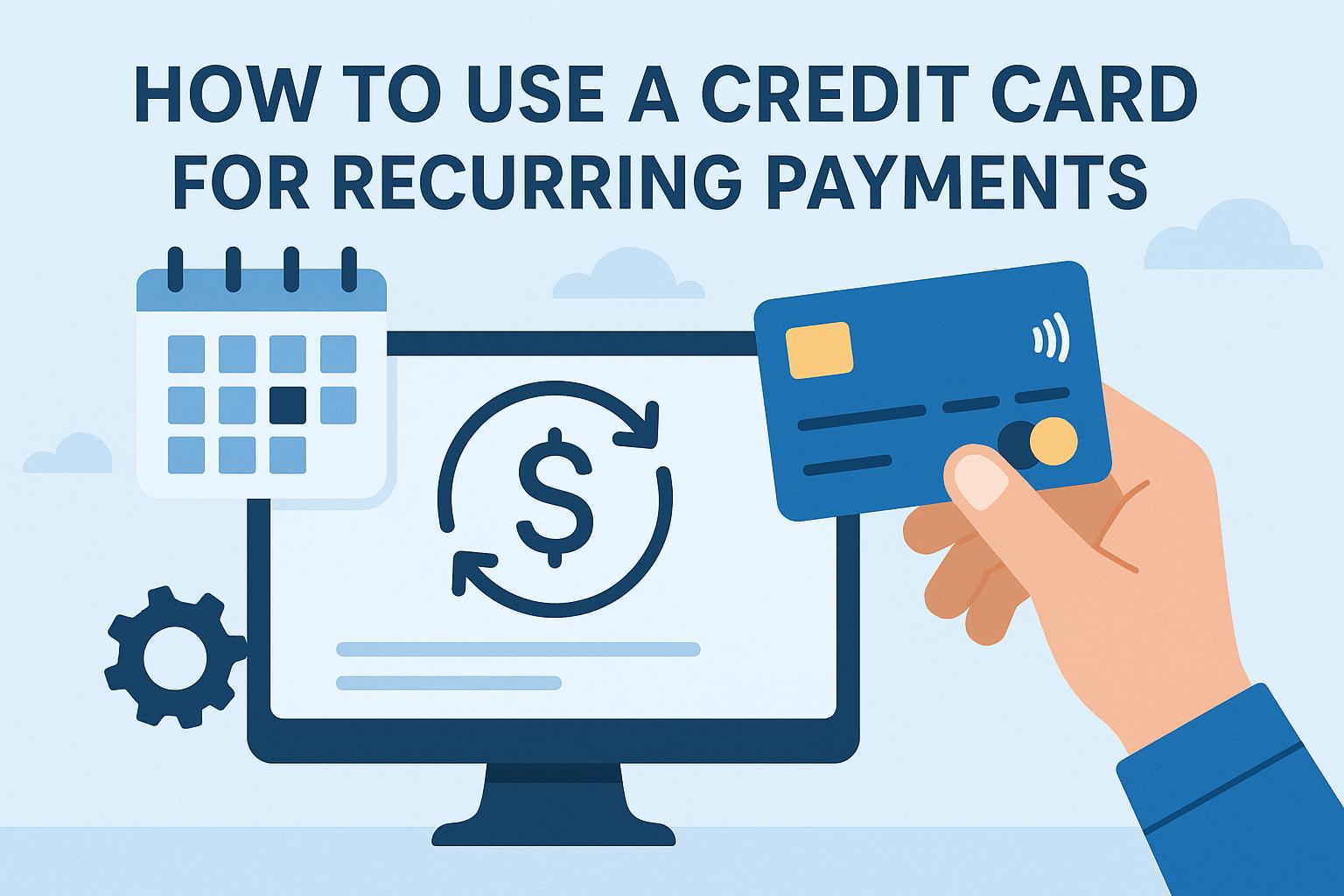
Understanding Recurring Payments
Recurring payments are a significant element of modern financial management, particularly convenient in our fast-paced world. They involve the automatic deduction of funds from a credit card at regular, predefined intervals, generally monthly. This method is prevalent for managing payments related to subscriptions, memberships, or essential services such as utilities. When managed appropriately, these payments can not only simplify the payment process but also support effective personal budgeting strategies.
Choosing the Right Credit Card
Selecting an appropriate credit card is crucial when engaging with recurring payments. A vast array of credit cards exist, each offering distinct advantages tailored to varied spending behaviors. When choosing a card, it is beneficial to assess which one aligns with your spending habits and financial goals. Many credit cards provide added incentives for recurring payments, such as cash back or reward points. These incentives can accumulate over time, providing tangible benefits back to you. Moreover, it is advantageous to choose a card that features a sufficient credit limit. This ensures that you can comfortably manage and cover your monthly charges without risking maxing out your card.
Setting Up Recurring Payments
Embarking on the process of setting up recurring payments with your chosen credit card is straightforward and involves several key steps:
- Initially, get in touch with the service provider to whom you will be making payments. Discuss your intention to charge payments automatically to your credit card.
- Next, you will be required to provide essential credit card details. This typically includes the card number, expiration date, and the CVV (Card Verification Value), which is a security feature for online transactions.
- Lastly, ensure that you clearly understand and verify the payment interval. This involves confirming that the recurring payment schedule aligns with your personal billing cycles, which helps in preventing any unexpected deductions.
Upon approval from the relevant service provider, the organization will then proceed to automatically debit the specified amount from your credit card at the agreed intervals.
Managing and Monitoring Payments
Effective management and diligent monitoring of your recurring payments are essential to maintaining accuracy and avoiding potential pitfalls. Regularly analyzing your credit card statements plays a significant role in this process. Here are several strategies to manage these payments effectively:
- Check Statements: This is a crucial step where you should routinely review your credit card statements. This practice enables you to verify each charge, ensuring that only authorized transactions are being debited and helping to quickly identify any discrepancies.
- Set Alerts: A number of credit card providers offer the useful feature of automated alerts. These alerts can notify you of upcoming payments due or when transactions are completed. This service proves invaluable in tracking your recurring expenses and maintaining an overview of your financial status.
Handling Changes and Cancellations
Occasionally, you might find it necessary to modify or cancel a recurring payment. Addressing these changes requires a structured approach:
- Begin by contacting the relevant service provider. Whether you wish to update your payment information or terminate the service entirely, clear communication with the provider is essential.
- Following this, confirm these changes with your credit card issuer. This step ensures that the automatic payment has been updated or discontinued as per your request. It is vital for maintaining the integrity of your financial records.
As a best practice, it is advisable to document all communications with service providers. Keeping records not only acts as a reference for future inquiries but also can serve as proof in case of any disputes.
Protecting Your Financial Information
The convenience of using a credit card for recurring payments is accompanied by the responsibility of safeguarding your financial details. Employing certain measures can help protect your sensitive information from unauthorized access:
- Monitor Transactions: Regularly check your account activity to ensure that all transactions are authorized. This practice serves as an immediate red flag for any unauthorized or suspicious activity that might occur.
- Use Secure Networks: Conduct any access to your financial data over secure internet connections. This reduces the risk of your information being intercepted by malicious entities online.
Conclusion
Incorporating a credit card into your routine financial management for recurring payments can significantly streamline how you handle your monetary obligations. Not only does this method simplify the logistics of managing payments and interactions with service providers, but it also offers the potential to accrue rewards over time. Ensuring the proper setup of these payments, coupled with consistent monitoring and safeguarding of your financial details, can lead to efficient and worry-free financial management. For more in-depth advice on credit card management and financial planning, consider exploring resources such as NerdWallet or Bankrate.