Understanding Credit Utilization Ratio
The credit utilization ratio is a key component in credit scoring systems, particularly within the frameworks of FICO and VantageScore. It is an essential factor that credit bureaus consider when assessing a consumer’s creditworthiness. In this expanded article, we will delve into the aspects of credit utilization, its implications on your financial health, and comprehensive strategies to manage it effectively.
What is Credit Utilization Ratio?
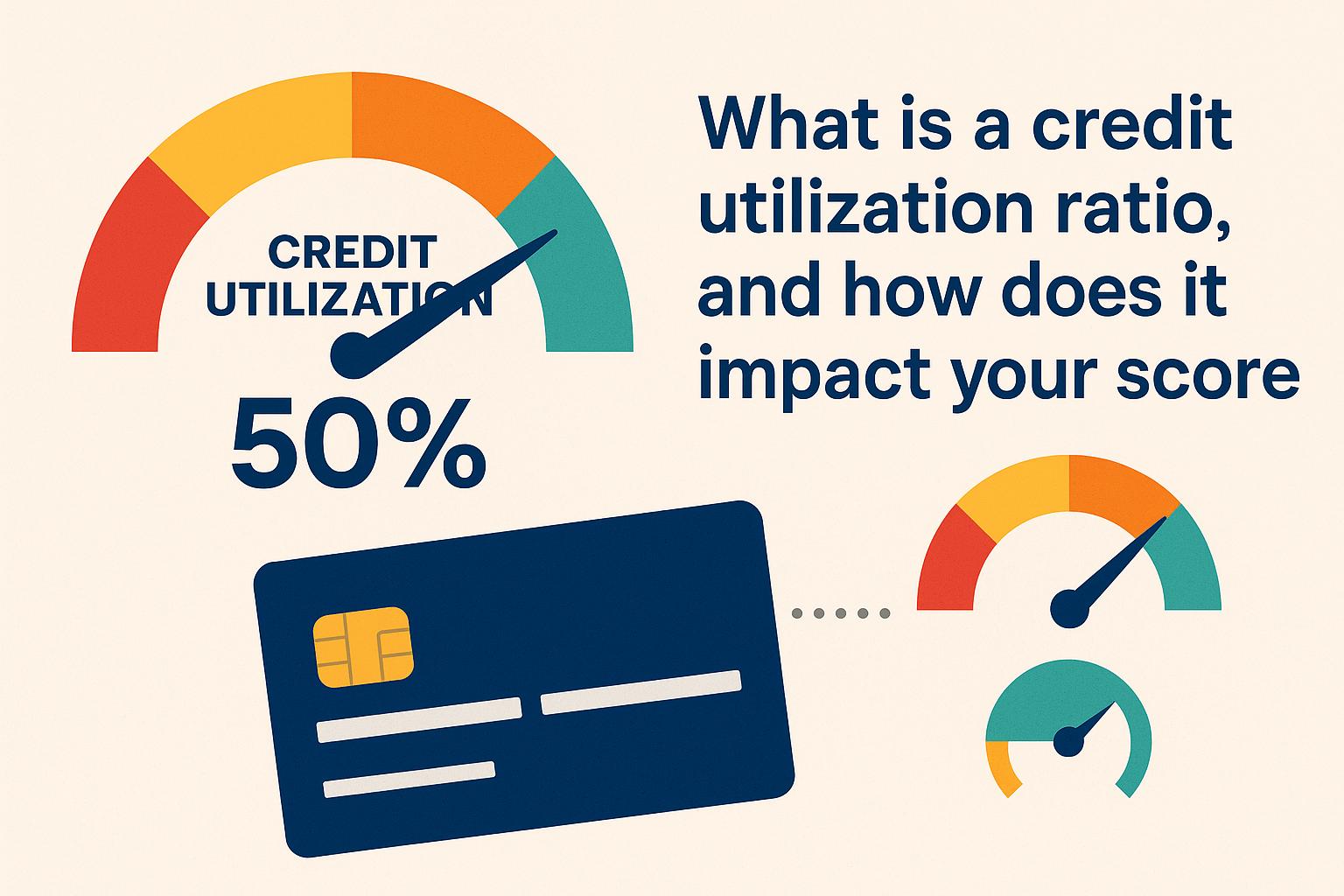
The credit utilization ratio refers to the percentage of your total available credit that is currently being used. To calculate your credit utilization ratio, you divide your total outstanding credit card balances by your total credit limits and then multiply by 100 to express it as a percentage. For example, suppose you hold two credit cards with a combined credit limit of $10,000, and you have utilized $2,500 of that limit. In that case, your credit utilization ratio stands at 25%. This ratio is pivotal because it gives lenders an insight into how much credit you are using relative to how much is available to you.
Understanding how to manage your credit utilization ratio can be a valuable tool in maintaining your financial health. By keeping this ratio in check, you present yourself to potential lenders as a responsible borrower, which can lead to favorable lending terms.
Impact on Credit Score
The credit utilization ratio holds substantial influence in determining your credit score. It is responsible for approximately 30% of your FICO credit score, making it the second most vital factor after your payment history. A high utilization ratio may be interpreted as a sign that you are excessively reliant on credit, which can be seen as a higher risk by lenders. Therefore, keeping your utilization ratio low can enhance your credit score substantially.
Why a Lower Ratio is Preferable
A lower credit utilization ratio is generally seen in a positive light by lenders. It indicates that you are adept at managing your credit and are not utilizing your limits to their maximum. Ideally, financial experts recommend maintaining your ratio below 30% of your total credit limit. The rationale behind this is that a lower percentage suggests financial stability and a lower risk of default, enhancing your appeal as a borrower.
Maintaining a low credit utilization ratio doesn’t just impact credit scores positively but also reflects disciplined financial management. Over-reliance on credit, on the other hand, can signal potential financial instability, discouraging lenders from offering favorable loan terms.
Strategies for Managing Your Credit Utilization Ratio
Managing your credit utilization ratio effectively can have long-term benefits for your credit score and overall financial well-being. Here are a few strategies to maintain an optimal credit utilization ratio:
Pay Down Balances Regularly: One fundamental strategy involves paying off your credit card balances fully each month. This practice keeps your utilization low, thereby promoting a favorable credit score. By consistently minimizing outstanding balances, you demonstrate to lenders your ability to manage credit responsibly.
Increase Your Credit Limit: Another practical approach is to request a credit limit increase from your card issuer or acquire an additional credit account. By increasing your total available credit, your utilization rate decreases, provided your overall spending remains constant. However, it’s crucial to approach this strategy with caution to avoid incurring unmanageable debt.
Avoid Closing Unused Credit Accounts: While it may seem tempting to close old credit accounts, keeping them open can be advantageous. The additional available credit from these unused accounts contributes to a lower utilization ratio, though it is essential to manage these accounts wisely to avoid the temptation of overspending.
Monitoring Your Credit Utilization Ratio
Regularly monitoring your credit utilization ratio is an effective practice to maintain a healthy financial profile. Various financial services platforms provide tools to track your credit utilization, along with offering recommendations for optimizing your credit profiles. Utilizing tools from platforms such as Credit Karma, consumers can gain insight into their credit utilization, adjustments needed, and their impact on the overall credit score.
Staying informed about your credit utilization ratio empowers you to take proactive steps toward improving your financial health. By leveraging available resources and regularly checking your credit, you can ensure that you’re well-positioned to meet your financial goals.
In summary, maintaining a low credit utilization ratio is integral for a good credit score. By being mindful of your credit usage and implementing the strategies mentioned above, you can significantly improve your financial health and standing with lenders. Responsible credit management not only enhances your credit score but also promotes a stable financial lifestyle, enabling you to leverage credit as a tool for future financial endeavors.