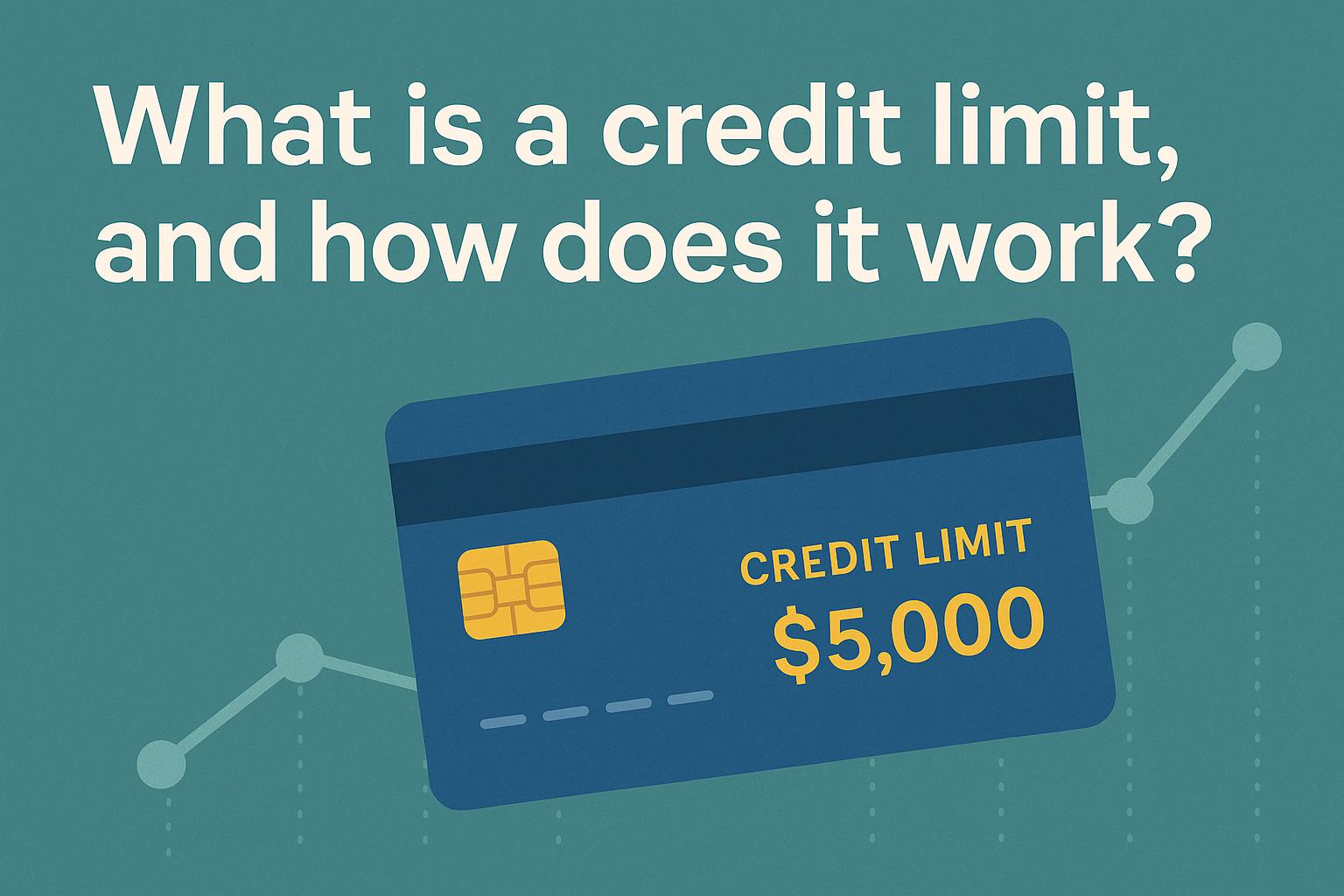
Understanding Credit Limit
A credit limit represents the maximum amount of money a financial institution allows you to borrow on a credit card or a line of credit. It plays a pivotal role in defining your purchasing power and can directly impact the interest you pay, as well as your credit score. Knowing how a credit limit works and how to manage it effectively is crucial for maintaining financial health.
How Credit Limits Are Determined
When you apply for credit, financial institutions assess a range of factors to establish an appropriate credit limit tailored to your financial situation.
Credit Score: One of the primary determinants of your credit limit is your credit score. A higher credit score tends to indicate that you have successfully managed debt in the past, thus suggesting to lenders that you are a lower credit risk. Consequently, those with higher credit scores are often rewarded with higher credit limits.
Income: Your income is another critical factor lenders evaluate. A higher income suggests that you have a greater capacity to repay borrowed funds. By reviewing your income level, lenders gauge your ability to handle additional credit responsibly.
Debt-to-Income Ratio: This ratio is calculated by comparing your monthly debt obligations to your monthly income. A lower debt-to-income ratio typically signifies to lenders that you are not over-leveraged and possess a healthy balance between earnings and debts, often resulting in a more favorable credit limit.
Credit History: The length and history of your credit also play a significant role. A long-standing credit history with timely payments can develop trust with lenders, thereby potentially leading to a higher credit limit. Lenders prefer borrowers who have an established record of managing credit responsibly over time.
Types of Credit Limits
Credit limits can be categorized into two primary types, each functioning differently depending on the type of credit product you are using.
Revolving Credit Limit: This is commonly applicable to credit cards. As you pay back the borrowed funds, the available credit replenishes up to the set limit. This revolving nature provides flexibility, enabling users to make continuous use of the credit as long as they make the required payments.
Non-Revolving Credit Limit: Typically associated with personal loans, non-revolving credit limits do not replenish once the borrowed amount is repaid. When the loan is fully paid off, your access to that particular line of credit ends, thus necessitating a new application if further credit is needed.
Impact of Credit Limit on Credit Score
Your credit limit significantly influences one of the major components of your credit score: the credit utilization ratio. This ratio is calculated by dividing your credit card balances by your credit limit.
A lower credit utilization ratio, often below 30%, reflects positively on your credit score. Lenders and credit scoring models view lower ratios as indicators of effective credit management, suggesting that you are not overly reliant on credit and can manage your available credit wisely without maxing out your limits.
Managing Your Credit Limit
Sound financial health derives largely from being able to manage and optimize your credit limit adequately. Here are some concise guidelines to assist you in managing your credit limit effectively:
– Regular Monitoring: It is prudent to regularly review your credit card statements. Monitoring helps ensure you remain within your credit limit and can swiftly address any discrepancies or signs of fraudulent activity.
– Utilize Credit Wisely: Keeping your credit utilization under 30% can help maintain a favorable credit score. It reflects prudent use of available credit, which positively impacts your reputation with lenders.
– Credit Limit Increase: If your needs demand greater credit flexibility, you might consider requesting a credit limit increase. However, such a step requires careful consideration of your financial capacity to manage additional debt.
Engaging with your lender to renegotiate terms might offer better purchasing options if done responsibly. This measure should align with your income level and financial goals to avoid jeopardizing financial stability.
Comprehending and strategically managing your credit limit is foundational for your financial well-being. It dictates both your spending capabilities and your creditworthiness, since an effectively managed credit limit can reduce costs, improve your credit score, and potentially offer more favorable lending terms. With precise management, you engage in responsible financial practices that enhance your overall financial stature.