Understanding Credit Card Basics
Credit cards have become an integral part of modern financial activity. Before exploring the nuances of using a credit card responsibly, it’s essential to grasp the fundamental aspects of what a credit card entails. Fundamentally, a credit card is a financial instrument that allows individuals to borrow funds from a credit card issuer up to a predetermined limit. This borrowing comes with the expectation of repayment within a specified timeframe. When utilized judiciously, credit cards can help individuals build a positive credit history, enhance credit scores, and even offer enticing benefits like cashback, travel rewards, or other loyalty points.
Know Your Interest Rates and Fees
Upon receiving a credit card, it becomes imperative to thoroughly review the terms and conditions attached to it. Particular attention should be accorded to interest rates and associated fees. The Annual Percentage Rate (APR) represents the interest your card issuer will charge you if you carry a balance from one month to the next, beyond the initial grace period. Additionally, numerous fees could potentially add to your costs, such as late payment fees, fees for foreign transactions, or cash advance fees. It’s paramount to be well-informed about these factors to effectively manage credit card-related expenses.
Credit Limit Awareness
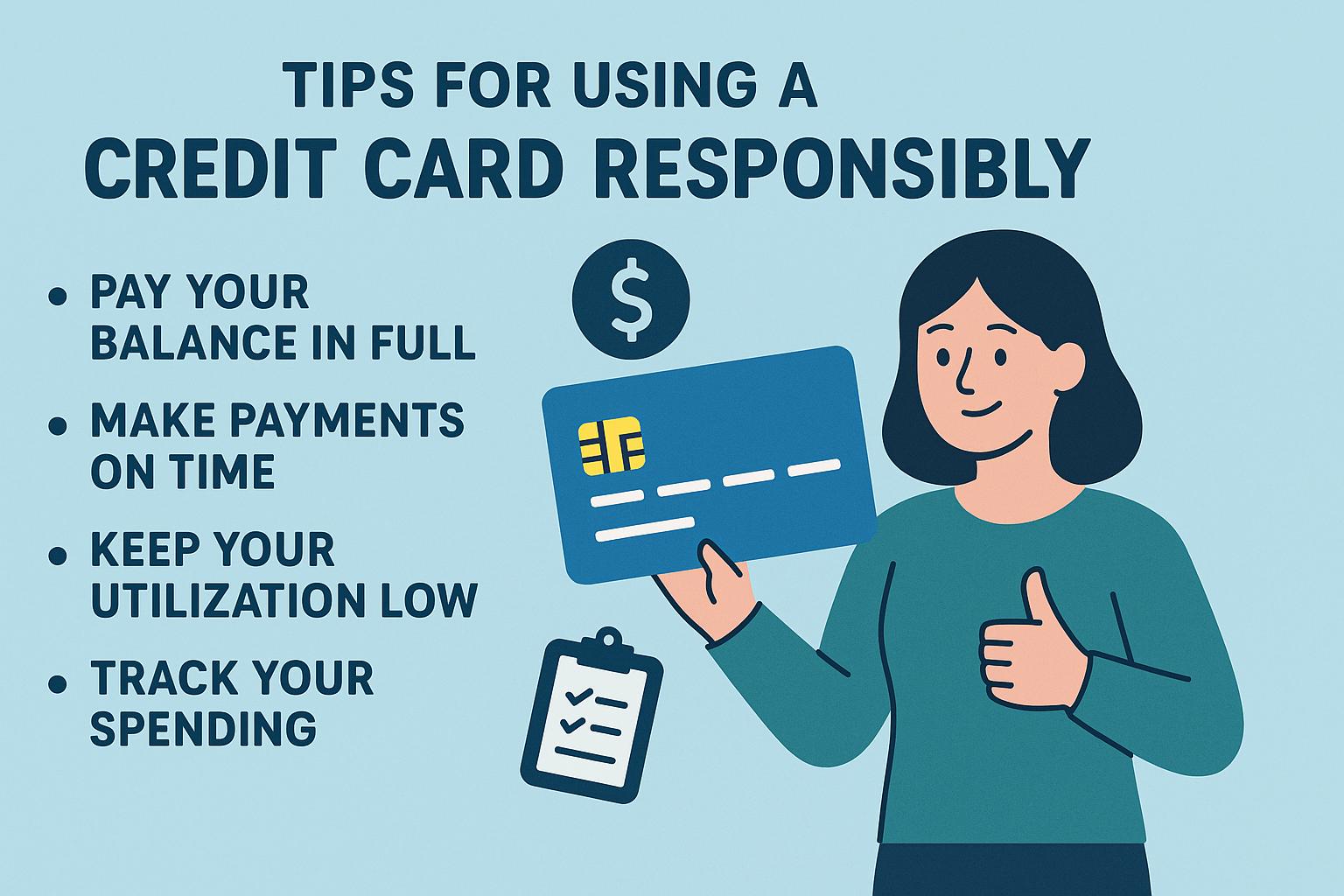
A crucial element of managing a credit card is keeping an eye on your credit limit. This is the maximum amount you’re allowed to borrow using your card. Exceeding this limit can lead to incurring additional fees and might adversely influence your credit score. A recommended strategy is to keep your credit usage below 30% of the available limit. This practice aids in maintaining a healthy credit utilization rate. The Consumer Financial Protection Bureau’s website offers more insights on how credit utilization impacts your credit score and broader credit profile.
Pay Your Balance in Full
Aim to clear your credit card balance entirely every month. By settling your balance in full, you can avoid interest charges. This habit prevents the snowball effect of debt accumulation that often arises from paying only the minimum required amount. Establishing an automatic payment plan through your banking system ensures payment deadlines are not missed, further supporting financial discipline.
Monitor Your Statements
Vigilance in monitoring your credit card statements is crucial. By regularly reviewing your statements, you can quickly spot discrepancies or charges that you do not recognize. Promptly reporting unauthorized transactions often leads to faster resolution, safeguarding your finances. Today, various free tools, such as financial apps, exist to help track spending patterns and send alerts for unusual activities. This regular monitoring aids in maintaining financial health and security.
Leveraging Rewards and Benefits
Credit cards are not only tools for borrowing funds; they often come laden with rewards and benefits appropriate for different consumer spending habits. Making the most of these perks involves aligning them with your own financial objectives to maximize value.
Understand Reward Programs
It is worthwhile to become familiar with your card’s reward structure, which might include earning points, cashback, or frequent flyer miles, among others. By understanding these, you can look for opportunities to garner higher rewards in categories where you frequently incur expenses—areas like groceries, dining out, or perhaps travel. Bankrate provides comprehensive insights on the varying reward programs offered by different financial institutions.
Utilize Built-in Protections
Credit cards often pack in more than just rewards; they provide numerous protections for consumers. These can include extended warranties on products, price protection, or even travel insurance, which can be beneficial if you often travel. These protections act as a shield for your purchases and enhance the value you receive from using the credit card. Confirm with your card issuer to understand the full spectrum of protections available to you, taking full advantage of these benefits.
Stay Informed and Question Terms
Credit card terms and conditions are subject to change, potentially impacting your reward structures or incurring additional fees. Stay informed by regularly reading communications from your credit card issuer, as these will update you on any changes that may affect you. If there are uncertainties or questions, contacting your issuer’s customer service can dispel any confusion and ensure a thorough understanding of your card’s operations.
In conclusion, the critical elements to responsible credit card usage involve a thorough understanding of your card’s stipulations, maintaining low balances, and capitalizing on available rewards and protections. These strategies not only contribute to healthier financial well-being but also leverage credit as a tool for personal financial growth. A well-managed credit card account can provide a multitude of benefits, easing daily transactions, and supporting long-term financial planning. Embrace these strategies to make credit cards a constructive part of your financial toolkit.