What is a cashback credit card, and how does it work

What is a cashback credit card, and how does it work

Understanding Cashback Credit Cards

A cashback credit card is a unique financial tool that offers cardholders monetary rewards based on their spending habits. By understanding how these cards work, you can make informed decisions that optimize your earning potential and align with your financial objectives. These rewards come back to you as a percentage of each purchase you make, effectively reducing your costs over time. By using this rewarded cash, you could either reduce your credit card balance or transfer it to a savings account.

How Cashback Credit Cards Work

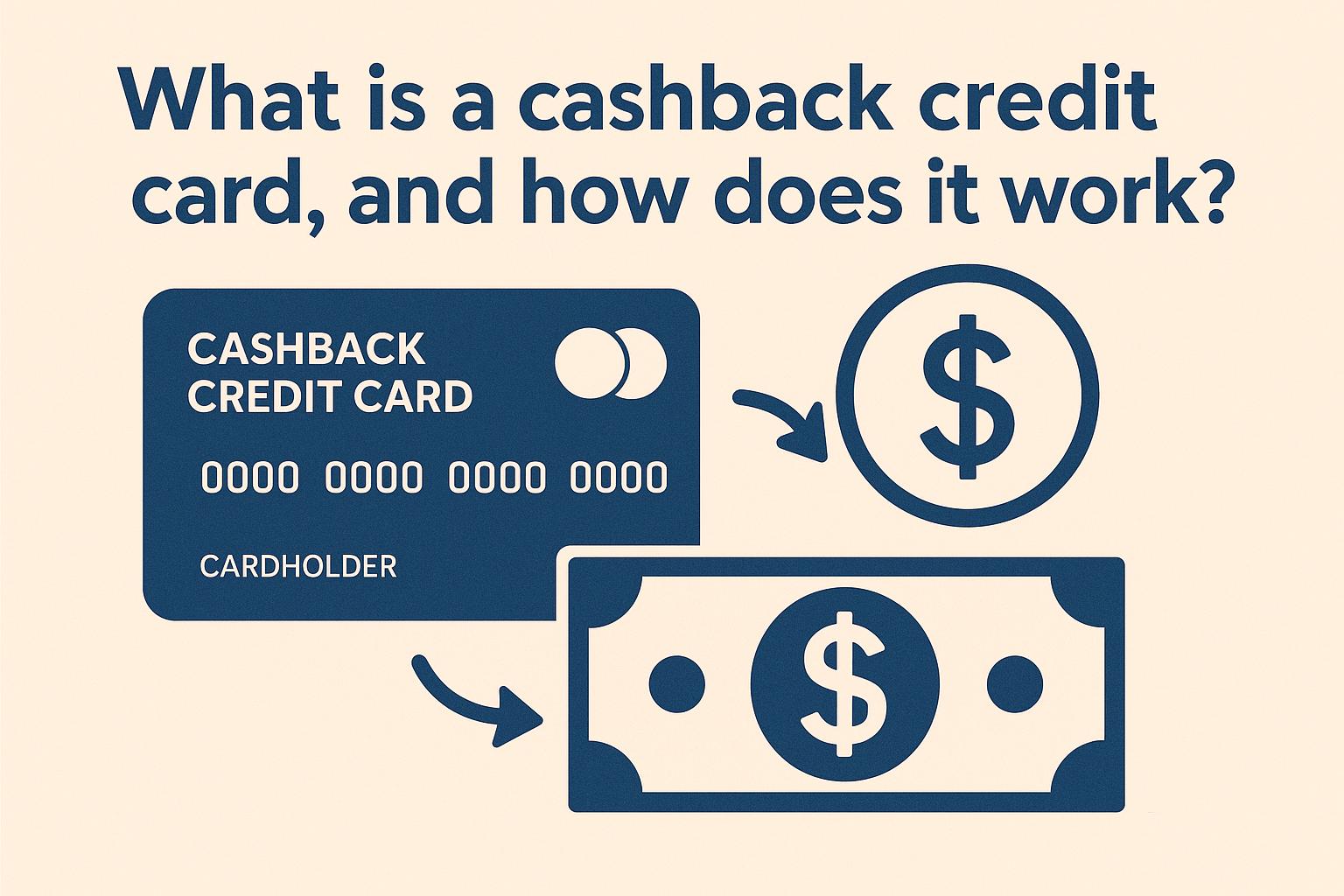
The fundamental principle of a cashback credit card involves earning a certain percentage of your expenditures back as cash rewards. Each transaction adds to your cashback, which you can accumulate over time. Based on the cardholder agreement, the percentage of cashback may vary. For instance, certain cards might reward you more for purchases in categories like groceries, dining, and fuel. It’s important to recognize these categories as they can significantly influence the amount of cashback you earn.

Example: If you own a cashback credit card that offers 2% back on grocery expenses and you spend $200, you’ll receive $4 back as cashback. This simple transaction shows how your regular purchases can turn into savings over time.

Types of Cashback Offers

The landscape of cashback offers is diverse, catering to various spending habits and preferences. These offers can be categorized into several types:

Flat-rate cashback: This type of card provides a fixed cashback rate on all purchases. They are highly advantageous for their straightforwardness, offering a consistent cashback percentage regardless of the spending category. They are ideal for those who prefer simplicity and do not wish to track rotating categories or targeted spending specifics.

Tiered cashback: These cards are structured to provide varying cashback percentages based on spending types. For example, you might earn 3% on dining, 2% on groceries, and 1% on other purchases. This structure is appealing for individuals with predictable spending habits in particular categories. By focusing your spending in higher reward categories, you maximize the benefits effectively.

Rotating categories: Some cards are designed to maximize benefits in certain categories that change periodically. Typically updated every quarter, cardholders must actively enroll or opt-in for these categories to receive the heightened cashback. This option is beneficial for those who enjoy optimizing their spending and adapting to seasonal promotions to earn more.

Redeeming Cashback

Once you have accrued cashback, the next step is redemption. While the process may vary from card to card, it usually includes several common redemption methods:

Statement credits: This option allows you to apply your cashback earnings directly to your credit card balance, effectively lowering your outstanding bill.
Direct deposits: You can choose to transfer the cashback amount to your bank account, making it readily available for other financial needs.
Cheques: Some card providers offer the option to have a cheque mailed to you, representing another accessible way to utilize your cashback.
Gift cards or merchandise: In certain scenarios, you may redeem cashback for gift cards or select products offered by the credit card company.

Familiarizing yourself with your credit card’s redemption policies is essential, as minimum redemption thresholds or specific conditions might apply. This understanding ensures you extract the maximum value from your earnable cashback.

Benefits and Considerations

The utilization of a cashback credit card can bring several advantages. Foremost, cardholders gain the opportunity to earn a percentage back on daily expenses, effectively reducing overall costs. This accumulated cashback could translate into significant savings and better resource allocation over time. Moreover, they provide the satisfaction of redeeming financial rewards that can bolster savings or enable various purchases.

However, obtaining a cashback credit card involves certain considerations. For instance, it’s essential to analyze the card’s annual fees and interest rates to ensure the rewards outweigh any potential costs. Additionally, be aware of any spending limits imposed on cashback rewards, which could cap your potential earnings. These factors might influence the overall value and benefit derived from using the cashback credit card.

To make an informed choice, assess your individual spending habits and financial goals. Evaluate whether this type of card aligns with your needs, taking into account not only the rewards but also the costs and features. Access to additional resources, such as detailed comparisons and user reviews, can provide insight into available cashback cards and their suitability for your lifestyle.

In conclusion, cashback credit cards offer an appealing approach to earn money on routine expenditures. By selecting the right card and maximizing its offerings, you can enhance your financial strategy while enjoying returns on your regular spending. The dynamic structure of these cards allows for a customizable fit to your purchasing habits, ultimately guiding you towards prudent financial management.
How to monitor your credit card statements for accuracy

How to monitor your credit card statements for accuracy

Understanding the Importance of Monitoring Credit Card Statements

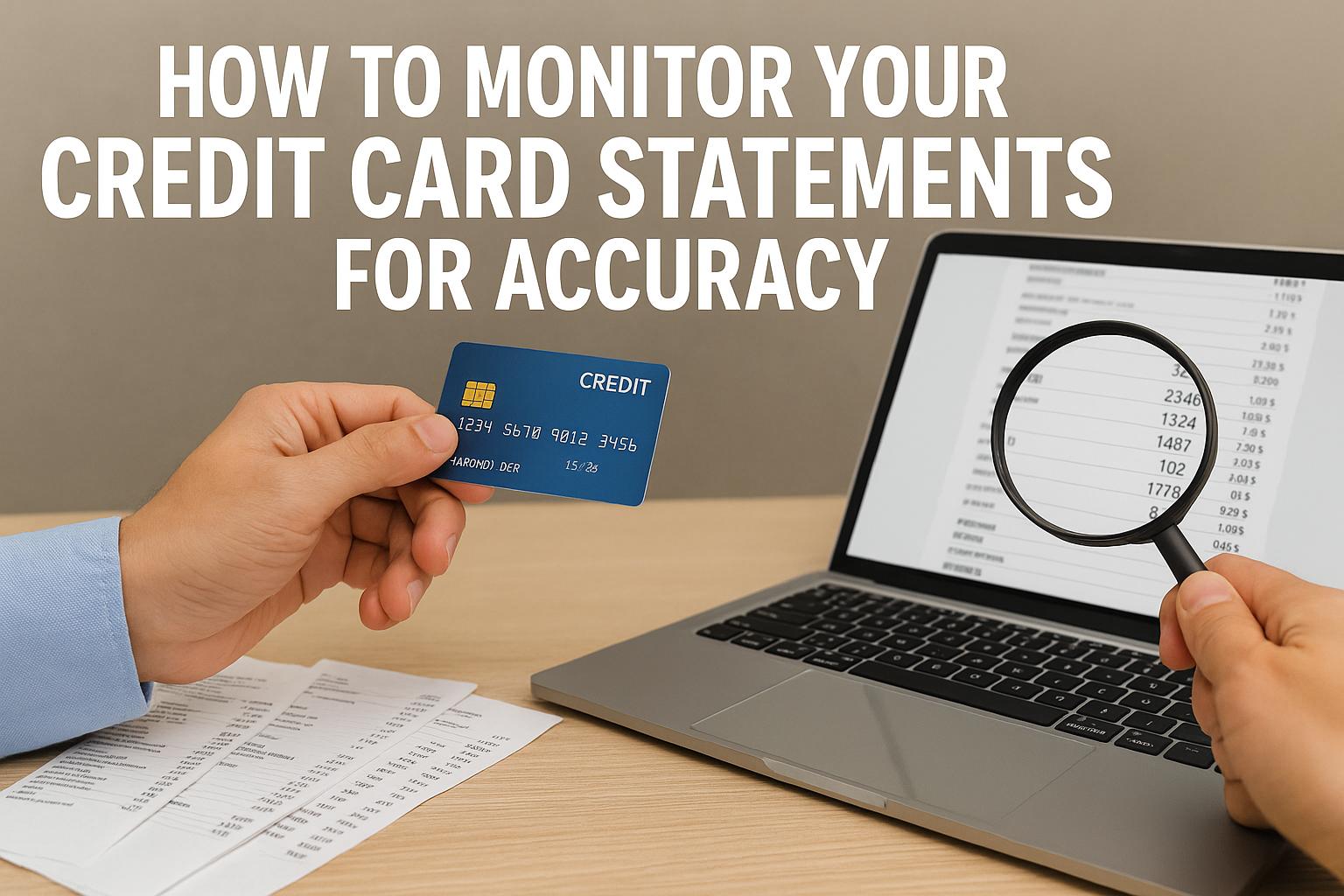
Monitoring your credit card statements is a crucial step in managing your financial health. In an era where digital transactions are ubiquitous, the vigilance in checking your statements regularly is more important than ever. By doing so, you identify any inaccuracies, unauthorized charges, or fraudulent activities, ensuring that your financial information is accurate and secure. Regular reviews of your credit card statements enable you to address issues promptly, potentially saving you both time and money.

The Benefits of Regular Statement Monitoring

When you regularly check your credit card statements, you gain a detailed understanding of your spending patterns. This insight can help you make informed financial decisions, plan budgets more effectively, and keep your spending in check. Moreover, consistently monitoring your statements can alert you to habits that might need adjustment, thus fostering better financial discipline.

Steps to Review Your Credit Card Statement for Accuracy

Checking your credit card statements systematically can help you maintain financial discipline and security. Following these important steps will ensure a thorough review:

Verify Charges Against Receipts

Cross-referencing your credit card charges with receipts collected during the billing cycle is one effective strategy for accuracy. This practice helps in confirming that the charges reflect actual purchases. Maintaining an organized system for your receipts can make this process more efficient. If a discrepancy arises, promptly contact the merchant for resolution. Merchants often have systems in place to address such issues effectively and efficiently.

Scan for Unauthorized Transactions

It is critical to be vigilant about unauthorized transactions. These can range from small to large amounts charged without your consent. Unauthorized transactions can sometimes be signs of broader issues such as identity theft. If you detect unauthorized charges, report them to your credit card issuer as soon as possible. Doing so initiates an investigation and can help to reverse the charges swiftly.

Setting Up Alerts and Notifications

Leveraging technology by using alerts and notifications can greatly aid in monitoring your credit card activity. Staying informed about your transactions in real-time allows for immediate action should anything suspicious occur.

Email and SMS Alerts

Most financial institutions offer email and SMS alerts for every transaction made using your account. Setting up these alerts ensures you are informed about every purchase. This proactive measure enables you to spot any irregularities immediately, providing peace of mind and security. To enable these notifications, contact your bank or check your online banking portal for options. Customizing the alerts to suit your needs can also enhance their effectiveness.

Online Banking Applications

Banks increasingly offer online banking platforms or mobile applications, which have become integral tools for managing finances. Regularly logging into these platforms allows you to review your account activity frequently, often with more recent information than the traditional monthly statements. The availability of real-time data helps you keep better track of spending and catch irregularities promptly.

Understanding Common Errors

Familiarity with common errors can enhance your ability to detect them effectively and address them efficiently. Credit card statements are not immune to errors, which can occur due to several reasons:

Duplicate Charges

On occasion, transactions might appear more than once on your statement. If you notice duplicate charges, it is advisable to double-check with the merchant. Clarifying whether a refund is necessary or if it is merely a temporary hold that will resolve itself is key to addressing this issue swiftly and avoiding undue stress.

Incorrect Amounts

Discrepancies in the amounts billed versus the actual purchase price can occur due to human or system errors. Ensure that each charged amount matches your records. Keeping detailed purchase records will make it easier to verify amounts accurately.

What to Do if You Find an Error

If an error is identified on your statement, taking immediate action is imperative. Contact the customer service department of your credit card issuer. Clearly explaining the issue, along with providing any supporting documentation such as receipts or correspondence with merchants, can facilitate the resolution process.

Thanks to the Fair Credit Billing Act, consumers are protected, allowing for disputes to be filed for inaccuracies in billing. This legal framework not only protects consumers but also ensures that there is a system in place for resolving such disputes fairly and efficiently. Keeping accurate and detailed records of your transactions and communications can greatly strengthen your case if a dispute arises.

For those seeking additional guidance on managing credit card responsibility and understanding the nuances of financial management, numerous resources are available. Consider visiting financial education resources provided by government sites such as the Consumer Financial Protection Bureau or consulting with your card issuer, who often provides educational resources and tips for managing credit wisely.

Conclusion

Monitoring your credit card statements is not just about identifying errors or fraudulent activity; it’s an integral part of maintaining financial health. Being vigilant and proactive in monitoring your credit card statements helps to safeguard your financial interests, avoid potential pitfalls caused by errors or fraud, and gain insights into your spending habits. By embracing technology, understanding common errors, and taking prompt action when needed, you are better equipped to manage your financial life with confidence and control. Through consistent practice and awareness, you can ensure that your credit card usage aligns with your financial goals and secures your financial future.

The role of credit cards in emergency financial planning

The role of credit cards in emergency financial planning

Introduction

In today’s fast-paced financial environment, credit cards have evolved into a crucial component of emergency financial planning for many individuals. Their accessibility, ease of use, and global acceptance make them an appealing choice when facing sudden and unexpected expenses. In this article, we will delve into the benefits and considerations associated with incorporating credit cards into your emergency financial strategy.

The Role of Credit Cards

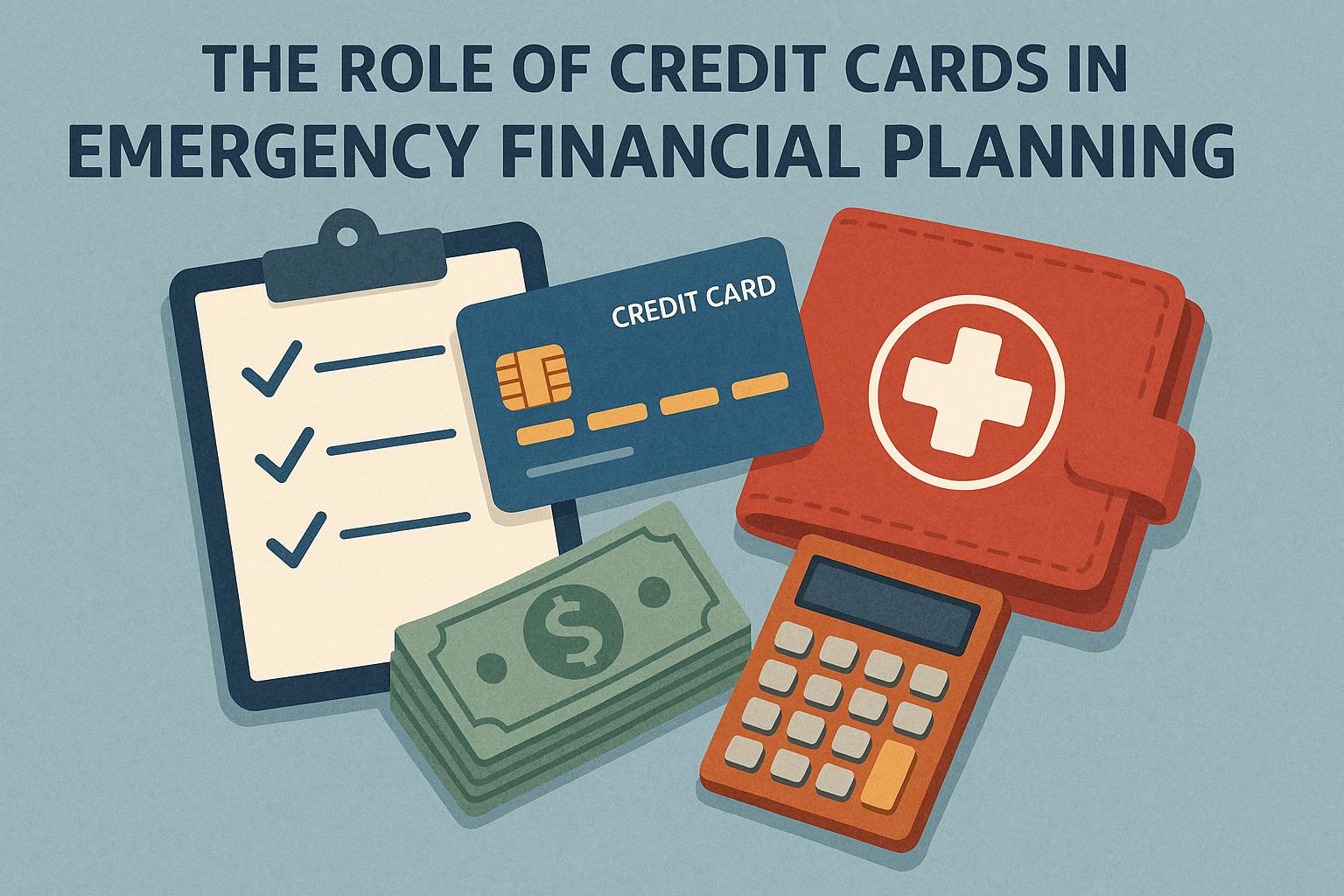
Credit cards serve as a convenient mechanism for managing unforeseen expenses. Beyond being merely a payment instrument, they can function as short-term financing bridges until you can secure other funds. This functionality becomes particularly vital during emergencies, where immediate liquidity might be needed. Examples include medical emergencies, sudden car repairs, or urgent home maintenance tasks that cannot be delayed.

Convenience and Accessibility

One of the primary advantages of using credit cards in emergencies is their convenience and accessibility. With a credit card, funds are instantly available, eliminating the need to physically withdraw money from a bank or conduct a transfer from your savings account. Moreover, their widespread acceptance across numerous merchants and service providers means that virtually any service can be rendered, and goods can be purchased, with a simple swipe or tap of the card.

Credit cards bring a level of ease that cash or checks cannot match, especially in global or unfamiliar locations. Whether you’re on a business trip or a vacation in another country, having a credit card ensures that you have purchasing power and the ability to manage any emergencies that might arise.

Interest and Fees

While the immediate availability of funds is a distinct advantage, using credit cards does come with inherent costs. Interest rates and annual fees are two such costs that can accumulate over time, particularly if you are unable to make payments promptly. Understanding the terms of your credit card agreement is essential, as it helps you stay informed about any potential fees or penalties that may apply. This knowledge is critical for preventing additional financial burdens when relying on credit cards for emergency situations.

Regular evaluation of the interest rates and fee structures of your credit cards will ensure that you are not overextending financially and that your cards remain a viable option for emergencies.

Credit Limits

Another critical consideration in emergency financial planning is the credit limit on your cards. Credit cards provide a quick access point to funds; however, they do come with usage boundaries. Being aware of your card’s credit limit is crucial as it enables you to estimate how much you can realistically rely on it during an emergency. Prioritizing cards with higher credit limits or maintaining multiple cards can be beneficial, as this can deliver an expanded safety net to cover extensive or unexpected expenses.

Anticipating potential costs and understanding your credit limit also enables you to manage your emergency spending more effectively, preventing the risk of maxing out the card or having transactions declined due to insufficient available credit.

Building and Maintaining Good Credit

Leveraging credit cards wisely, particularly in emergencies, can significantly benefit your credit score. Consistent, timely payments contribute to building a solid credit history, which opens up pathways for future financial opportunities such as applying for loans or additional lines of credit. A positive credit history enhances your eligibility for competitive interest rates and access to a variety of financial products.

Maintaining a good credit score is advantageous not just for borrowing purposes, but also for negotiating better terms on insurance or even securing rental agreements. Hence, using credit cards responsibly during emergencies not only solves immediate problems but also paves the way for long-term financial stability.

Guidelines for Using Credit Cards in Emergencies

To effectively integrate credit cards into your emergency financial planning, consider adhering to the following guidelines:

Prioritize essential expenses: Reserve the use of credit cards for genuine emergencies, and prioritize spending on necessities. This focus ensures that the credit available is being utilized for urgent needs rather than discretionary purchases.

Pay off balances promptly: Strive to pay off the balance as soon as possible. This practice helps avoid accruing high-interest charges, which can compound over time and significantly inflate the total amount owed.

Regularly review terms: Make it a habit to periodically examine your credit card plan to ensure it continues to align with your financial goals and offers favorable terms. Staying informed about changes or new offers can help optimize your credit card strategy.

Conclusion

In summation, credit cards are an integral component of emergency financial planning, providing swift access to necessary funds when they are most needed. With strategic use and mindfulness of the associated costs, credit cards can serve as a reliable resource during times of unforeseen need. Responsible handling of credit cards not only immediately benefits the situation at hand but also contributes positively to maintaining a healthy financial profile for future endeavors. For further guidance on credit card management and effective financial planning, visit this resource.

How to negotiate lower interest rates with your credit card issuer

How to negotiate lower interest rates with your credit card issuer

Understanding Your Interest Rate

Before you start a conversation with your credit card issuer, it is vital to comprehend your current interest rates, which are a key aspect of your financial obligations. This data is typically accessible on your most recent credit card statement or via your online account. Knowing your annual percentage rate (APR), along with any recent changes, equips you with a solid foundation for negotiation. Your APR determines how much interest you have to pay if you carry a balance on your credit card month to month.

Understanding your APR involves recognizing the different types of interest rates that may apply to your account. These could include introductory, balance transfer, cash advance, and penalty APRs. Each type of rate can significantly impact your credit card bill and your decision to carry a balance or seek favorable terms. Clarifying these terms with your credit card issuer can help prevent misunderstandings and enable you to use your card more effectively.

Research Comparable Card Offers

An effective strategy to lower your interest rate is to research and compare your existing rate with those offered by other credit card companies. This involves looking for cards that present lower interest rates and taking note of their terms and conditions, such as fees, benefits, and introductory offers. Utilizing comparison websites like NerdWallet or Credit Karma can streamline this process. These platforms offer valuable insights, enabling you to make informed decisions regarding your credit card options.

Understanding the market helps you in two ways: first, it provides leverage in negotiations with your current issuer, demonstrating that you have viable alternatives; second, it might lead you to a better credit card option altogether. When researching, pay attention to the duration of introductory rates and check if they revert to a higher rate after a specific period.

Check Your Credit Score

Your credit score plays a crucial role in successful negotiations for lower interest rates. A higher score typically translates to better borrowing terms as it reflects your creditworthiness to potential lenders. To check your credit score for free, use platforms like AnnualCreditReport.com, where you can also ensure that your credit report is accurate. Before calling your issuer, it’s important to rectify any inaccuracies in your credit report.

Understanding how your credit score is calculated can aid you in maintaining or improving it. Factors such as payment history, amounts owed, length of credit history, new credit, and types of credit used all contribute to your score. Knowing where you stand can help you frame your negotiation strategy effectively.

Contact Your Credit Card Issuer

Once you are fully prepared with your documents, which should include your current APR, researched competitive rates, and clear reasoning, you can initiate a call with your credit card issuer. Contact them through the customer service number located on the back of your credit card. Preparation is crucial as it demonstrates that you are informed and serious about your request for a lower rate. Confidence in presenting your case, along with respecting the conversation’s protocol, could influence the outcome positively.

Negotiate Effectively

During your call with the credit card issuer, it is essential to communicate your request for a reduced interest rate calmly and clearly. Supporting your claim with thorough research on alternative card offers and highlighting your solid credit score can strengthen your position. Should the conversation veer away from your desired path, mention the possibility of transitioning your balance to another card with more favorable rates. This suggestion reinforces your knowledge about market alternatives.

If your initial request is not granted, do not be disheartened. Your perseverance could frame the negotiation’s outcome. Negotiation is fundamentally about discussing mutually beneficial arrangements, and your approach should reflect this understanding.

Be Persistent

Persistence is a critical characteristic in negotiations, especially if the first representative you speak with cannot authorize your request. In such instances, politely ask to speak to a supervisor or someone with more authority on interest rate negotiations. Ensuring your reasons are compelling, and maintaining a courteous demeanor can increase the probability of a successful outcome.

It is useful to prepare what you’ll say if faced with rejection on the first try. Persistence doesn’t mean being aggressive; instead, it’s about showing your determination to achieve your goal while respecting their processes.

Consider Other Options

If attempts to negotiate a lower rate are unsuccessful, explore other alternatives. Applying for a balance transfer card with a lower introductory APR is a viable option. However, be mindful of associated fees and terms that might apply, such as balance transfer fees or a limited-duration introductory rate. Assessing these factors allows you to make educated decisions aligned with your financial goals.

Exploring new credit opportunities, like personal loans or borrowing from a credit union with competitive terms, could also suit your needs better if a balance transfer isn’t an option. Each choice involves considering long-term implications on your credit and the potential benefits they offer compared to your existing credit arrangement.

Review and Confirm Changes

If you are successful in your negotiation, it is vital to get confirmation in writing of the new terms and conditions. Having this documentation serves as a safeguard against any future disputes or misunderstandings and acts as a definitive record of your new interest rate. Taking time to go over the new agreement to ensure all elements you agreed upon are accurately reflected can prevent future anxieties regarding your credit card terms.

Carefully storing this confirmation alongside other important financial documents is an excellent practice. It prepares you to address any situations or discrepancies in the future, maintaining a record of both your proactive efforts and the new terms you achieved through negotiation.

With these strategies, you can approach interest rate negotiations with structured preparation, gaining insights into the credit market, and ultimately improving your credit standing and financial outlook.