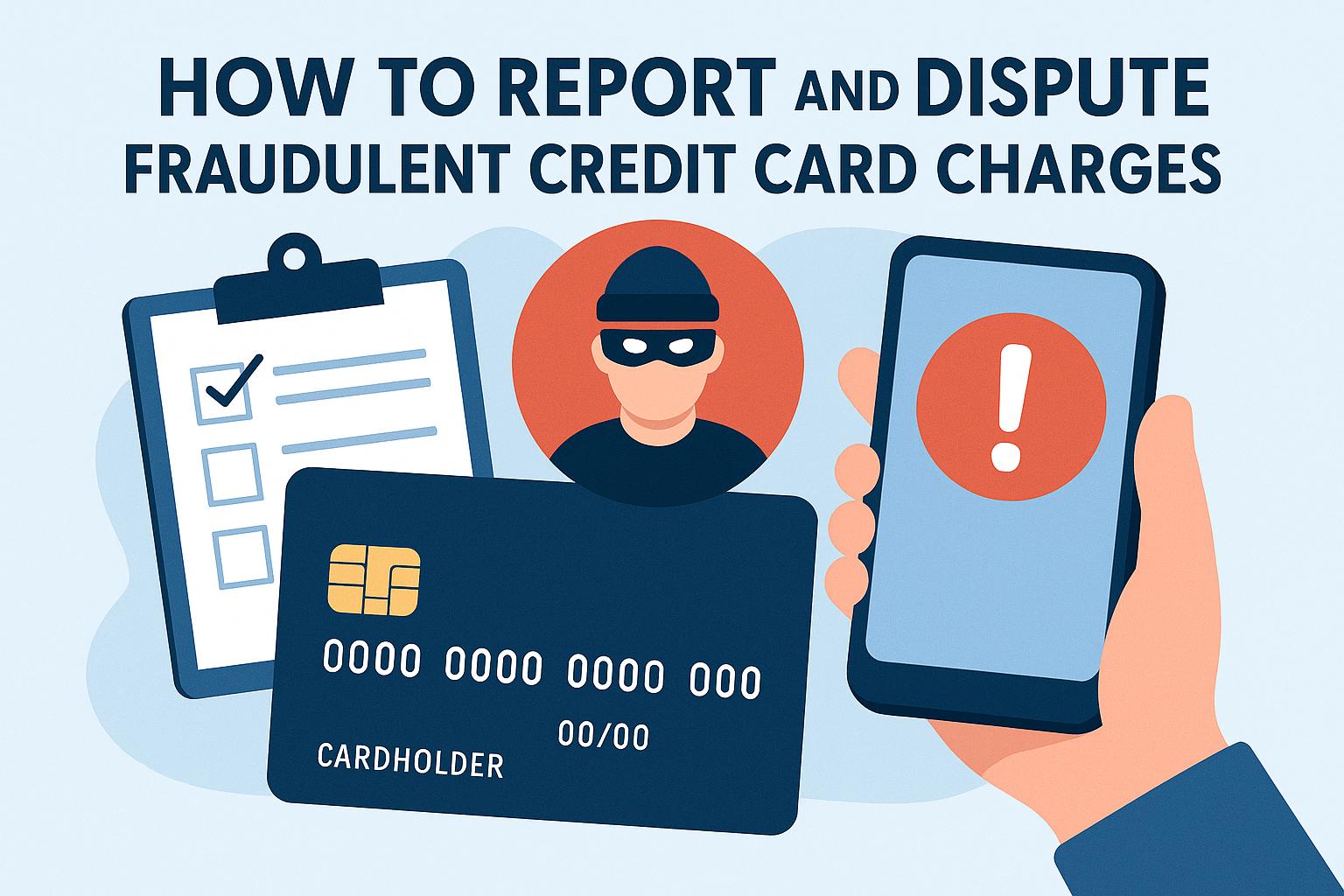
How to report and dispute fraudulent credit card charges

How to report and dispute fraudulent credit card charges

Understanding Fraudulent Credit Card Charges

Dealing with fraudulent credit card charges requires swift action to avert potential financial harm. When someone uses your credit card information without your consent, this leads to what is known as a fraudulent charge. Such unauthorized use can occur through multiple channels, including data breaches, card skimming, or online phishing scams. By promptly identifying and reporting these charges, you can protect both your finances and your credit score effectively.

Identifying Fraudulent Charges

The cornerstone of detecting fraudulent activity is vigilance. It is imperative to regularly review your credit card statements to look for transactions that you do not recognize, irrespective of the amount. Some key indicators of potential fraud include transactions from merchants you do not recognize, purchases you cannot remember making, and identical charges appearing multiple times in a short duration.

Immediate Actions to Take

If you notice any suspicious charges, immediate action is necessary. Here are recommended steps to consider:

Contact Your Credit Card Issuer: Get in touch with your card issuer without delay. Typically, credit card companies offer a toll-free number for customers to report fraudulent activities.

Verify Transactions: Check with family members or co-cardholders to ensure the suspect charges were not made by them by mistake.

Request a Card Freeze: Some credit card issuers offer the option to temporarily suspend activity on your card, preventing further unauthorized charges.

Disputing Fraudulent Charges

Once fraudulent charges are identified and the issuer has been contacted, the next critical step is disputing the charges. Credit card companies generally require specific information to process your dispute efficiently.

Gather Required Information

Prepare to provide the following details:

  • The date and amount of each unauthorized charge
  • Correspondence, if any, with the merchant regarding the charge
  • A brief explanation of steps you undertook to resolve the issue
Follow Up

After initiating a dispute, it is crucial to retain a comprehensive record of all communications with your credit card issuer. They might provide case numbers or other types of identification for easy tracking. Make it a habit to regularly check your account statements for updates concerning the status of your dispute.

Consider Additional Precautions

Preventing similar issues in the future is of utmost importance. Implementing some precautionary steps can go a long way in safeguarding your financial information:

Monitor Accounts Regularly: Take advantage of transaction alerts provided by your card issuer to keep abreast of new transactions.

Enable Two-Factor Authentication: This ensures an added layer of security to your online accounts.

Update Passwords Routinely: Routinely changing your passwords can help in keeping your account secure from unauthorized access.

Additional Resources

For further help, consider reaching out to organizations dedicated to fraud prevention and credit protection. These entities offer targeted steps and resources tailored to individual circumstances. Many financial institutions have comprehensive guides and services designed to assist in the resolution process. One useful resource is the Consumer Financial Protection Bureau, which provides specific guidance and regulations for handling fraudulent transactions.

Appropriately handling fraudulent credit card charges by taking swift action and following the correct procedures can safeguard not just your finances but also provide you peace of mind. Each step, from detection to prevention, plays a role in maintaining your financial health and avoiding the repercussions of fraud.
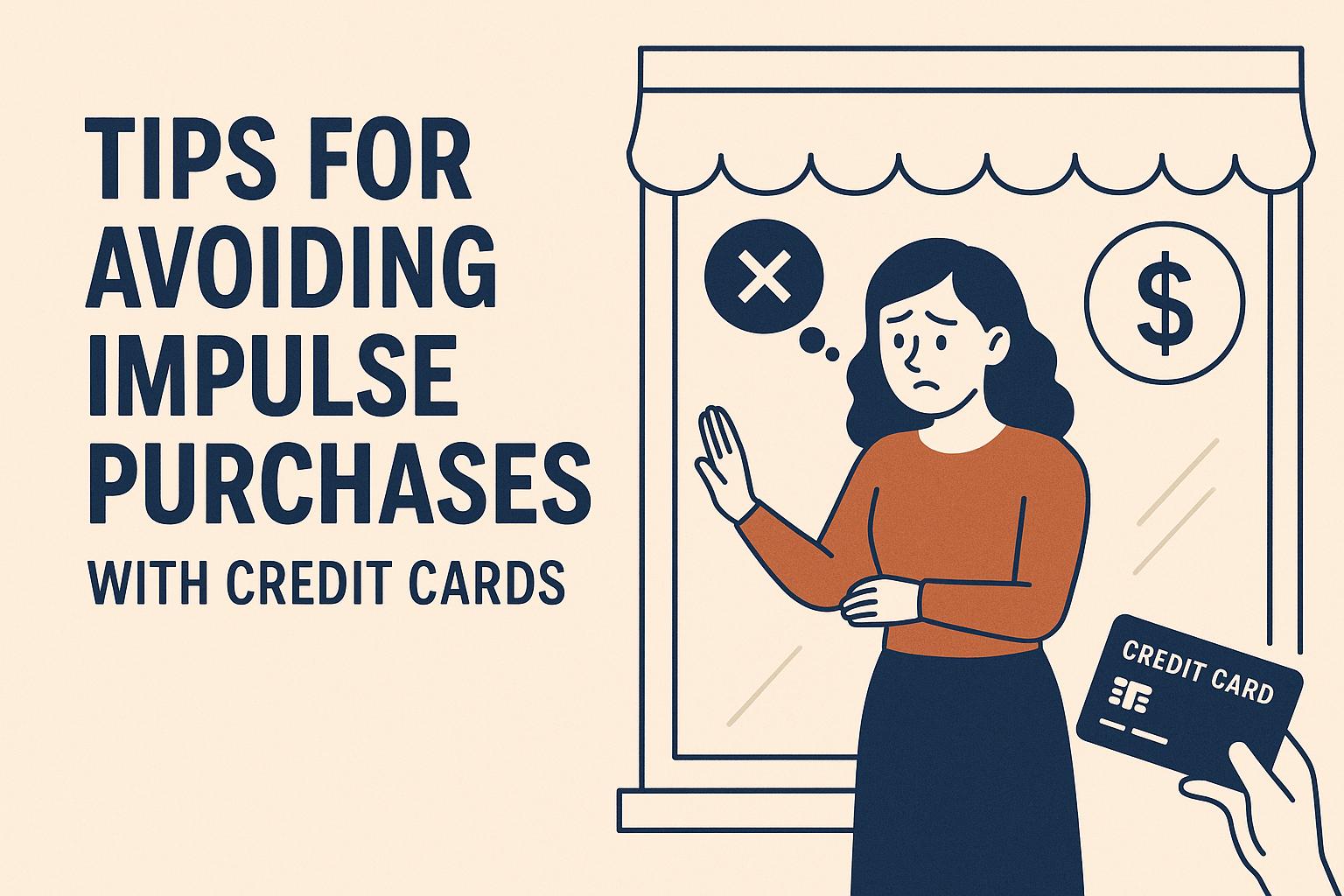
Tips for avoiding impulse purchases with credit cards

Tips for avoiding impulse purchases with credit cards

Understanding Impulse Purchases

Impulse purchases refer to spontaneous buying decisions driven primarily by emotions and immediate desires rather than conscious, planned decision-making. These types of purchases often occur when an individual suddenly decides to buy an item without prior planning. This behavior is largely fueled by emotional reactions or situational triggers, rather than a genuine need for the product. Emotional factors such as stress, excitement, or boredom often play a substantial role in this process.

When it’s easy to make payments, especially through the use of credit cards, impulse purchases can lead to the accumulation of significant debt. With just a swipe or tap, transactions are processed almost instantly, making spending seem less tangible than handing over cash. This convenience, however, can quickly spiral into financial issues if not managed carefully. Understanding the intrinsic nature of impulse buying is crucial in order to devise effective measures to combat its occurrence.

Recognizing Triggers

To mitigate impulse purchases, it is essential to identify and understand the specific triggers that prompt such decisions. Triggers can be personal and emotional, such as feeling stressed, lonely, or bored. In many cases, individuals buy unnecessary items as a form of emotional self-reward. Besides, external influences play a significant role as well. Sales promotions, advertising, and peer pressure can all act as powerful motivators to spend without due consideration.

Recognizing these triggers involves a conscious effort to introspect and evaluate the emotional and situational factors present at the time of purchase. This awareness enables individuals to develop strategic solutions that can help them resist the urge to indulge in impulsive spending patterns.

Create a Budget

Having a well-structured budget is one of the most effective ways to take control of finances and limit impulse buying. It acts as a financial roadmap, guiding an individual on how to effectively allocate their income across various expenses. Creating a budget involves setting a specific amount for each category of expenditure based on priority and necessity. Whether it’s for groceries, entertainment, or savings, sticking to the budget helps prevent financial strain.

Adhering to a budget fosters a disciplined approach to spending. Regularly revisiting and adjusting the budget as necessary can also contribute to developing healthier financial habits, reducing the temptation and financial impact of impulse purchases.

Use Shopping Lists

One of the simplest yet most effective strategies for avoiding impulse purchases is using a shopping list. Before heading out for shopping errands, take the time to create a detailed list of required items. This list serves as a practical guide throughout the shopping process, ensuring that purchases remain focused on necessity rather than desire.

Sticking to the list limits the likelihood of unnecessary products making their way into your shopping cart. It acts as a constant reminder of your budgetary constraints, helping to curb impulse buying tendencies. Moreover, it reinforces mindful spending, as it encourages individuals to evaluate their needs before stepping into a store or logging into an online shopping platform.

Implement a Waiting Period

Another effective tactic to counter impulse buying is instituting a waiting period before making a purchase. For some, adopting a 24-hour rule proves highly beneficial. The idea is to wait for a full day before finalizing the purchase of an item that was not originally planned. This waiting period provides ample time to rethink and assess whether the item is truly needed or simply a fleeting want.

More often than not, taking a step back and giving yourself time helps to break the impulse cycle. It allows for more rational and deliberate decision-making, which can lead to more substantial financial benefits in the long term.

Minimize Credit Card Usage

Reducing the frequency of credit card usage for everyday purchases is another strategic method to better manage spending and curb impulse purchases. Consider switching to cash transactions where possible for smaller, everyday expenses. Cash provides a tangible sense of spending and reality check because it is noticeably finite.

If using cash is not feasible, an alternative can be setting a low credit limit card specifically for day-to-day use. This tactic imposes a natural constraint on spending, essentially giving oneself a stop-gap against overspending.

Track Your Expenses

Maintaining a record of all transactions plays a vital role in understanding personal spending patterns. Several mobile applications and financial management tools are available to help track expenses efficiently. Utilizing these tools helps to highlight areas where overspending frequently occurs. Keeping a detailed log of expenses also provides insights into consumption habits, illuminating opportunities for improvement.

Tracking expenses provides a comprehensive picture of where money is going. This data enables individuals to set realistic financial goals and work towards them with better awareness and informed decision-making.

Utilize Alerts and Notifications

To maintain oversight over personal finances, taking advantage of alerts and notifications provided by banks and credit card providers is highly beneficial. These alerts can be customized to notify you of every transaction, provide warnings when credit limits approach, or remind you of upcoming payment deadlines.

Such alerts act as real-time reminders, keeping you constantly conscious of your spending activities. By staying informed, individuals are better equipped to adjust their spending behaviors and make financially sound decisions on the fly.

Seek Alternative Payment Methods

Exploring alternative payment methods can also help mitigate impulse purchases. Options such as debit cards or prepaid cards inherently offer spending limitations, as they restrict purchases to the amount of available funds. This naturally discourages overspending, thereby reducing the likelihood of making impulsive purchases.

Unlike credit cards, these alternatives do not create the illusion of unlimited spending capacity, making it easier to adhere to budgetary boundaries.

Conclusion

Combating impulse purchases, particularly when using credit cards, requires a combination of discipline, awareness, and strategic choice of tools. By incorporating effective strategies such as budgeting, employing shopping lists, and utilizing transaction alerts, individuals can gain better control over their spending habits. These methods not only contribute to reducing unnecessary expenditures but also lead to improved overall financial health. Deploying a structured approach to limit impulse buying ensures that financial resources are directed towards meaningful and purposeful ends, aligning purchases with long-term financial goals and well-being.

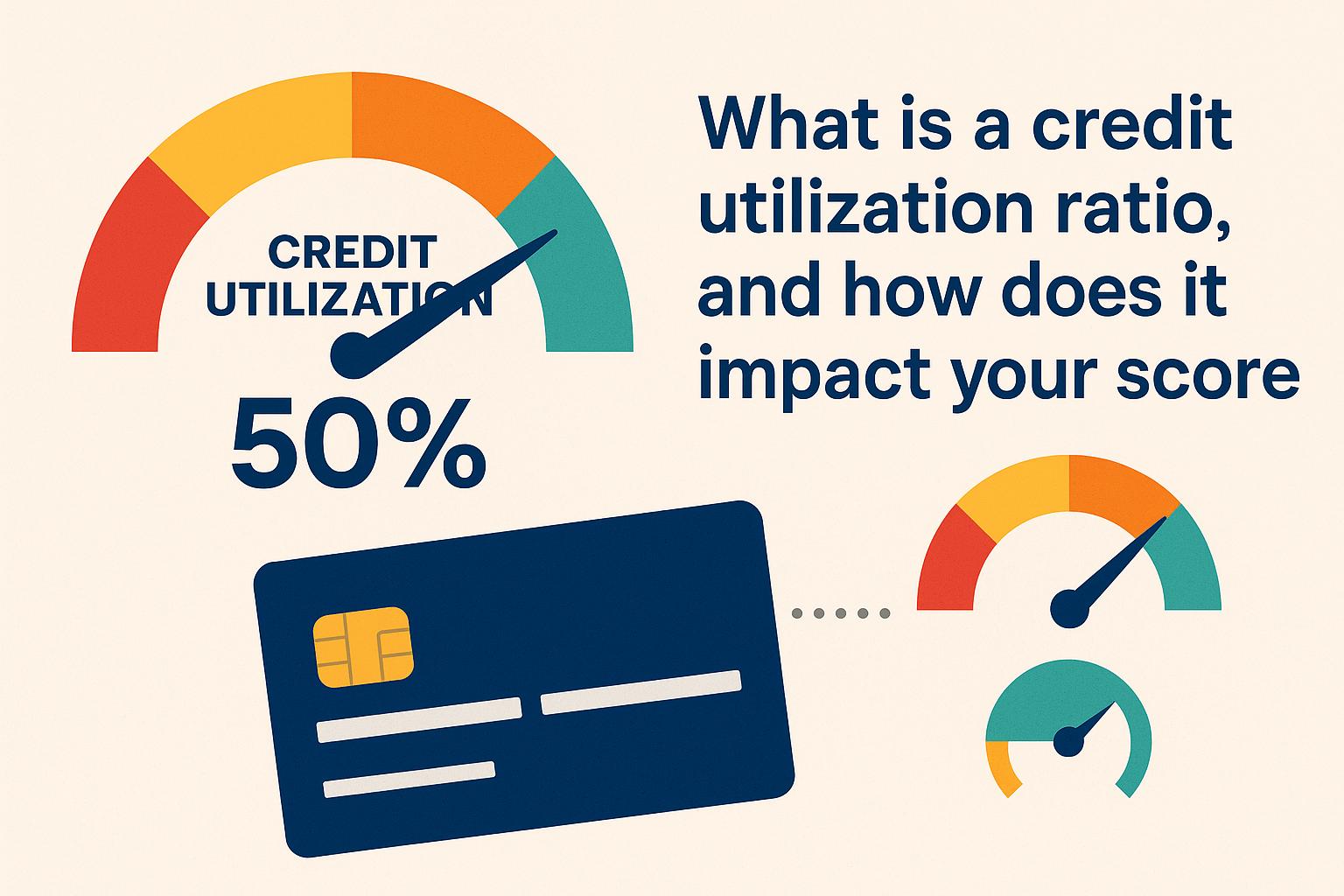
What is a credit utilization ratio, and how does it impact your score

What is a credit utilization ratio, and how does it impact your score

Understanding Credit Utilization Ratio

The credit utilization ratio is a key component in credit scoring systems, particularly within the frameworks of FICO and VantageScore. It is an essential factor that credit bureaus consider when assessing a consumer’s creditworthiness. In this expanded article, we will delve into the aspects of credit utilization, its implications on your financial health, and comprehensive strategies to manage it effectively.

What is Credit Utilization Ratio?

The credit utilization ratio refers to the percentage of your total available credit that is currently being used. To calculate your credit utilization ratio, you divide your total outstanding credit card balances by your total credit limits and then multiply by 100 to express it as a percentage. For example, suppose you hold two credit cards with a combined credit limit of $10,000, and you have utilized $2,500 of that limit. In that case, your credit utilization ratio stands at 25%. This ratio is pivotal because it gives lenders an insight into how much credit you are using relative to how much is available to you.

Understanding how to manage your credit utilization ratio can be a valuable tool in maintaining your financial health. By keeping this ratio in check, you present yourself to potential lenders as a responsible borrower, which can lead to favorable lending terms.

Impact on Credit Score

The credit utilization ratio holds substantial influence in determining your credit score. It is responsible for approximately 30% of your FICO credit score, making it the second most vital factor after your payment history. A high utilization ratio may be interpreted as a sign that you are excessively reliant on credit, which can be seen as a higher risk by lenders. Therefore, keeping your utilization ratio low can enhance your credit score substantially.

Why a Lower Ratio is Preferable

A lower credit utilization ratio is generally seen in a positive light by lenders. It indicates that you are adept at managing your credit and are not utilizing your limits to their maximum. Ideally, financial experts recommend maintaining your ratio below 30% of your total credit limit. The rationale behind this is that a lower percentage suggests financial stability and a lower risk of default, enhancing your appeal as a borrower.

Maintaining a low credit utilization ratio doesn’t just impact credit scores positively but also reflects disciplined financial management. Over-reliance on credit, on the other hand, can signal potential financial instability, discouraging lenders from offering favorable loan terms.

Strategies for Managing Your Credit Utilization Ratio

Managing your credit utilization ratio effectively can have long-term benefits for your credit score and overall financial well-being. Here are a few strategies to maintain an optimal credit utilization ratio:

Pay Down Balances Regularly: One fundamental strategy involves paying off your credit card balances fully each month. This practice keeps your utilization low, thereby promoting a favorable credit score. By consistently minimizing outstanding balances, you demonstrate to lenders your ability to manage credit responsibly.

Increase Your Credit Limit: Another practical approach is to request a credit limit increase from your card issuer or acquire an additional credit account. By increasing your total available credit, your utilization rate decreases, provided your overall spending remains constant. However, it’s crucial to approach this strategy with caution to avoid incurring unmanageable debt.

Avoid Closing Unused Credit Accounts: While it may seem tempting to close old credit accounts, keeping them open can be advantageous. The additional available credit from these unused accounts contributes to a lower utilization ratio, though it is essential to manage these accounts wisely to avoid the temptation of overspending.

Monitoring Your Credit Utilization Ratio

Regularly monitoring your credit utilization ratio is an effective practice to maintain a healthy financial profile. Various financial services platforms provide tools to track your credit utilization, along with offering recommendations for optimizing your credit profiles. Utilizing tools from platforms such as Credit Karma, consumers can gain insight into their credit utilization, adjustments needed, and their impact on the overall credit score.

Staying informed about your credit utilization ratio empowers you to take proactive steps toward improving your financial health. By leveraging available resources and regularly checking your credit, you can ensure that you’re well-positioned to meet your financial goals.

In summary, maintaining a low credit utilization ratio is integral for a good credit score. By being mindful of your credit usage and implementing the strategies mentioned above, you can significantly improve your financial health and standing with lenders. Responsible credit management not only enhances your credit score but also promotes a stable financial lifestyle, enabling you to leverage credit as a tool for future financial endeavors.

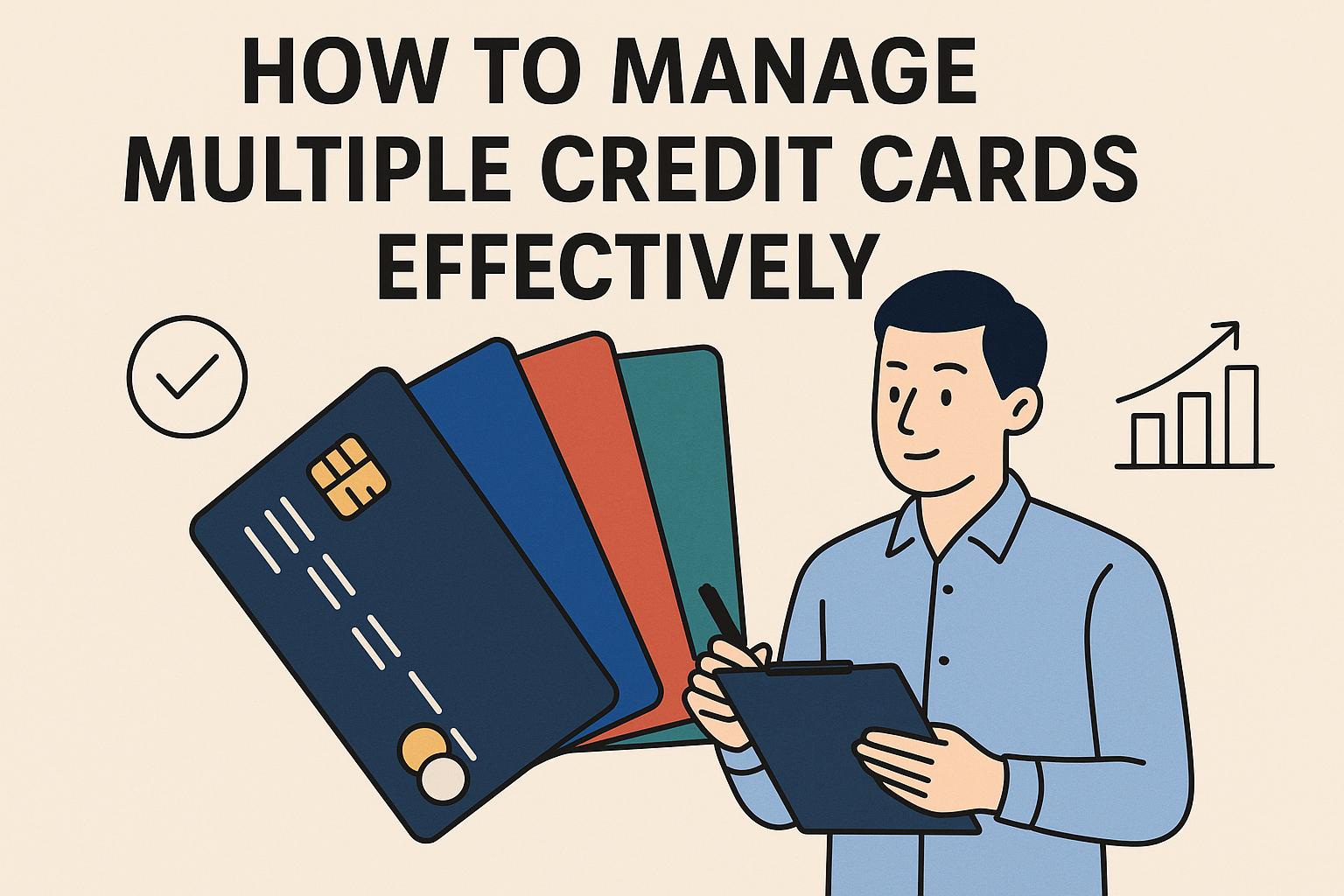
How to manage multiple credit cards effectively

How to manage multiple credit cards effectively

Understanding Your Cards

To effectively manage multiple credit cards, it’s essential to begin by comprehending the specific details associated with each card. This understanding involves knowing their interest rates, annual fees, rewards programs, and billing cycles. Such fundamental knowledge is vital as it assists in making informed decisions about when and how to use each card optimally.

Interest Rates and Fees

Each credit card carries its own annual percentage rate (APR) and fee structure, which can significantly impact how you utilize them. By maintaining a record of these variables, you can prioritize the usage of cards with lower interest rates for making larger purchases. This approach helps in minimizing the amount of interest accrued over time. Additionally, it’s wise to avoid cards that come with hefty annual fees, unless these cards offer substantial perks that justify the extra cost.

Determining which cards align with various purchase needs requires vigilant attention to these financial details. By scrutinizing what each card demands and offers, users can allocate their spending more intelligently, thus preventing unnecessary financial burdens that affect their overall credit health.

Reward Programs and Offers

Many credit cards come with attractive rewards and special offers that can be leveraged to your advantage. Some cards provide cash back for expenses such as groceries or dining, whereas others may offer travel points or discounts at specific retailers. Being aware of and aligning your card usage with these rewards is critical for maximizing benefits.

Plan your purchases by considering the rewards each card offers. For instance, using a card that offers cash back on groceries to pay for your supermarket trips can give you back a percentage of your purchase, effectively reducing your expenses. Similarly, if a card offers travel miles, prioritize it for flight or transportation-related spending. For more insights on optimizing credit card rewards, explore resources like NerdWallet which can provide expert guidance and comparisons.

Payment Strategies

Developing efficient payment strategies is crucial to manage multiple credit cards effectively. A well-thought-out payment plan not only helps in reducing debt but also facilitates in maintaining a healthy credit score.

Paying More Than the Minimum

Whenever possible, commit to paying more than the minimum balance each month. This practice significantly reduces the total interest you pay over time and expedites the process of paying down your balance. Focusing on paying off high-interest debt first can expedite financial health recovery, and working systematically towards zero balance on each card helps stabilize financial standing.

Moreover, maintaining a disciplined payment routine aids in better credit usage, enabling a smoother financial life without the burden of constant debt. Regularly assess your budget to determine how much more you can feasibly pay toward your balances, which will aid in accelerating debt reduction.

Automated Payments

Implementing automated payments is another effective strategy to ensure timely payments. This approach avoids late payment fees and contributes positively to maintaining a good credit score. When setting up automated payments, it is crucial to select a payment schedule that aligns with your cash flow, preventing any potential overdrafts in linked accounts.

Automating payments not only contributes to stress reduction by eliminating the worry of missed deadlines but also creates a consistent routine that enhances credibility with credit institutions.

Avoiding Common Pitfalls

Managing multiple credit cards can often lead to common pitfalls. Overspending is one such trap that can have significant long-term consequences. To prevent this, routinely reviewing your credit card statements is essential. Regular reviews help identify any unauthorized transactions and ensure that you stay within your budget limits.

Additionally, staying within credit limits and avoiding maxing out your cards helps maintain a favorable credit utilization ratio, which is a crucial factor in determining your credit score. Practicing restraint with spending and opting for responsible usage of credit are vital practices when managing various cards.

Regular Credit Monitoring

Another important aspect of handling multiple credit cards is regular credit monitoring. Maintaining the habit of checking your credit score regularly ensures that you stay aware of your financial standing. Websites such as Credit Karma offer free credit monitoring services. These services can help you track changes in your score and quickly spot any discrepancies or fraudulent activities.

Regular credit monitoring equips you with the knowledge required to address issues promptly, thereby safeguarding your financial reputation. By staying informed, you can swiftly make necessary adjustments to enhance or maintain your credit health.

In conclusion, the effective management of multiple credit cards necessitates diligence and discipline. By understanding each card’s terms, leveraging rewards, and implementing strategic payment plans, you can optimize benefits while mitigating the associated risks. This comprehensive approach provides a pathway to not only secure financial advantages but also to build and maintain a solid credit reputation over time.