
The benefits of having a credit card as a young adult

The benefits of having a credit card as a young adult

The Financial Advantages of Owning a Credit Card as a Young Adult

Using a credit card responsibly as a young adult can offer numerous financial benefits. While it is crucial to understand the significance of using credit cards wisely, they can be a useful tool for establishing financial independence.

Building Credit History

A significant advantage of having a credit card early on is the opportunity to build a credit history. This component is integral to many future financial endeavors. Here’s how:

Establishing Credit Early: Initiating a credit card account at a young age allows individuals to start building their credit history sooner rather than later. The length of your credit history is a factor in calculating your credit score, so starting early can be beneficial. A good credit score is essential when it comes to significant life purchases like buying a car or getting approved for rental housing. By making regular, on-time payments on their credit cards, young adults can showcase their reliability to future lenders.

Demonstrating Financial Responsibility: Paying off the balance each month without delay highlights responsible financial behavior. Consistently paying bills on time demonstrates to lenders that you are a reliable borrower. This can result in more favorable terms for future loans or credit facilities, including lower interest rates.

Convenience and Security

Credit cards provide a more convenient way to make purchases, whether online or in physical stores. They offer several security benefits that can protect users from various financial pitfalls.

Ease of Transactions: Whether you’re shopping online or in a physical store, credit cards eliminate the need to carry large amounts of cash. This convenience enhances the shopping experience, making it quicker and more straightforward. It also allows for easier tracking of your purchases through electronic records, simplifying return processes if needed.

Fraud Protection: Unlike debit cards, credit cards often come with sophisticated fraud protection measures. If your card is used fraudulently, reporting the issue usually results in swift remedial action. Most importantly, this often comes with minimal financial liability to the cardholder. Credit card companies frequently have zero-liability policies, meaning you may not be responsible for unauthorized charges made on your account.

Dispute Resolution: Besides fraud protection, credit cards also offer robust mechanisms for settling disputes regarding faulty or undelivered goods. This feature can act as an added layer of consumer protection that is not usually available with other payment types.

Rewards and Incentives

Many credit cards offer varied reward systems that can benefit users over time. This includes cashback programs, reward points, and other incentives.

Cashback Offers and Points: Many credit cards provide rewards for spending. This could include cashback on purchases or points that can be redeemed for travel, merchandise, or other benefits. Young adults should choose a card that aligns with their spending habits to maximize these rewards. Cashback offers, for instance, can result in a small percentage of your purchases being returned to you, making this an attractive feature for responsible spenders.

Travel and Lifestyle Benefits: Some credit cards offer added perks such as travel insurance, concierge services, or discounts on dining and entertainment. These additional benefits can add more value to having a credit card, especially for young adults with specific lifestyle preferences.

Responsible Use and Financial Literacy

The responsible use of credit cards can instill essential financial skills in young adults. The mere act of using a credit card comes with its own set of financial literacy lessons.

Budgeting and Expense Tracking: Young adults can utilize credit card statements to better understand their spending patterns. This practice enhances budgeting skills and fosters more effective money management. By regularly reviewing these statements, users can identify spending areas where they might cut costs or reallocate funds.

No Balance Carryover: It is vital for young adults to pay their credit card bills in full each month. This practice helps avoid interest charges and reinforces responsible spending habits. Avoiding balance carryover can save money in the long run by eliminating potential interest fees, thus making financial health more manageable.

Understanding Interest Rates: Learning about credit card interest rates and fees is another avenue where financial literacy is involved. Understanding these components can prevent costly mistakes such as accumulating debt through interest or forgetting to account for annual fees.

Emergency Use

While having an emergency fund is ideal, a credit card can serve as a temporary backup for unexpected occurrences.

Unexpected Expenses: Emergencies such as medical needs or essential home repairs can arise without warning, and a credit card can serve as a buffer in such situations. While using credit for emergencies is not a long-term solution and paying back any amounts charged as soon as possible is crucial, it provides an essential safety net that can be invaluable in dire circumstances.

Financial Flexibility: With the credit limit available through a card, there’s the flexibility to manage expenses that arise unexpectedly, allowing for time to arrange more permanent financial solutions.

Conclusion

While there are many advantages associated with owning a credit card as a young adult, it is imperative to approach this financial tool with caution and responsibility. When managed correctly, credit cards can assist in building a solid financial foundation for the future. For more detailed information, consider exploring resources from financial institutions or financial education websites. Proper education and responsible use of credit cards can lead to a healthier financial future, ensuring that young adults can enjoy the benefits without falling into the pitfalls of debt. As with any financial tool, understanding its functionality and limitations is key to making the most of what credit cards have to offer.
What is a credit card, and how does it work

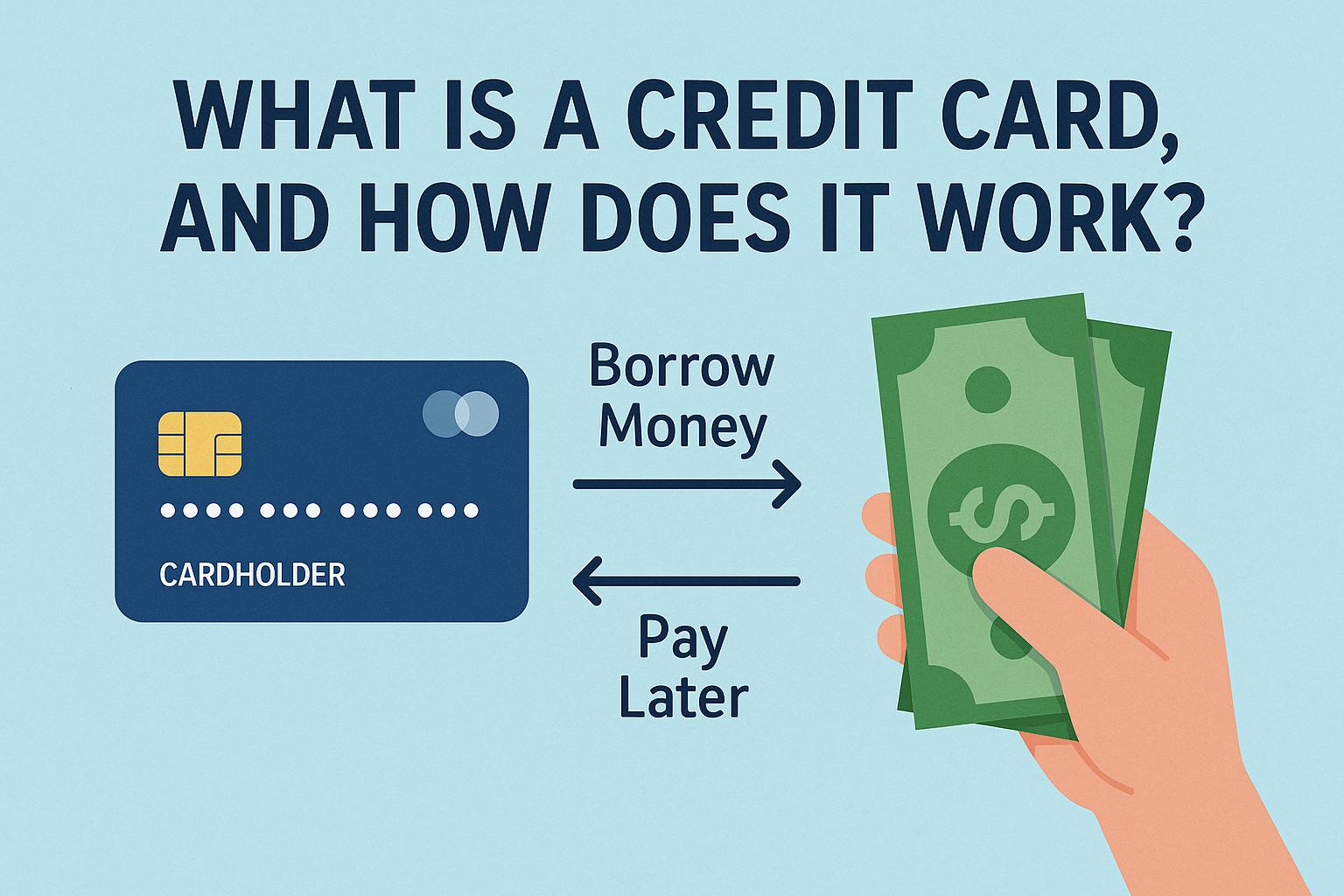
What is a credit card, and how does it work

Understanding Credit Cards

A credit card is a multifaceted financial instrument that enables cardholders to borrow funds from banks or financial institutions to pay for purchases, comprising both goods and services. These cards function as a form of short-term borrowing where users are obligated to reimburse the borrowed amount. This repayment often includes interest, contingent upon the terms specified by the issuing entity.

How Credit Cards Work

The operation of credit cards involves a nuanced process. When an individual uses a credit card, it represents a temporary loan from the issuing bank. Unlike paying instantly for items, the bank advances the payment on behalf of the cardholder. Subsequently, the cardholder receives a statement, usually at the end of a billing period, which details all the transactions conducted during that cycle.

If the entire amount owed is settled by the designated due date, no interest is levied on the borrowed sum. However, any unpaid balance rolled over to the next billing period attracts interest charges. This interest charge is dictated by the Annual Percentage Rate (APR), which differs by card type and issuing bank. Having a firm grasp of the APR is pivotal in efficiently managing credit card expenses.

Credit Limit

A significant aspect of credit cards is the credit limit. Each card is issued with a predefined credit limit, reflecting the maximum amount one can spend using the card. This limit is calculated based on various factors, including the cardholder’s income, credit score, and historical credit behavior. Surpassing this limit could result in penalties, and potentially deteriorate the user’s credit score.

Minimum Payment and Fees

Every credit card statement specifies a minimum payment that must be remitted each month. This payment typically represents a small fraction of the outstanding debt. Although settling the minimum payment helps avert late fees, it leads to interest accumulating on the remaining balance. An awareness of various potential charges, such as late fees, annual charges, and foreign transaction fees, is crucial, as these can significantly inflate the cost of using a credit card.

Benefits of Using Credit Cards

Credit cards provide numerous advantages, including the ease of cashless transactions, safeguarding purchases, and offering travel perks. Moreover, some cards come with rewards programs like cashback or points systems. These benefits necessitate responsible credit use to prevent debt accumulation. Using credit cards prudently also aids in establishing a robust credit history, a vital component for future borrowing endeavors like taking out a mortgage.

Security and Safety Features

Contemporary credit cards are embedded with security features, such as EMV chips, designed to enhance transaction security. Furthermore, most credit card companies offer fraud monitoring services paired with liability protection, facilitating the prevention of unauthorized use of the card.

Choosing the Right Card

The selection process for a credit card requires a thorough evaluation of several elements such as interest rates, applicable fees, reward structures, alongside a review of personal financial practices. It’s imperative to compare different offers from various issuers and to carefully scrutinize the terms and conditions. This diligence ensures the selection of a card that aligns with an individual’s financial strategies and aspirations.

Credit cards can serve as potent financial instruments when utilized judiciously. Grasping a comprehensive understanding of their terms, accruable benefits, and inherent risks is essential to leverage their potential advantages while mitigating the risk of falling into debt-related pitfalls.

Effective Credit Card Management

To manage credit cards effectively, it’s essential to maintain a routine of timely payments, which helps in avoiding additional financial charges. Setting up automated payments from a bank account can be beneficial for preventing missed payments. Besides, maintaining an expenditure record helps in sticking to a predetermined budget, averting needless debt accumulation.

Regularly reviewing credit card statements is advisable to ensure all charges are accurate, and any discrepancies can be addressed promptly. Engaging with customer service for any queries or issues regarding credit statements can prevent the escalation of minor errors into significant financial challenges.

Monitoring the credit report periodically is another vital practice, as it offers insight into personal credit standing and uncovers any unauthorized entries. Utilizing free annual credit report services can aid in maintaining vigilant oversight over one’s credit status.

Special Considerations

There are special considerations for using credit cards, depending on circumstances such as traveling abroad or engaging in substantial purchases. Understanding the terms of international usage and whether the card charges foreign transaction fees is crucial for travelers. Some issuers offer cards with no foreign transaction fees, which can be advantageous for frequent travelers.

Dealing with higher-value purchases requires evaluating the potential for purchase protection offered by the credit card. Confirming the card’s terms regarding disputes over purchases or services can provide reassurance and protection in transactions.

In summary, while credit cards serve as flexible financial instruments, they demand careful attention to avoid pitfalls. Prudence in their management prevents negative consequences and maximizes potential benefits, leading to healthier financial outcomes.

How to use loan calculators to plan your finances

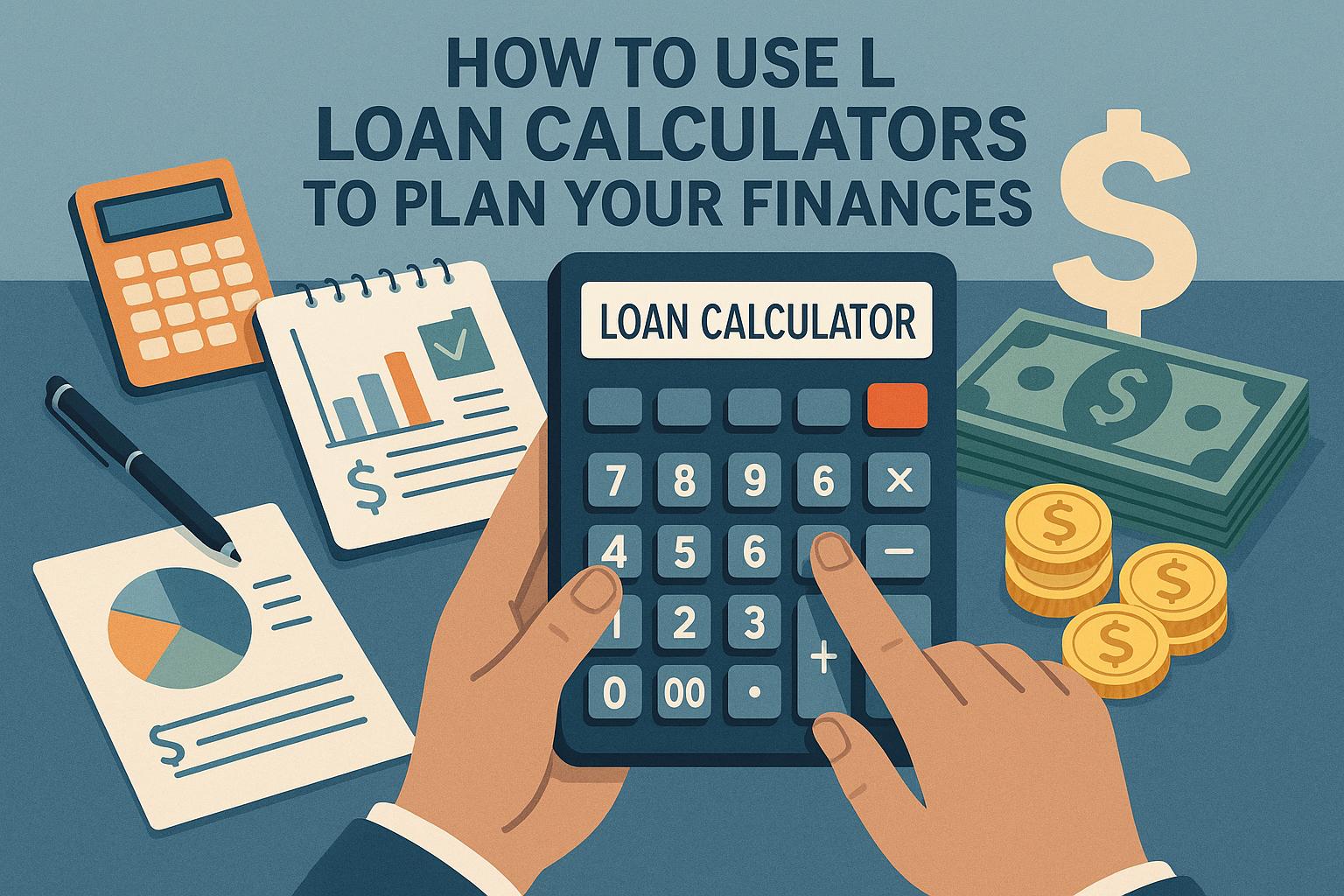
How to use loan calculators to plan your finances

Understanding Loan Calculators

Loan calculators are invaluable tools that have become increasingly popular among individuals seeking to make intelligent financial decisions regarding borrowing. These instruments offer indispensable insights into the potential cost and affordability of a loan by analyzing critical data such as the monthly payments, the total interest payable, and the overall cost involved in taking out the loan.

Types of Loan Calculators

Loan calculators are diverse, with several distinct types available online, each tailored to meet specific needs. By engaging with these various types, individuals can better comprehend their unique financial situations and make well-informed choices. Among the most commonly used types are:

  • Mortgage Calculators: These are specifically designed to estimate monthly payments associated with home loans. They do so by accounting for a variety of factors like interest rates, the loan term, and the principal amount borrowed.
  • Auto Loan Calculators: Tailored specifically for car loans, these calculators help prospective buyers ascertain payment amounts by considering factors such as the vehicle’s price, any down payment made, interest rates, and the duration of the loan.
  • Personal Loan Calculators: These are applicable for general-purpose loans, enabling users to grasp the financial implications by inputting the loan amount, interest rate, and duration.

How to Use a Loan Calculator

Using a loan calculator is typically a straightforward process that requires minimal input to yield valuable results. Here is a detailed approach to utilizing these calculators effectively:

  1. Input the loan amount: Begin by entering the total amount you wish to borrow. This serves as the starting point for further calculations.
  2. Enter the interest rate: Specify the annual interest rate that the lender is offering to get an accurate estimation of loan costs.
  3. Set the loan term: Input the time period over which you plan to repay the loan. This duration is usually specified in years.
  4. Submit additional details: Depending on the specific calculator, you might need to provide information such as down payment amounts or any additional fees related to the loan.
  5. Calculate the results: Once all the information is submitted, the calculator processes these inputs to generate estimates, including the monthly payments, total interest payable, and the overall cost of the loan.

Benefits of Using Loan Calculators

Incorporating loan calculators into your financial planning arsenal provides a range of benefits, aiding users in gaining comprehensive insights into their financial commitments. Some of the key benefits include:

  • Financial Clarity: By offering a detailed breakdown of loan-related costs, these calculators assist individuals in crafting effective budgets and comprehensive financial plans.
  • Comparative Analysis: They empower potential borrowers to compare varying loan options through adjustments in interest rates, loan terms, and borrowing amounts.
  • Informed Decision Making: With the ability to understand long-term financial implications, borrowers can make well-informed decisions when selecting a suitable loan product.

Limitations to Consider

Despite the many advantages they offer, it is essential to acknowledge the limitations associated with loan calculators. A comprehensive analysis of some crucial limitations includes:

  • Assumptions: These calculators often rely on static interest rates. However, in reality, interest rates tend to fluctuate due to market conditions, which might lead to deviations from the initial calculations.
  • Exclusions: Many calculators may not account for additional costs that significantly impact overall loan expenses, such as taxes, insurance, or various fees that should be considered when calculating the total cost.

Finding a Reliable Loan Calculator

The marketplace offers a myriad of loan calculators, with many available from financial websites, banks, and credit unions. When selecting a calculator, it’s crucial to ensure its accuracy and reliability. For the highest level of trust and dependability, it’s advisable to utilize calculators provided by reputable financial institutions or well-known financial advisory entities. Websites like Bankrate and major bank websites frequently host comprehensive and user-friendly calculators, providing precise and accurate insights.

Conclusion

Loan calculators play a vital role for anyone considering borrowing money. They provide a detailed picture of potential financial commitments and empower borrowers to make informed and confident decisions by equipping them with necessary insights. While loan calculators are instrumental in simplifying complex financial decisions, it’s essential to remain aware of their limitations and seek further professional advice when needed. With the right approach, these tools can significantly contribute to a clearer understanding of one’s financial landscape and assist in making astute, responsible borrowing choices.