The pros and cons of taking out a student loan

The pros and cons of taking out a student loan

Understanding Student Loans

Student loans have become an integral part of financing higher education for countless individuals worldwide. These loans are designed to cover a myriad of expenses associated with college or university, ranging from tuition and books to housing and other living costs. While student loans serve as a bridge for many to access educational opportunities, it is essential to carefully weigh their benefits and drawbacks before making a decision. This article delves into the details of student loans, helping prospective borrowers gain a comprehensive understanding.

The Pros of Taking Out a Student Loan

Access to Education: Perhaps the most significant advantage of student loans is that they provide crucial access to higher education for those who might otherwise be unable to afford such an investment. By narrowing the financial gap, these loans allow students to pursue their desired academic journeys, thereby enhancing their future career prospects and potential earnings.

Flexible Repayment Options: Another appealing aspect of student loans is the variety of repayment plans offered by lenders. Many institutions present options like income-driven repayment plans, which adjust monthly payments in alignment with the borrower’s income level. Such flexibility can alleviate the stress of loan repayment significantly, especially in the initial years post-graduation when income levels may be lower.

Improving Financial Literacy: Taking out and managing a student loan can inadvertently enhance a borrower’s financial literacy. Through the loan process, individuals gain experience in budgeting, tracking payments, and understanding interest rates. These skills prove invaluable in adulthood as they lay the groundwork for sound financial management in a variety of contexts.

Building Credit History: Successfully navigating the repayment of a student loan can contribute positively to building a solid credit history. A robust credit record is instrumental for future financial endeavors, such as purchasing a vehicle, obtaining a mortgage for a home, or even starting a business.

The Cons of Taking Out a Student Loan

Long-term Debt: On the downside, one of the foremost concerns with student loans is the long-term debt burden that accompanies them. As graduates step into their professional arenas, they find themselves shouldering this debt, which can take years or even decades to repay, potentially curbing their financial autonomy during these formative career years.

Interest Accumulation: Unlike other forms of financial aid like scholarships and grants, student loans require repayment with interest. If managed poorly, interest can compound over time, significantly inflating the total amount owed. This increase can present a daunting financial challenge, affecting the borrower’s capacity to allocate funds to other essential expenses.

Possible Impact on Future Financial Goals: Graduates with student loans often confront the reality that monthly repayments reduce their disposable income. This situation can impede or delay achieving other vital financial milestones, such as purchasing a home, contributing to retirement savings, or even building a family.

Risk of Default: Furthermore, failure to adhere to repayment plans may result in loan default, carrying severe repercussions. Defaulting on a student loan can tarnish credit scores, complicate future financial transactions, and lead to legal action by lenders, thereby exacerbating the borrower’s financial distress.

Making an Informed Decision

Given the significant impact of student loans on a person’s financial life, it is paramount to make informed choices when considering this option. Conducting a comprehensive analysis of loan terms, repayment strategies, and their potential implications on future financial planning is vital. Prospective borrowers should consider consulting a financial advisor to gain deeper insights and guidance tailored to their circumstances.

Moreover, exploring alternative funding sources is highly advisable. Scholarships and grants, for instance, do not require repayment and can substantially alleviate the financial burden of higher education. Work-study programs also present opportunities to earn money while gaining valuable experience, reducing reliance on loans.

For those seeking further guidance in managing student loans, there are numerous resources available. Websites such as the Federal Student Aid provide valuable information regarding federal loans and various support programs. Additionally, educational institutions often offer financial advisory services designed to assist students in navigating the complexities of student loans and financial aid.

Making well-informed decisions today regarding student loans can pave the way for a more secure and stable financial future. By understanding the intricate details involved and evaluating all available options, prospective borrowers can embark on their educational journeys with greater confidence and financial preparedness.

What is a loan, and how does it work

What is a loan, and how does it work

Understanding Loans

A loan is a financial instrument that involves the lending of money by one or more individuals, organizations, or financial institutions to other individuals, organizations, or institutions. The borrower incurs a debt and is obligated to repay the lender according to the agreed terms, which usually include the payment of principal and interest. Loans are fundamental components of modern finance and are integral in facilitating various aspects of economic activity.

Types of Loans

Loans can take many forms, catering to the diverse needs and circumstances of borrowers. Among the most common types are:

Personal Loans: These are typically unsecured loans, used for personal expenses such as home renovations, medical bills, or vacations. Personal loans are often available through banks, credit unions, and other lending institutions. Due to their unsecured nature, they may attract higher interest rates to compensate for the increased risk to the lender.

Mortgage Loans: Secured by real estate property, these loans are used to purchase residential or commercial properties. They often feature long repayment terms and are structured with fixed or variable interest rates. The property itself serves as collateral, reducing the lender’s risk and often resulting in lower interest rates compared to unsecured loans. Mortgages are typically associated with significant sums that demand serious financial planning.

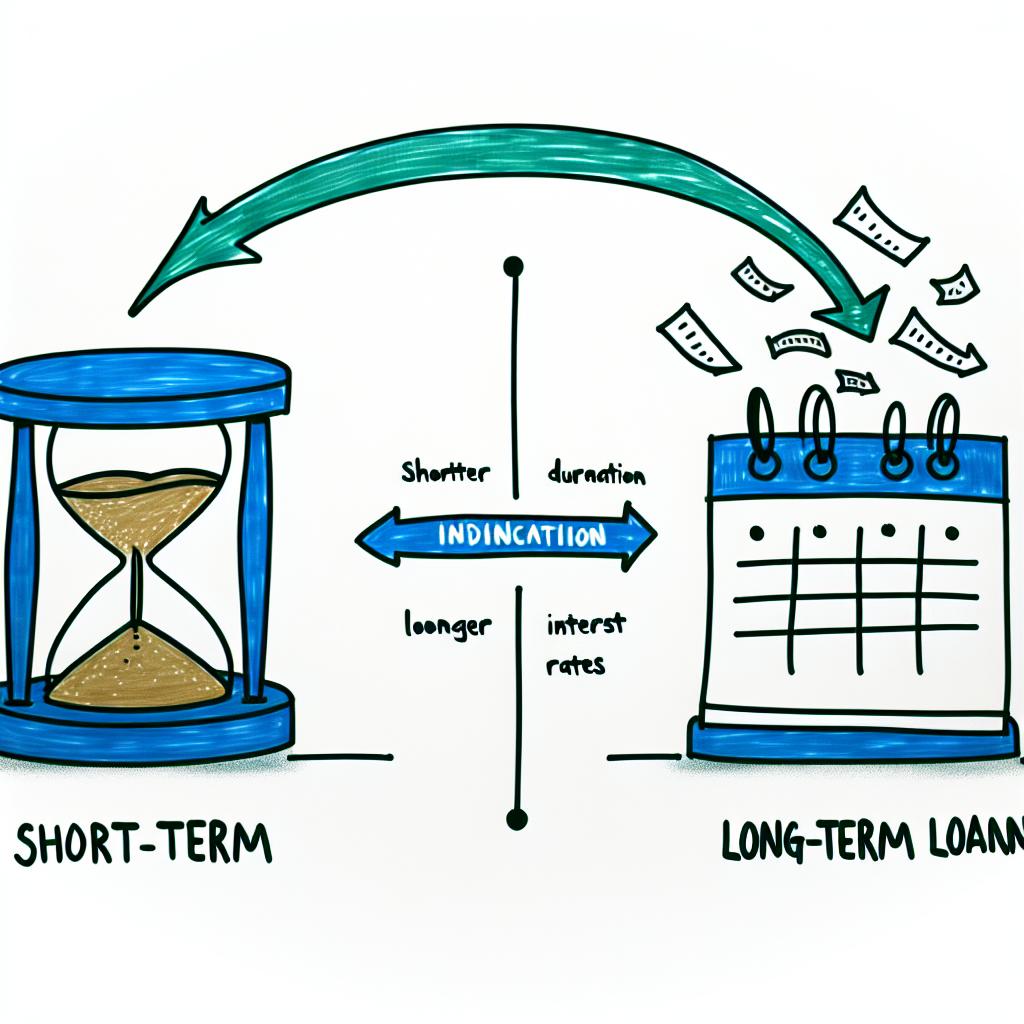
Auto Loans: Specifically intended for the purchase of vehicles, these loans are often secured against the automobile itself. Lenders may offer attractive terms to incentivize borrowing for car purchases. Auto loans usually have shorter terms than mortgage loans, often ranging from three to seven years. The lender retains the title of the vehicle as collateral until the loan is fully repaid.

Student Loans: Designed to finance education-related expenses, these loans can be provided by the government or private lenders. Student loans often feature unique repayment terms and interest rates. For instance, government-backed student loans usually offer lower interest rates and more flexible repayment options compared to private student loans. They can be either subsidized or unsubsidized, affecting how interest accumulates over time.

How Loans Work

The process of obtaining a loan generally follows a structured set of steps, each essential for ensuring that both the lender and borrower have a clear understanding of their obligations and rights.

Application

The borrower begins by submitting a loan application, providing necessary information such as the desired loan amount, purpose, income, credit history, and employment status. This information is crucial as it allows the lender to assess the borrower’s creditworthiness. The borrower’s credit score, a numerical representation of their credit history, plays a significant role in determining loan eligibility and terms.

Approval

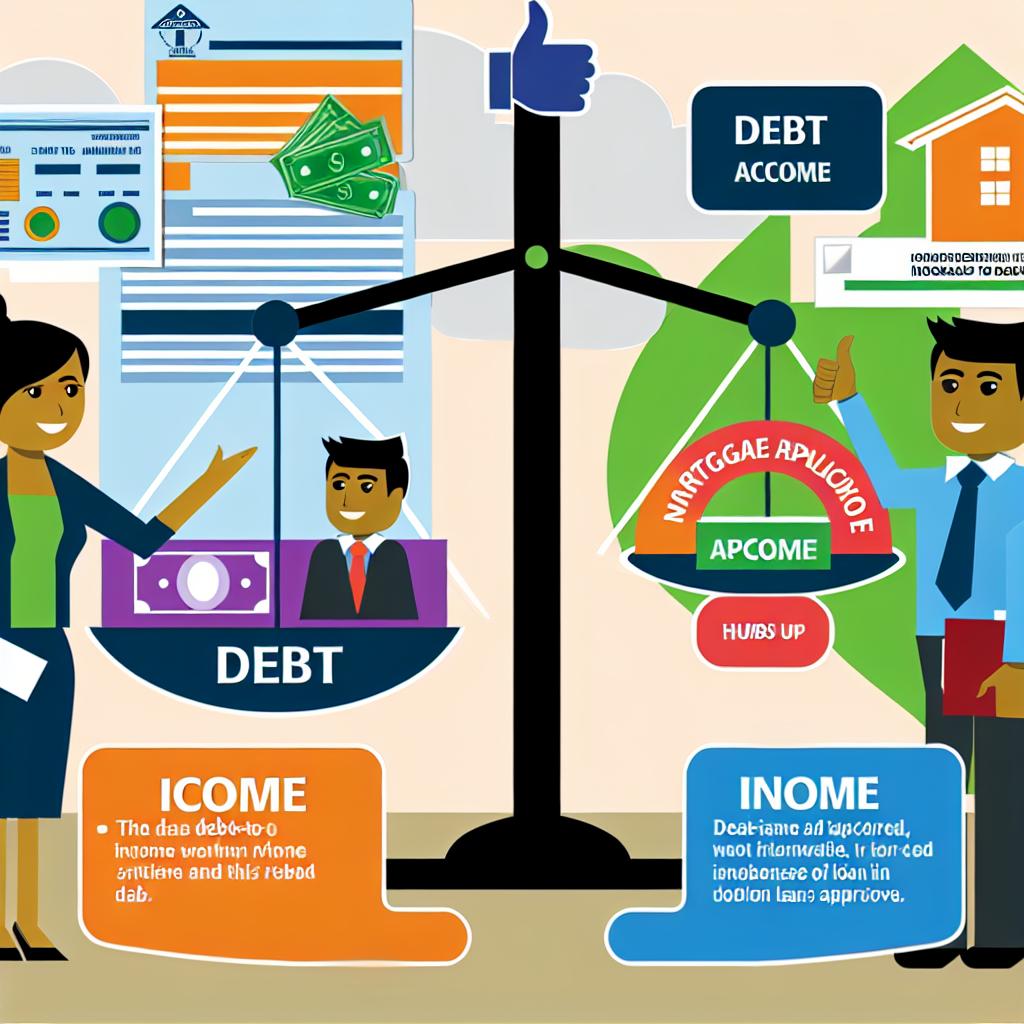
Upon reviewing the application and conducting a credit check, the lender decides whether to approve or deny the loan. Approval is based on factors like the borrower’s credit score, income stability, and debt-to-income ratio. The lender evaluates the risk of lending funds and determines whether the borrower is likely to repay the loan.

Agreement

If the loan is approved, the lender and borrower enter into a formal agreement outlining the terms and conditions. This agreement specifies the loan amount, interest rate, repayment schedule, fees, and any penalties for late payments or default. The contract serves as a legally binding document, ensuring that both parties adhere to the agreed terms.

Disbursement

Once the agreement is finalized, the lender disburses the funds to the borrower. The disbursement method may vary depending on the type of loan. For personal loans, funds are usually transferred directly to the borrower’s bank account, while in the case of mortgages, the funds often go directly to the seller or the real estate agent.

Repayment

The borrower repays the loan in regular installments (monthly, bi-weekly, etc.) over the agreed period. These payments are composed of both the principal and interest. Timely repayments are essential to maintain a good credit score and avoid additional fees or penalties. Some loans offer options for early repayment, which can save on interest in the long run.

Interest and Fees

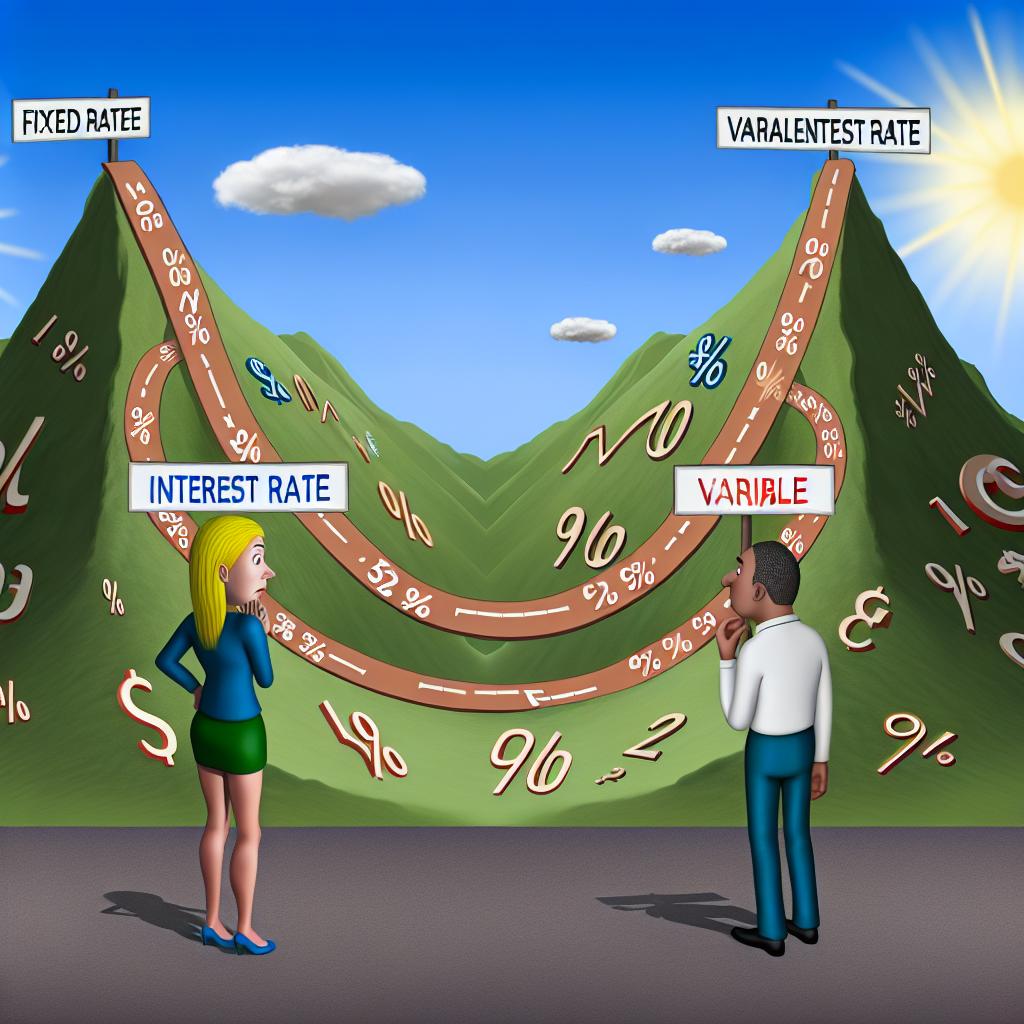
Interest is a critical component of a loan. It is the cost of borrowing money and is typically expressed as an annual percentage rate (APR). The interest rate can be fixed, remaining constant throughout the loan’s term, or variable, fluctuating based on market conditions. Apart from interest, loans may also include fees such as origination fees, late payment fees, or prepayment penalties, which can impact the total cost of the loan.

Benefits and Risks

Loans provide numerous benefits, such as enabling individuals to make significant purchases, invest in education, or manage emergency expenses without needing full funds upfront. For businesses, loans can provide capital for expansion, equipment purchase, or operational expenses. However, they also carry risks. Borrowers must ensure they can meet repayment obligations to avoid negative consequences like damaged credit scores, added fees, or loss of secured assets. Missed payments can lead to legal action from the lender and, in cases of secured loans, the loss of the collateral.

For a more detailed exploration of how loans can fit into personal financial planning, you may consider referring to guides by financial advisors or institutions, which are often available on their websites. Understanding the intrinsic aspects of loans helps in making informed financial decisions, ultimately contributing to better management of personal or business finances.

While loans offer opportunities for financial growth and management, potential borrowers should conduct thorough research, assess their financial health, and consider both current and future financial obligations before entering into any loan agreement. Planning and understanding the full scope of borrowing can significantly reduce the risks associated with loans.

Improving Your Credit Score

credit score

The judicious use of credit cards can be instrumental in catapulting your financial prowess. Beyond offering the luxury of transactions without cash, credit cards can potentially escalate your credit score. In this exposition, we delve into the myriad facets of credit cards and elucidate strategies for leveraging them to amplify your credit score.

Deciphering Credit Scores

The What and Why of Credit Scores

A credit score serves as a numerical testament to an individual’s creditworthiness, drawing from their credit history to gauge their propensity to repay debts. This score is pivotal as lenders and financial entities utilize it to assess the risk involved in extending credit to consumers.

Constituents of Credit Scores

Credit scores are synthesized from various components, including:

  1. Payment Record: Punctuality in bill payments.
  2. Credit Consumption: The proportion of available credit being utilized.
  3. Tenure of Credit History: The duration of maintained credit accounts.
  4. Frequency of New Credit: The number of recently inaugurated credit accounts.
  5. Diversity in Credit Types: A mix of credit forms encompassing credit cards, retail accounts, instalment loans, finance company accounts, and mortgage loans.

 Leveraging Credit Cards for Credit Score Augmentation

Punctual Payments

Your payment history is a cardinal determinant of your credit score. It is imperative to punctually remit the minimum amount due on your credit card.

Moderating Credit Utilization

Credit utilization signifies the quotient of your credit card balance to your credit limit. A moderation in credit utilization is conducive to a favorable credit score. It is prudent to maintain credit utilization under 30%.

Prudence in Credit Card Acquisition

With every credit card application, your credit report incurs an inquiry, which can momentarily reduce your credit score. A spate of credit card applications within a brief span can adversely affect your credit score. It is advisable to stagger credit card applications.

Extending Credit History

The antiquity of your credit accounts bears an impact on your credit score. An extended credit history is advantageous for your score. Retain your oldest credit card and ensure its active usage.

Diversification of Credit Portfolio

A varied credit portfolio can enhance your credit score. Responsible credit card usage demonstrates to lenders your adeptness in managing diverse credit types.

Selecting an Appropriate Credit Card

Assessing Your Needs

Prior to procuring a credit card, it is crucial to ascertain its necessity. Whether your aim is credit building, rewards accrual, or specific expenditure, your card must be congruent with your financial aspirations.

Evaluation and Comparison

Analyze different credit cards concerning interest rates, charges, rewards, and benefits. Opt for a card that proffers maximum value concerning your expenditure patterns and requirements.

Scrutinizing Your Credit Score

Periodic Assessment

Frequent perusal of your credit report enables comprehension of the impact of your credit card on your credit score. It also facilitates the identification of potential discrepancies in your credit report.

Rectification of Discrepancies

Any discrepancies on your credit report must be promptly addressed as they can harm your credit score. Engage with the credit reporting agency to amend any inaccuracies.

Wrapping Up

Credit cards, when harnessed with discretion, can be potent in constructing a robust credit profile. The key lies in timely payments, moderate credit utilization, judicious selection of credit cards, and vigilant credit score monitoring.