How to check your credit score for free as a credit cardholder

How to check your credit score for free as a credit cardholder

Understanding Your Credit Score

Your credit score is a crucial financial instrument that significantly influences various aspects of your financial life. It not only determines your eligibility for loans and credit cards but can also affect job prospects, as some employers perform credit checks as part of their hiring process. While numerous services provide credit scores for a fee, a surprising number of free options are available to credit cardholders, courtesy of financial institutions and other credible sources. This article provides a comprehensive exploration of how you can access your credit score free of charge and maintain a good credit standing over time.

Accessing Your Credit Score Through Your Credit Card Issuer

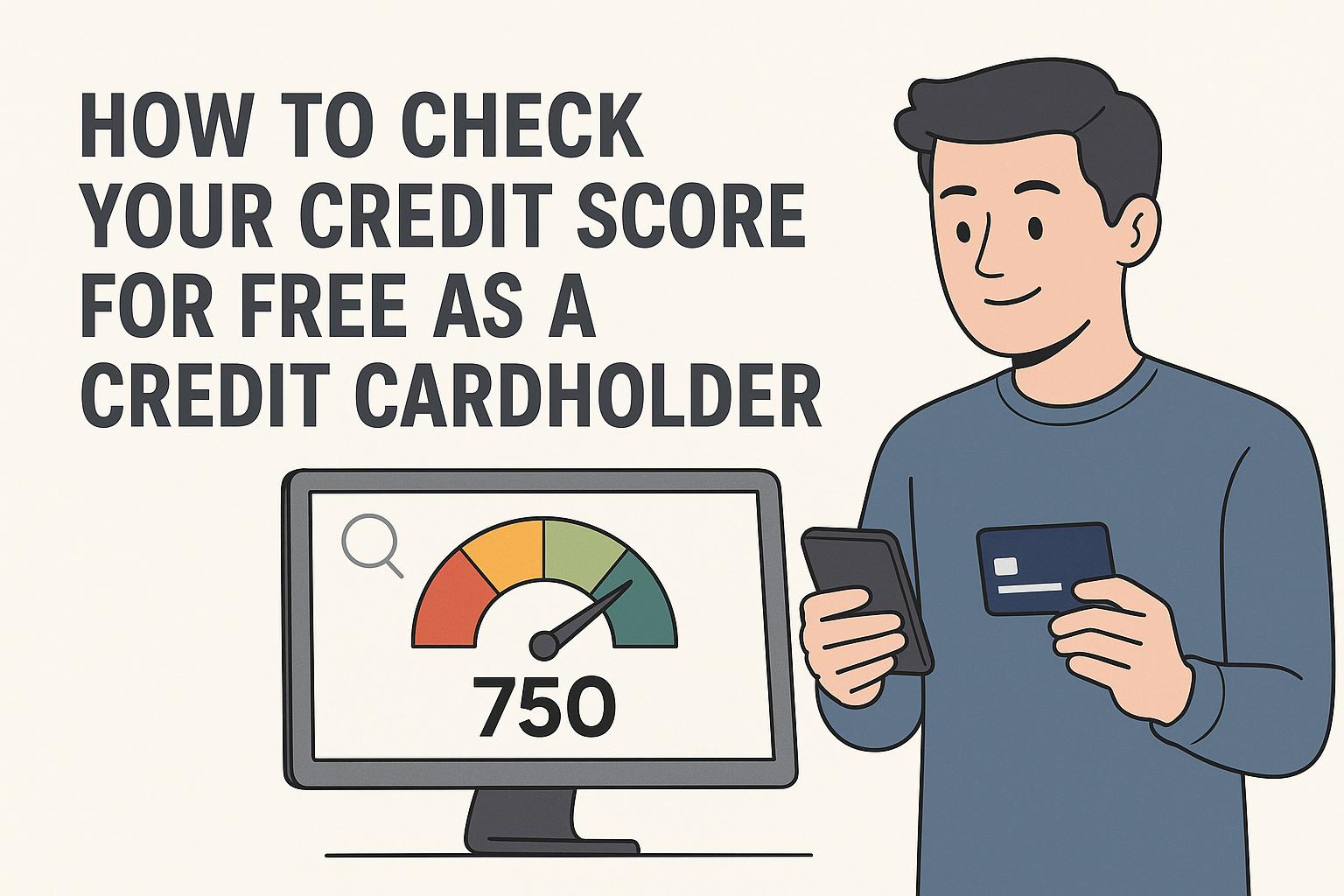
Many credit card issuers offer the invaluable benefit of free credit score access to their customers. This benefit is designed to keep cardholders informed about their credit health. The service is accessible through the issuer’s website or accompanying mobile app, making it easy and convenient to check your score regularly. For instance, Discover provides the Discover Credit Scorecard, which allows users to check their FICO score at no cost. Similarly, Capital One offers a service known as CreditWise. These tools not only display your credit score but also provide insights into factors affecting it.

To access your credit score through your credit card issuer, follow these straightforward steps:

  • Log into your credit card account via the issuer’s website or mobile application.
  • Locate a section titled credit score, financial insights, or my credit.
  • Follow the link provided to review your credit score and related details.

This approach is beneficial for regular monitoring of your credit standing, which can empower you to make informed financial decisions and manage debts more effectively.

Using Free Credit Monitoring Services

Beyond services offered by credit card companies, several independent platforms provide free access to your credit score and offer valuable insights into your credit history. These platforms include Credit Karma and Experian, both of which are popular for their user-friendly interfaces and comprehensive analysis of credit health. These platforms often provide additional features such as credit alerts, which notify you of changes in your credit report, and recommendations for improving your credit score.

To benefit from these services, you need to:

  • Visit the chosen service’s website.
  • Register by providing personal information such as your name, address, and Social Security number to establish an account.
  • Access your credit score and explore the array of tools available, such as report analysis and personalized credit improvement tips.
Requesting a Free Annual Credit Report

Alongside accessing your credit score, you have the right to request a free credit report annually from each of the three primary credit reporting agencies: Equifax, Experian, and TransUnion. This entitlement is facilitated by the website AnnualCreditReport.com. The credit report provides detailed insights into your credit activities, including your borrowing and repayment history, which can be instrumental in spotting irregularities or identifying areas for improvement.

To request your free credit report:

  • Navigate to the official Annual Credit Report website.
  • Complete the provided form with basic personal information necessary for report retrieval.
  • Select from which credit bureau you wish to obtain your report.

Regular scrutiny of your credit report not only helps in verifying the accuracy of information recorded under your name but also aids in early detection of possible fraud or identity theft.

Tips for Maintaining a Healthy Credit Score

Once you gain access to your credit score and report, the next logical step is to strategize how to maintain or improve your credit health. A healthy credit score is reflected through consistent, responsible credit management which involves several key practices:

1. **Credit Utilization**: Aim to keep your credit utilization ratio below 30%. This practice involves maintaining a balance between your credit limits and the amounts you owe.

2. **Timely Bill Payments**: Ensure you’re paying your bills on time. Late payments can have a significant negative impact on your credit score.

3. **Avoid Excessive Debt**: Resist the temptation to carry large balances across multiple accounts. Managing fewer debts demonstrates financial responsibility.

4. **Regular Monitoring**: Continuously check your credit score and report. Regular monitoring helps in quickly identifying inaccuracies or fraudulent activities, allowing prompt corrective actions.

Through disciplined financial habits and leveraging the free resources available to monitor your credit, you can effectively manage your credit health, achieve your financial goals, and enjoy peace of mind.
The benefits of keeping a credit card open for a long time

The benefits of keeping a credit card open for a long time

The Impact on Credit Score

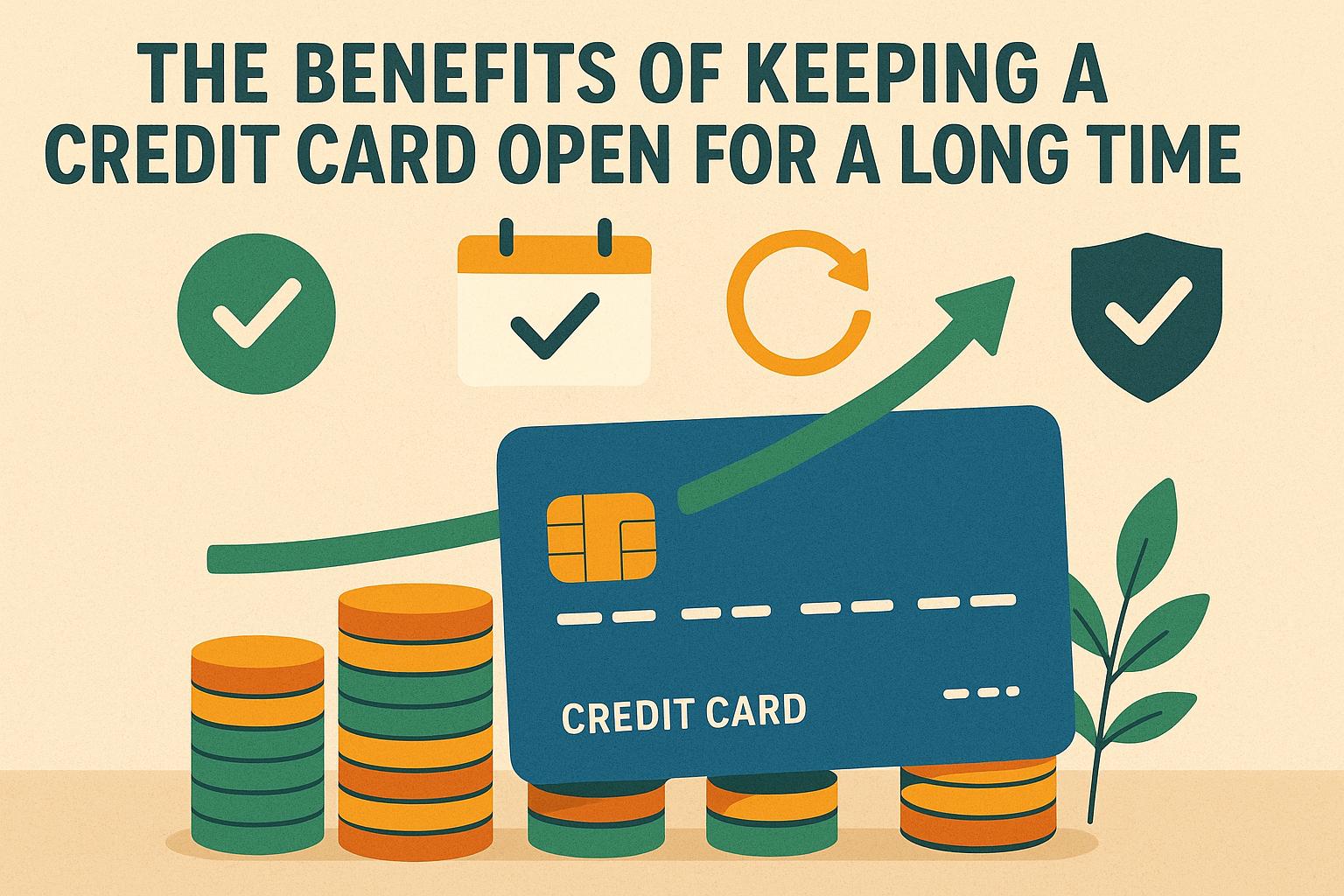
Managing a credit card effectively has many implications for your financial health, particularly concerning your credit score. Keeping a credit card open over an extended period can have a constructive impact on your credit report, primarily because credit scoring models, like those employed by the major credit bureaus, indeed regard the length of your credit history significantly in their calculations. A prolonged credit history serves as an indicator of stability and responsible credit management, presenting a positive image to potential lenders.

Average Age of Accounts

A critical component of your credit history is the average age of your credit accounts. Opening new accounts frequently or closing existing ones can lower this average age. Therefore, maintaining an open credit card can enhance the average age of your accounts. This is particularly relevant as credit history length contributes to approximately 15% of your overall credit score, demonstrating its significance in the broader credit scoring model. By allowing accounts to age, you present a stable financial portrait to credit assessors.

Credit Utilization Ratio

The credit utilization ratio is another pivotal factor impacting your credit score. Essentially, this ratio reflects the proportion of your credit in use compared to the total credit available to you. By keeping credit cards open and maintaining a low balance relative to your credit limit, you effectively lower your credit utilization ratio. A reduced ratio is viewed favorably by lenders because it suggests that you are not reliant on credit to manage your finances, but rather use it judiciously, which portrays financial prudence.

Maintaining a Diverse Credit Mix

Having a varied credit mix is advantageous as well in credit scoring. Credit scoring models typically prefer a balance of credit account types, including both installment loans and revolving credit accounts such as credit cards. By keeping a credit card open, you contribute to this diversity, demonstrating to lenders that you have experience and capability in managing different types of credit products responsibly. This diversity enriches your credit profile, potentially leading to more favorable assessments by lenders when evaluating credit applications.

Potential Cost Savings

Beyond credit scoring, leaving a credit card open could yield cost-saving opportunities. Numerous credit cards offer reward schemes, including cashback, travel points, or special discounts. By keeping an account open, you enable persistent access to these benefits, assuming wise use and timely repayment of balances to prevent incurring interest charges. Over time, these rewards can accumulate to significant savings, effectively reducing the costs associated with maintaining credit cards.

Avoiding Negative Implications

Closing a credit card, especially one with a long-standing history, might negatively affect your credit profile by reducing your total available credit, consequently elevating your credit utilization ratio. Furthermore, closing accounts can lower the average age of your credit accounts, affecting the length of your credit history adversely. It’s prudent to weigh these potential impacts carefully. For readers seeking more comprehensive guidance on managing credit cards to sustain a robust credit score, resources from financial institutions or credit counseling services can offer valuable insights.

Conclusion

To conclude, keeping a credit card open for a long duration can be beneficial on multiple fronts. It can have a positive effect on your credit score, contribute to a diversified credit mix, and also potentially offer economic rewards. Responsible credit card management is imperative, as strategic oversight of credit card accounts has far-reaching implications for your overall financial well-being. For those eager to delve deeper into credit score improvement and maintenance strategies, exploring resources from financial experts or credit bureaus would be advantageous. Engaging with such materials can enhance understanding and enable informed financial decisions in managing personal credit health.

How to close a credit card account without affecting your credit

How to close a credit card account without affecting your credit

Understanding the Impact of Closing a Credit Card

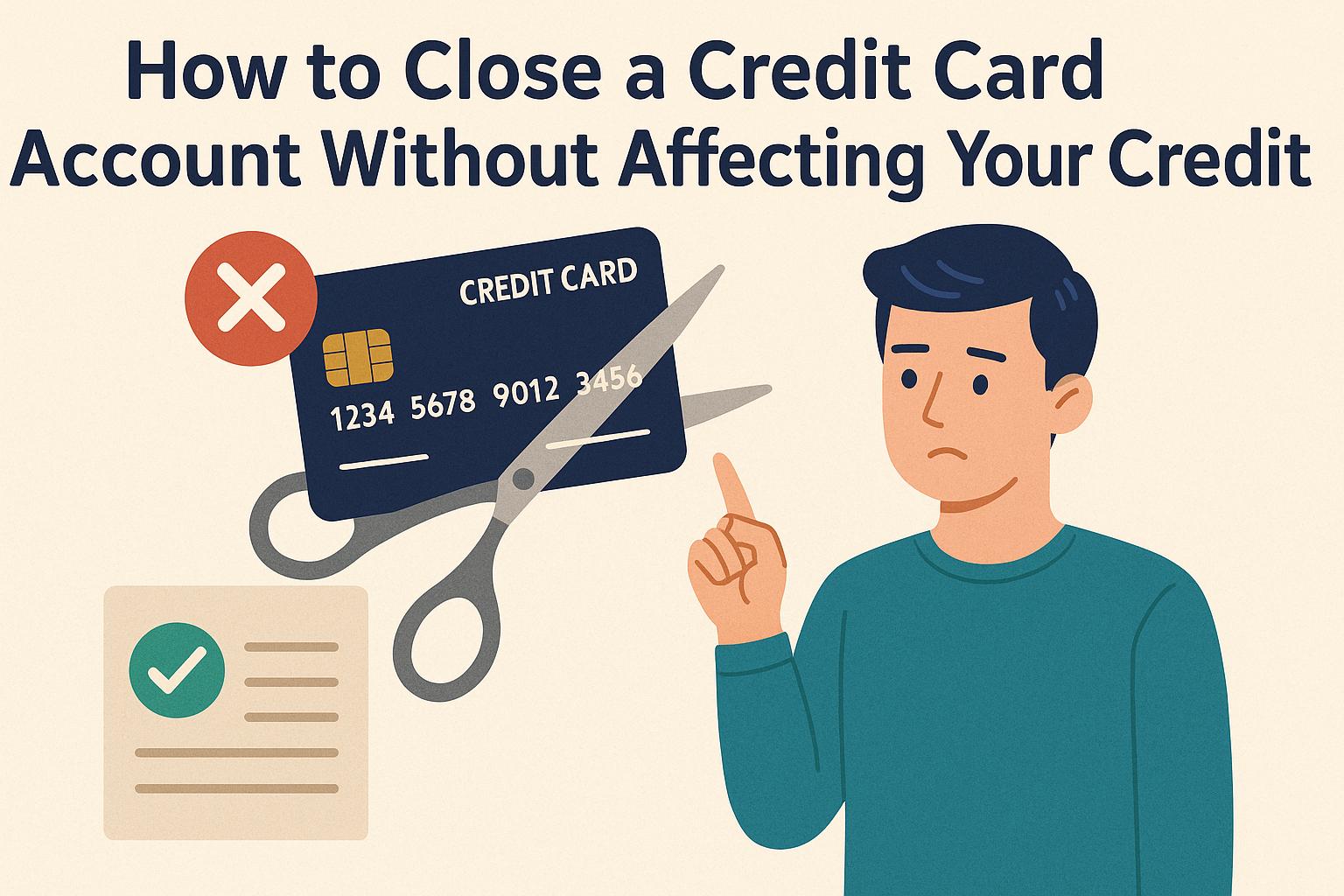
Closing a credit card account is a significant financial decision that can have various implications, particularly for your credit score. It’s essential to understand how this act can alter your credit profile. The primary areas of concern when closing a credit card are its effects on your credit utilization ratio and the average age of your credit accounts. Grasping these concepts is crucial for making informed decisions about your credit health.

Credit Utilization Ratio

The credit utilization ratio is one of the most critical components of your credit score. It refers to the amount of credit you are using relative to your total available credit. Ideally, maintaining this ratio below 30% is recommended to preserve a healthy credit score. For instance, if your total credit limit across multiple cards is $10,000, you should aim to keep your credit usage below $3,000. When you close a credit card account, you reduce your overall available credit. This can inadvertently increase your utilization percentage if there are existing balances on other cards, potentially leading to a lower credit score.

Average Age of Credit Accounts

Another key factor in your credit score calculation is the average age of your credit accounts. The average age takes into account all your active credit lines and can significantly influence your creditworthiness. The older your credit history, generally, the more favorable it is perceived by lenders. Consequently, closing a credit account, especially an older one, can decrease the average age of your accounts, possibly impacting your credit score negatively. Therefore, it’s wise to retain older accounts open when feasible, as long as they do not incur large fees or unmanageable terms.

Steps to Close a Credit Card Account Wisely

If you decide that closing a credit card is the best course of action for your financial situation, there are certain steps you should follow to minimize any adverse effects.

Ensure a Zero Balance

Before closing the card, it’s imperative to ensure the account balance is fully paid off. A zero balance is essential to prevent any future interest charges or fees that might accrue after the account closure. It also simplifies the closure process and ensures financial peace of mind.

Use Remaining Rewards

Many credit cards offer rewards such as cash back, points, or travel miles. Before initiating the closure of a card, it is prudent to redeem these rewards. Failure to do so usually results in the forfeiture of unused rewards once the account is sealed. Thus, redeeming the rewards ensures you receive the benefits you’ve earned without loss.

Contact the Card Issuer

Once you’ve settled the balance and utilized the rewards, the next step is to contact the card issuer directly. Use the customer service number found on the back of the card to request account closure. During this conversation, confirm that the account is being closed with a zero balance. For your records, request a confirmation number or an official email confirming the closure.

Monitor for Any Remaining Charges

After the closure, vigilance is crucial to ensure that no residual charges appear. Regularly monitor your email and account statements to verify that all transactions are honored and no automated payments or pending transactions occur post-closure. Keeping tabs on this can prevent unexpected debt from reappearing.

Alternatives to Closing a Credit Card

If you are concerned about potential negative effects on your credit score from closing an account, there are alternative courses of action you can consider that may align better with your financial goals.

Downgrade the Card

Many card issuers provide an option to downgrade your card. This involves retaining the account while switching to a version with no annual fee or altered terms that might better suit your current financial situation. This method helps maintain account age and credit line availability without incurring ongoing fees.

Keep the Card for Occasional Use

Another viable alternative is to retain the card for occasional use, particularly if it has no annual fee. By making small purchases periodically and paying off the balance immediately, you can keep the account active. This practice helps preserve your credit history and score, providing a manageable and convenient way to maintain financial flexibility without accumulating additional debt.

In considering whether to close a credit card or explore alternative options, it is essential to review your personal financial situation and future plans carefully. The choices you make regarding your credit cards can significantly affect your credit health and overall financial stability. Remember to weigh the pros and cons of each option and consult financial advisors if needed to make informed decisions.

For more in-depth financial tips and guidance, please visit our website.

How to use a credit card for recurring payments

How to use a credit card for recurring payments

Understanding Recurring Payments

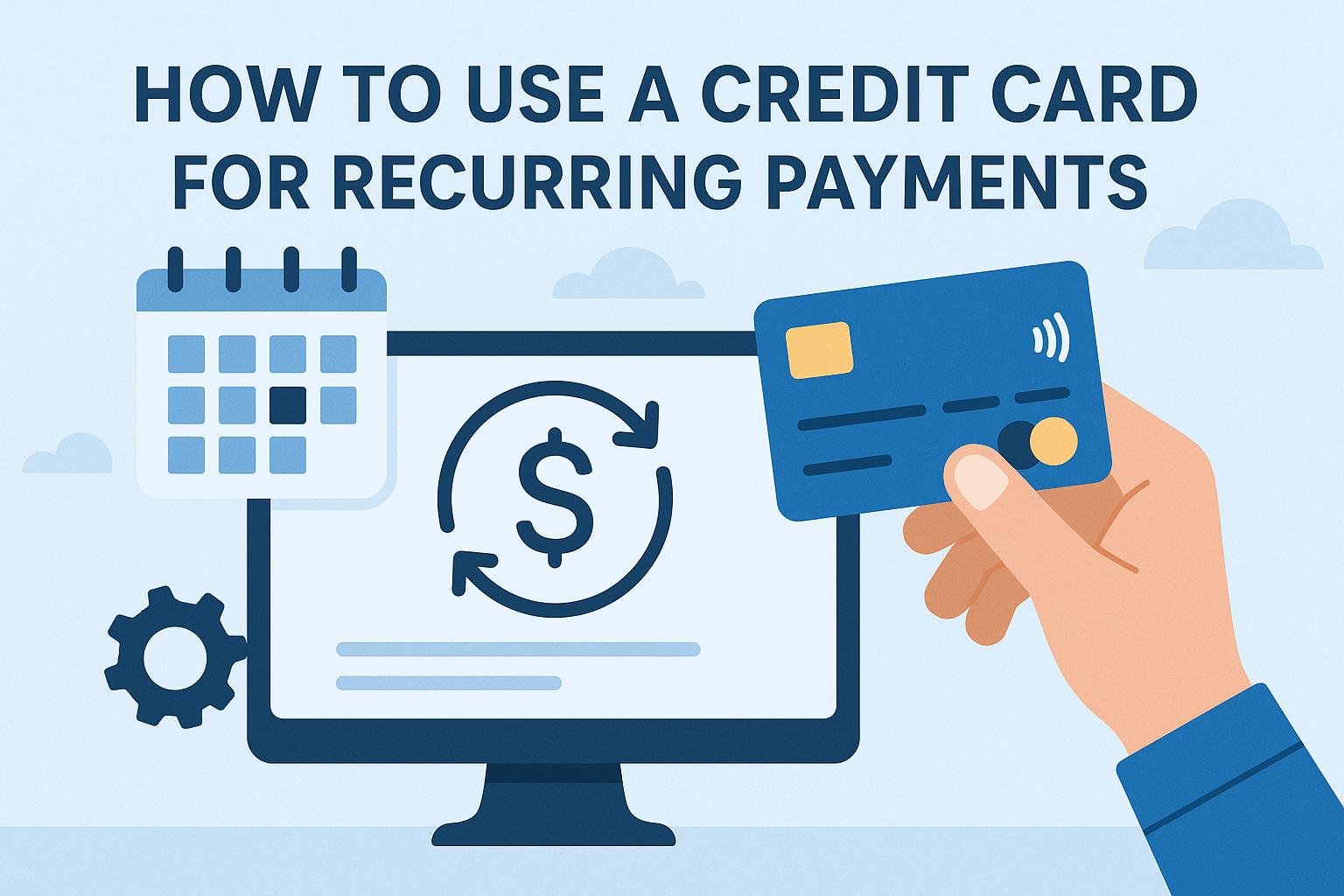
Recurring payments are a significant element of modern financial management, particularly convenient in our fast-paced world. They involve the automatic deduction of funds from a credit card at regular, predefined intervals, generally monthly. This method is prevalent for managing payments related to subscriptions, memberships, or essential services such as utilities. When managed appropriately, these payments can not only simplify the payment process but also support effective personal budgeting strategies.

Choosing the Right Credit Card

Selecting an appropriate credit card is crucial when engaging with recurring payments. A vast array of credit cards exist, each offering distinct advantages tailored to varied spending behaviors. When choosing a card, it is beneficial to assess which one aligns with your spending habits and financial goals. Many credit cards provide added incentives for recurring payments, such as cash back or reward points. These incentives can accumulate over time, providing tangible benefits back to you. Moreover, it is advantageous to choose a card that features a sufficient credit limit. This ensures that you can comfortably manage and cover your monthly charges without risking maxing out your card.

Setting Up Recurring Payments

Embarking on the process of setting up recurring payments with your chosen credit card is straightforward and involves several key steps:

  1. Initially, get in touch with the service provider to whom you will be making payments. Discuss your intention to charge payments automatically to your credit card.
  2. Next, you will be required to provide essential credit card details. This typically includes the card number, expiration date, and the CVV (Card Verification Value), which is a security feature for online transactions.
  3. Lastly, ensure that you clearly understand and verify the payment interval. This involves confirming that the recurring payment schedule aligns with your personal billing cycles, which helps in preventing any unexpected deductions.

Upon approval from the relevant service provider, the organization will then proceed to automatically debit the specified amount from your credit card at the agreed intervals.

Managing and Monitoring Payments

Effective management and diligent monitoring of your recurring payments are essential to maintaining accuracy and avoiding potential pitfalls. Regularly analyzing your credit card statements plays a significant role in this process. Here are several strategies to manage these payments effectively:

  • Check Statements: This is a crucial step where you should routinely review your credit card statements. This practice enables you to verify each charge, ensuring that only authorized transactions are being debited and helping to quickly identify any discrepancies.
  • Set Alerts: A number of credit card providers offer the useful feature of automated alerts. These alerts can notify you of upcoming payments due or when transactions are completed. This service proves invaluable in tracking your recurring expenses and maintaining an overview of your financial status.

Handling Changes and Cancellations

Occasionally, you might find it necessary to modify or cancel a recurring payment. Addressing these changes requires a structured approach:

  1. Begin by contacting the relevant service provider. Whether you wish to update your payment information or terminate the service entirely, clear communication with the provider is essential.
  2. Following this, confirm these changes with your credit card issuer. This step ensures that the automatic payment has been updated or discontinued as per your request. It is vital for maintaining the integrity of your financial records.

As a best practice, it is advisable to document all communications with service providers. Keeping records not only acts as a reference for future inquiries but also can serve as proof in case of any disputes.

Protecting Your Financial Information

The convenience of using a credit card for recurring payments is accompanied by the responsibility of safeguarding your financial details. Employing certain measures can help protect your sensitive information from unauthorized access:

  • Monitor Transactions: Regularly check your account activity to ensure that all transactions are authorized. This practice serves as an immediate red flag for any unauthorized or suspicious activity that might occur.
  • Use Secure Networks: Conduct any access to your financial data over secure internet connections. This reduces the risk of your information being intercepted by malicious entities online.
Conclusion

Incorporating a credit card into your routine financial management for recurring payments can significantly streamline how you handle your monetary obligations. Not only does this method simplify the logistics of managing payments and interactions with service providers, but it also offers the potential to accrue rewards over time. Ensuring the proper setup of these payments, coupled with consistent monitoring and safeguarding of your financial details, can lead to efficient and worry-free financial management. For more in-depth advice on credit card management and financial planning, consider exploring resources such as NerdWallet or Bankrate.