The importance of comparing credit card fees before applying

The importance of comparing credit card fees before applying

Understanding Credit Card Fees

When applying for a credit card, it’s crucial to understand the various fees that may apply. These fees can significantly impact the total cost of using a credit card, often making what seems like a good deal more expensive over time. Taking the time to compare credit card fees can help you avoid unexpected charges and make a more informed financial decision.

Types of Credit Card Fees

Credit card fees come in several forms, each affecting your financial experience in different ways. Let’s delve deeper into the different types of fees that are commonly associated with credit cards.

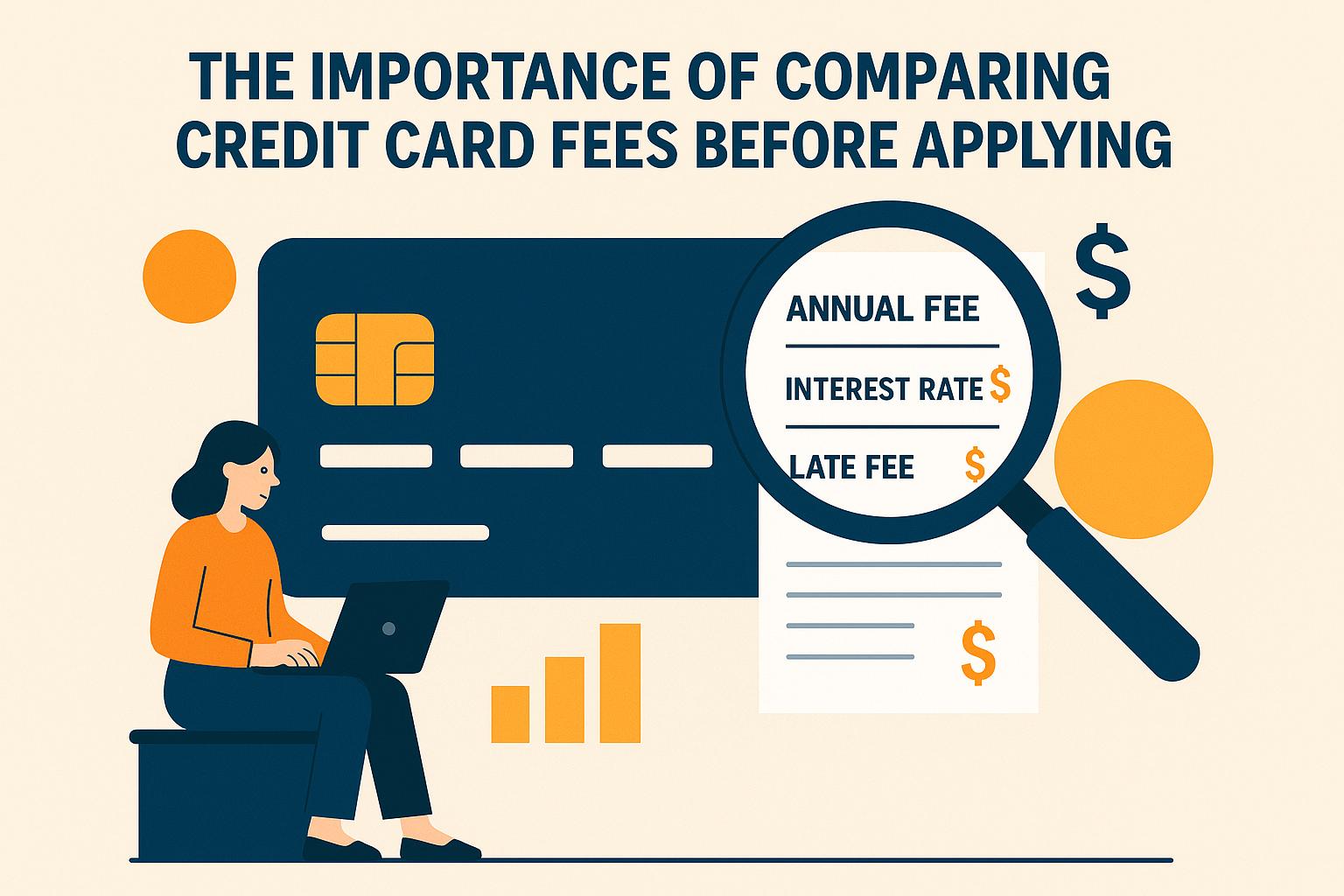
Annual Fees: Many credit cards charge an annual fee merely for the privilege of holding the card. This fee can vary greatly from one card to another, ranging from zero to several hundred dollars. Some credit card issuers waive this fee for the first year, providing an initial incentive to attract new customers. However, it’s important to consider how the fee aligns with the benefits provided by the card.

Interest Rates: While not a fee in the traditional sense, the interest rate is a pivotal factor that significantly impacts the overall cost of carrying a balance on a credit card. Suppose you don’t pay off your balance in full each month. In that case, a higher interest rate can lead to substantial additional charges. Understanding the annual percentage rate (APR) and how it applies to different types of transactions, such as purchases, balance transfers, and cash advances, is vital.

Late Payment Fees: Credit card companies often charge a late payment fee if you miss a payment or fail to pay at least the minimum amount by the due date. These fees can be quite hefty, and repeated late payments not only burden you with extra charges but also have negative implications for your credit score. Maintaining a good payment history is essential for keeping borrowing costs low and preserving creditworthiness.

Foreign Transaction Fees: If you use your credit card to make purchases in a foreign currency or while traveling internationally, many banks will impose a foreign transaction fee. This fee is typically a percentage of the transaction, often between 1-3%, which can add up if you frequently travel or purchase from international vendors. Choosing a card with no foreign transaction fees can result in significant savings for globetrotters.

Promo Rates and Other Charges

Credit card offers can sometimes come with enticing promotional rates. These promotions, such as 0% interest for a specified period, can provide substantial savings initially. However, it’s crucial to understand what the rate will be once the promotional period concludes. Missing payments or carrying a balance past this period can lead to high-interest charges.

Additionally, be aware of balance transfer fees. While transferring a balance can help consolidate debt, fees for doing so may offset the savings from lower interest rates. It’s also important to consider cash advance fees, which apply when you use your credit card to withdraw cash. These fees, along with the typically higher interest rates for cash advances, make them an expensive option.

Penalties for exceeding your credit limit are another critical consideration. Some cards may impose fees if you go over your credit line, while others may simply decline transactions. Understanding your card’s terms and how limits are enforced can prevent unnecessary expenses.

Comparing Credit Card Offers

When comparing credit cards, it’s imperative to scrutinize the terms and conditions for all fees and charges. Many banks and financial institutions provide this information on their websites, making it easier for consumers to make comparisons. Some websites also offer tools that allow you to compare credit card offers side by side, highlighting key differences such as fees and interest rates.

Evaluating credit card offers involves more than just comparing fees. Consider the rewards and benefits, such as cashback, travel miles, or points, which might offset some of the costs. Also, explore the card’s compatibility with your lifestyle and spending habits.

The Importance of Reading the Fine Print

No matter how attractive a credit card offer may seem, always read the fine print to ensure you understand all potential costs. Hidden fees and charges often lurk in the details and can impact your financial situation. Understanding these terms enables you to make informed choices.

Moreover, keep in mind that introductory offers often have terms that require you to meet specific criteria, such as spending a certain amount within a given timeframe to earn rewards bonuses. Not meeting these criteria can affect the overall value of the card.

Taking the time to understand and compare credit card fees can help you select the right card for your needs. By doing so, you can avoid unnecessary expenses and ensure that your credit card works for you, not against you. Whether you’re a frequent traveler, a dedicated shopper, or someone building credit, choosing the right card requires a prudent evaluation of costs and benefits.

In conclusion, understanding credit card fees empowers you to make sound financial decisions. With careful consideration and comparison, you can maximize the benefits of your credit card while avoiding unexpected charges that could affect your financial well-being.
What is a charge card, and how does it differ from a credit card

What is a charge card, and how does it differ from a credit card

Understanding Charge Cards

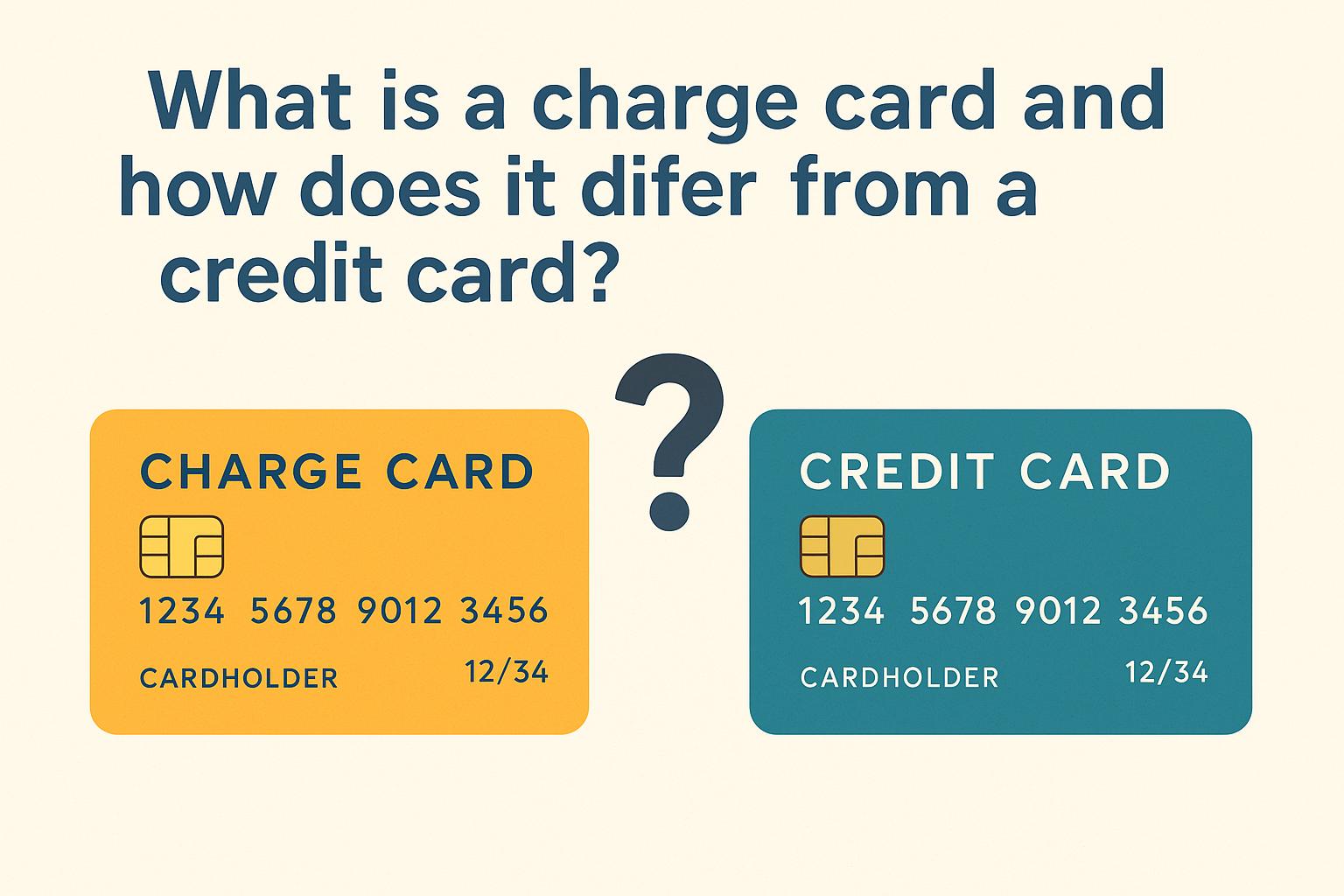
Charge cards are a distinctive type of payment card that enable you to make purchases and settle the payment in full at the end of each month. Unlike traditional credit cards, charge cards do not have a predetermined credit limit. This can offer greater flexibility, but it comes with the responsibility of paying the balance in full when the due date arrives.

How Charge Cards Work

The fundamental operation of charge cards involves the requirement for the cardholder to pay off the entire balance each month. If the cardholder fails to do so, it often results in a significant late fee and might adversely affect their credit score. The mandatory monthly payoff of the balance means charge cards are typically less susceptible to debt accumulation compared to credit cards. As a consequence, they can be beneficial for those seeking to avoid the pitfalls of debt that might arise from revolving credit.

Key Distinctions Between Charge Cards and Credit Cards

Credit Limit

Charge Cards: They usually do not come with a specified credit limit. This absence of a set limit allows cardholders to spend in a way that aligns with their income and spending habits. However, this flexibility comes with the obligation to manage one’s finances proficiently.

Credit Cards: In contrast, credit cards are issued with a designated credit limit. This specified limit dictates the maximum amount that cardholders can spend. Spending beyond this limit might lead to incurred fees or declined transactions, serving as a boundary for financial planning.

Payment Requirements

Charge Cards: These cards require the full balance to be cleared every month, thereby preventing the accrual of debt since the balance cannot be carried over to the following month.

Credit Cards: Offer cardholders the option to make minimum payments. This means that the remaining balance can roll over month to month, often incurring interest on the unpaid amounts. This provides greater short-term flexibility at the potential cost of accruing interest.

Interest Rates

Charge Cards: Generally, they do not charge interest, given that balances must be paid in full each month. This aspect is beneficial for those looking to avoid interest fees altogether.

Credit Cards: Typically, they charge interest on any overdue balance after the grace period. This interest can compound, potentially increasing the total amount owed significantly if not managed wisely.

Pros and Cons of Charge Cards

Pros

Spending Flexibility: Without a preset spending limit, charge cards can offer spending flexibility that’s tailored based on the cardholder’s usage and repayment history.

Interest-Free Usage: Since there are no residual balances, users can entirely avoid interest charges by following the payment guidelines.

Cons

Full Payment Requirement: The necessity to clear the entire balance each month may pose a challenge for some. This requires disciplined financial management, as there’s no option to carry over some of the balance to the next month.

Limited Availability: Unlike credit cards, charge cards are not as widespread and the criteria for approval can be more stringent. This might make them less accessible to a broader audience.

Conclusion

Both charge cards and credit cards serve the primary purpose of facilitating transactions, but they cater to different financial preferences and strategies. Charge cards are tailored for disciplined spenders who can manage to pay off their balance monthly. This lack of interest charges can be attractive to some users. On the other hand, credit cards offer more flexibility with the option to carry a balance from one month to the next, though this comes with the potential cost of incurring interest fees. It’s essential to understand these differences to select the right financial tool that aligns with your spending habits and financial management goals.

Another consideration is the rewards programs that many credit and charge cards offer. Although not universal to all charge cards, some do provide enticing reward structures, allowing users to accumulate points or cash back based on their spending. These rewards can be an additional benefit for those who diligently pay off their balances each month.

Additionally, it’s worth noting the impact of these cards on your credit score. Regular and responsible use of a charge card, with timely full payments, can boost your credit score over time. However, missing payments or failing to settle the balance can conversely lead to penalties and a decrease in your creditworthiness.

Choosing between a charge card and a credit card depends largely on personal fiscal discipline and the ability to pay off balances routinely. For individuals who are accustomed to maintaining a stricter budget and can predict and cover their monthly expenditures without carrying a balance, a charge card could be beneficial. Such individuals can leverage the absence of credit limits while avoiding interest charges.

In contrast, those who prefer the flexibility of carrying a balance and appreciate the option of spreading expenses over several months might lean towards credit cards. These cards can be particularly useful for managing cash flow inconsistencies or larger expenses that require distribution over an extended period.

It is also essential for potential cardholders to consider the fees associated with these cards. Many charge cards carry annual fees, which might not always be justified unless the cardholder fully utilizes the associated benefits and rewards. Thus, a careful analysis of the related costs and advantages is crucial.

Furthermore, the prestige associated with some charge cards, often seen as a status symbol, holds value for some consumers. They often come with premium benefits, including personalized customer service or access to exclusive events, which can enhance the cardholder’s experience beyond the realm of regular transactions.

In conclusion, understanding the unique features and requirements of both charge cards and credit cards enables cardholders to make informed decisions that align with their financial preferences and responsibilities. Whether you value the disciplined approach of a charge card or the flexibility of managing rolling balances via a credit card, knowledge is the key to maximizing the benefits and rewards these financial tools offer.

The impact of credit card inquiries on your credit score

The impact of credit card inquiries on your credit score

The Impact of Credit Card Inquiries on Your Credit Score

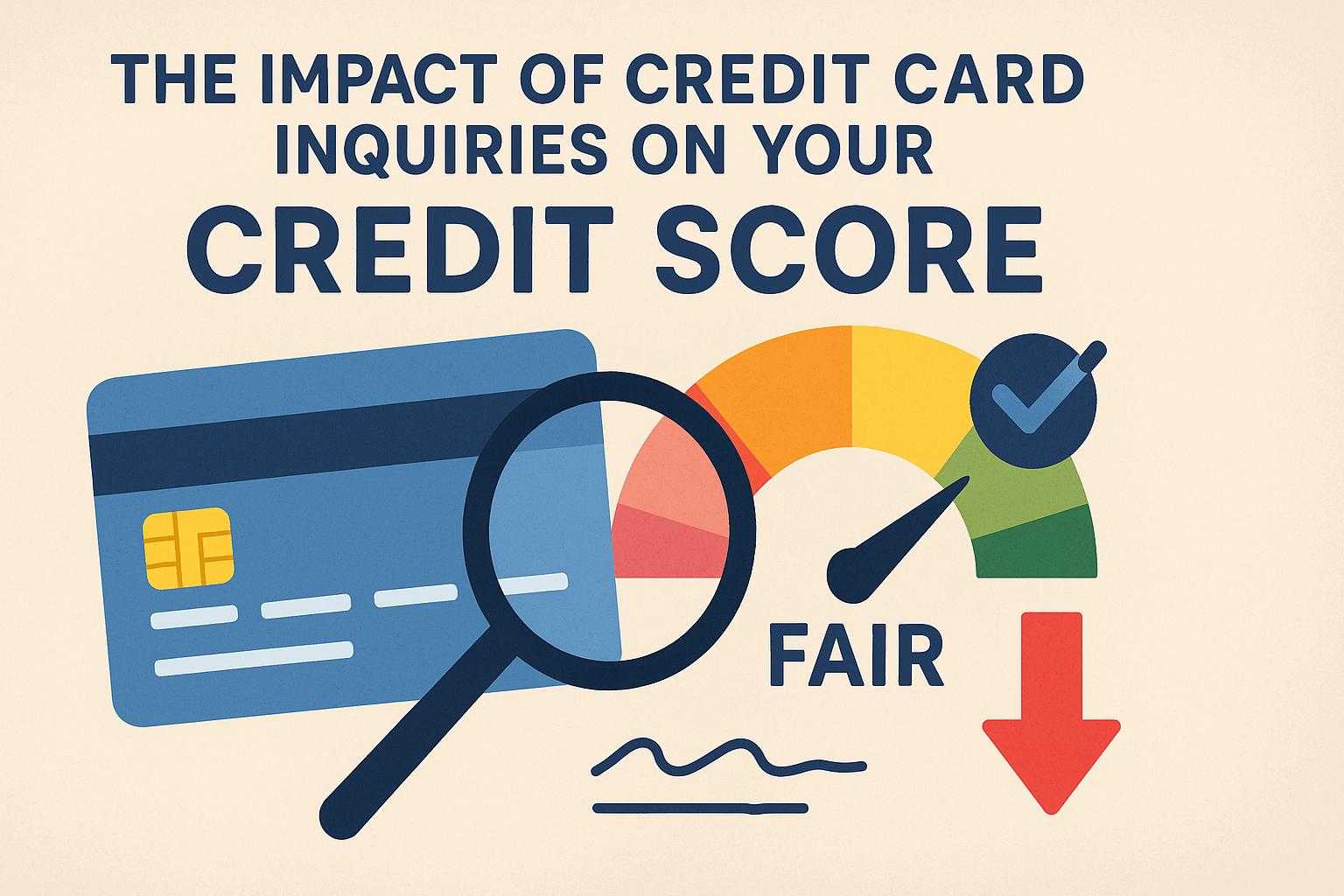
When it comes to managing your credit score, a clear understanding of the various actions that impact it is crucial. Specifically, credit card inquiries play a significant role in shaping your credit story. Lenders perform these inquiries when they review your credit history prior to approving a new line of credit or a loan. Though these inquiries are a normal part of the borrowing process, it’s important to recognize their varying impacts on your overall credit score.

Types of Credit Inquiries

Credit inquiries fall into two main categories: hard inquiries and soft inquiries. Knowing the distinction between the two can help you better manage your financial habits.

Hard inquiries occur when a financial institution reviews your credit report to make lending decisions. Common scenarios include applying for a new credit card, a mortgage, or an auto loan. Because these inquiries imply you are seeking additional credit, they have the potential to impact your credit score negatively. Each hard inquiry might slightly reduce your score, although the effect is seldom more than a five-point drop.

Conversely, soft inquiries do not affect your credit score. These come into play when you check your own credit score or when a lender conducts a pre-approval check for a loan or credit card without your request. Additionally, existing creditors may review your report now and then, all categorized under soft inquiries. Such inquiries are visible only to you and are not accessible to potential lenders.

How Hard Inquiries Affect Your Credit Score

In the realm of credit score calculations, hard inquiries account for approximately 10% of the total score, contributing to what is labeled as “new credit.” While a single inquiry usually has a minimal effect, reducing your score by less than five points, accumulating several inquiries over a short period can considerably influence your score.

Time Frame and Deduplication

When shopping for particular loans such as mortgages, auto loans, or student loans, multiple inquiries within a condensed period are often treated as a singular inquiry. This principle is known as deduplication and applies within 14 to 45 days, depending on the scoring model in use. Deduplication allows prospective borrowers to search for optimal rates without causing a disproportionately negative impact on their credit scores.

Duration of Impact

The effect of hard inquiries on your credit score is not everlasting. Although they remain on your credit report for up to two years, their influence is typically limited to the first 12 months. As time passes, the impact lessens, gradually fading from its initial significance.

Best Practices to Manage Credit Inquiries

While hard inquiries are an element of maintaining healthy credit usage, it is wise to limit new credit applications. Here are some practical guidelines for managing inquiries effectively:

Be Selective in Applications: Before applying for new credit, assess your needs carefully. Conduct thorough research to ensure you target your applications to lenders or areas that match your current financial goals and requirements.

Timing for Rate Shopping: When searching for loans, aim to conduct your rate comparisons within a condensed time period. This approach minimizes the impact of hard inquiries by leveraging deduplication.

Regular Credit Report Reviews: Monitor your credit report periodically to verify the accuracy of the inquiries recorded. This practice ensures you remain aware of your credit standing and can confirm all inquiries are legitimate, offering you peace of mind and control over your financial health.

Obtaining additional information and guidance on effective credit management can further empower you to maintain or improve your credit health. Visiting resources like Experian and Equifax can provide you with valuable insights and tools to enhance your knowledge and application of credit management strategies.

In conclusion, awareness of how credit inquiries impact your credit score is essential for making informed financial decisions. By applying the principles and practices outlined, you can confidently navigate the credit landscape, ensuring your actions positively influence your credit profile over time.

How to use credit cards to earn travel benefits

How to use credit cards to earn travel benefits

The Basics of Earning Travel Benefits with Credit Cards

When used strategically, credit cards can be a powerful tool for earning travel benefits. By understanding how to leverage features such as rewards programs, sign-up bonuses, and travel perks, you can significantly reduce your travel costs and even enjoy luxury experiences for less.

Understanding Rewards Programs

Many credit cards offer rewards programs that allow you to earn points or miles for every dollar spent. These points can often be redeemed for travel-related expenses, such as flights, hotel stays, and car rentals. It is essential to choose a credit card with a rewards program that aligns with your spending habits and travel goals.

Key Points to Consider:

Types of Rewards: There are different types of reward systems offered by credit cards. Some cards provide points, while others accumulate airline miles or hotel points. It is crucial to determine which type aligns best with your travel preferences. For instance, if you are a frequent flyer with a particular airline, a card that earns airline miles might be more beneficial. On the other hand, if you prefer flexibility in your travels, opting for a card that earns more general points could provide you with varied redemption opportunities.

Redemption Options: When considering a rewards program, it’s important to review how flexible the redemption options are. Ideally, you should choose a program that allows you to use points for a variety of travel expenses. The most versatile programs might let you redeem points for flights, hotel stays, car rentals, or even experiences and excursions. Look for any restrictions on redemptions, such as blackout dates, as these could limit your ability to use your rewards when you want to.

Maximizing Sign-Up Bonuses

Many credit cards offer sign-up bonuses that can provide a significant boost to your points balance. These bonuses usually require you to spend a certain amount within the first few months of opening the card.

Tips for Maximizing Bonuses:

One primary strategy to maximize bonuses without incurring debt is ensuring you can meet the required spending threshold comfortably. Planning your application to align with upcoming major purchases can be particularly beneficial. For example, if you plan to make renovations in your home or have large business expenses, timing your credit card application to coincide with these purchases can help you meet bonus thresholds effortlessly. Always ensure that you can meet these requirements without straying into impractical financial decisions.

Time your application to align with major purchases or expenses to meet the spending requirement effortlessly. This strategic approach not only maximizes your bonus potential but helps integrate the spending into your budget without causing unnecessary financial strain.

Leveraging Travel Perks

Aside from earning points and miles, many travel credit cards offer additional travel benefits that enhance the overall travel experience. These may include airport lounge access, travel insurance, and priority boarding.

Consider These Additional Perks:

Airport Lounge Access: One valuable perk often provided by travel credit cards is access to airport lounges. These lounges offer a comfortable and calm environment in contrast to busy airport terminals. Amenities can include complimentary snacks and beverages, Wi-Fi, and quiet spaces to relax or work.

Travel Insurance: Another critical benefit of travel credit cards is travel insurance, which provides essential security against unforeseen travel disruptions. This may cover aspects like trip cancellations, lost luggage, or medical emergencies while traveling, offering peace of mind as you journey.

Priority Boarding: Priority boarding is another convenient perk that can make your travel experience more enjoyable. It typically allows you to board the plane ahead of most passengers, meaning you can secure space in overhead bins for your luggage and settle in sooner.

Strategies for Earning More Points

To maximize the travel benefits offered by your credit card, employ strategies that increase your points accumulation without increasing your spending unnecessarily. For instance, many cards provide extra points for certain categories, such as dining, travel, or groceries.

You can use your card strategically in these bonus categories to earn more points. Pay attention to any promotions your card provider offers where you can earn additional points, such as seasonal promotions or partnerships with specific retailers.

To further enhance your earning potential, consider combining credit card rewards with loyalty programs of airlines or hotels. Many credit cards affiliated with airline or hotel chains offer higher point accumulations when spending is done with those entities.

Be Mindful of Fees and Interest Rates

While travel credit cards offer excellent benefits, they often come with high annual fees and interest rates. Ensure the value you gain from rewards and perks exceeds the costs associated with the card.

Paying off your balance in full each month is vital to avoid interest charges, which can quickly outstrip the value of any rewards you’ve earned. Consider opting for a card with no foreign transaction fees if you travel internationally frequently.

Conclusion

By understanding the features and benefits travel credit cards offer, you can turn your everyday spending into a powerful tool for earning travel benefits. With strategic use and careful management, credit cards can play a significant role in making your travel more affordable and luxurious. Whether you’re looking for opportunities to experience new destinations or to travel in more comfort, using credit cards responsibly allows you to unlock numerous benefits. For more detailed tips and recommendations on specific cards, consider visiting dedicated financial advice websites like NerdWallet or The Points Guy to find the best card for your needs. These resources provide valuable insights and up-to-date information that can assist in making the most informed decision for your travel needs and financial situation.

The difference between rewards points and travel miles

The difference between rewards points and travel miles

Understanding Rewards Points and Travel Miles

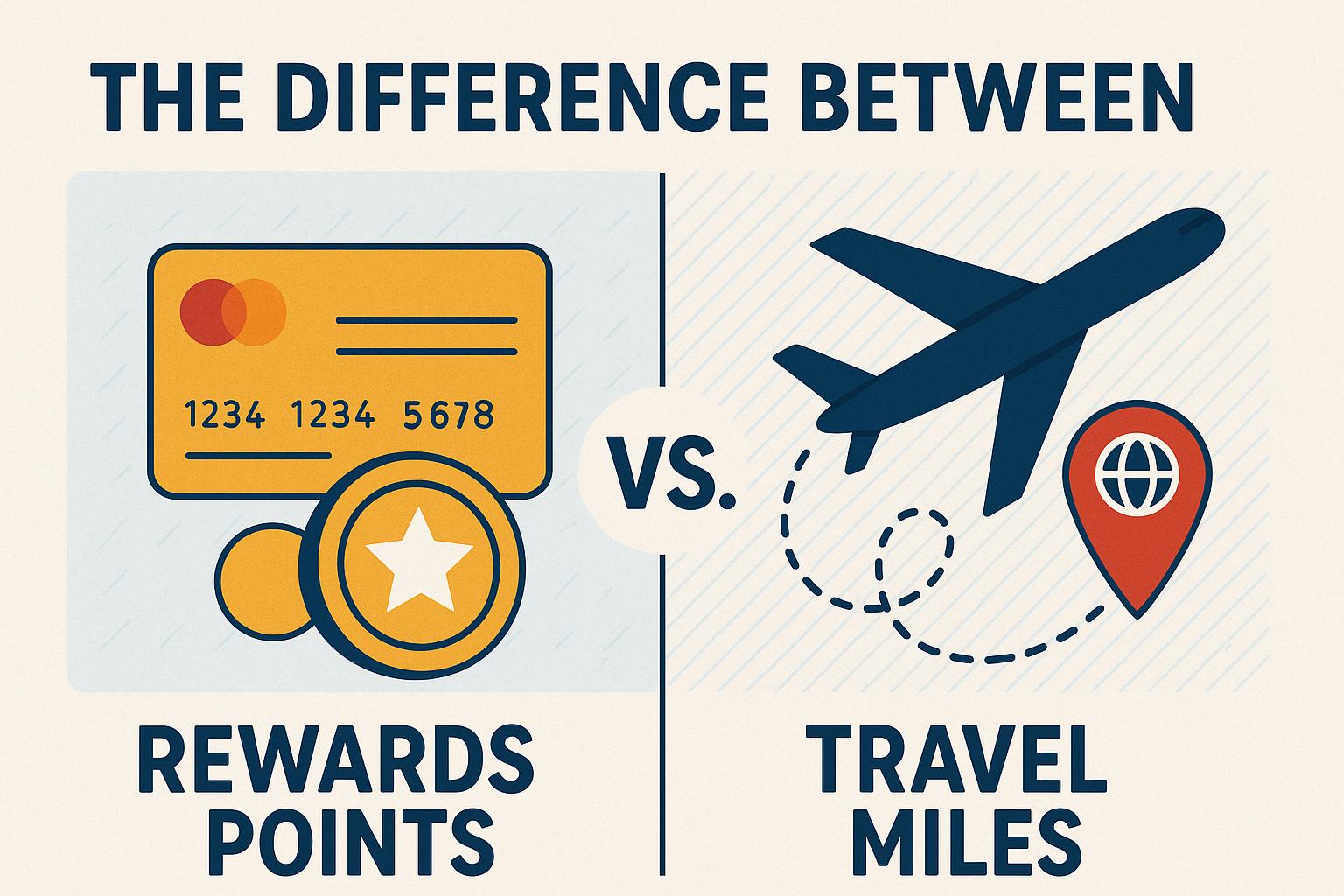
Rewards points and travel miles have become an integral part of financial and travel strategies, predominantly offered by credit card companies and airline loyalty programs. These incentives are designed to encourage customer engagement and spending by providing tangible benefits. While both rewards points and travel miles aim to enhance user experience and offer substantial rewards, there are critical differences in how they accumulate, how they can be redeemed, and their overall value. Understanding these differences is essential for consumers who seek to maximize the benefits from these loyalty programs.

Accrual Mechanisms

Rewards Points: Rewards points are typically accumulated through everyday purchases made with a credit card. Major financial institutions offer various rewards cards, each with different accrual rates linked to categories of spending such as groceries, dining, or fuel. Some credit cards might have partnerships with specific brands or retailers, providing bonus points for shopping within these networks. This system encourages consumers to integrate their credit cards into their daily transactions, gradually accruing points that can later be redeemed for various rewards.

Travel Miles: Travel miles, also known as frequent flyer miles, are primarily earned through air travel with a specific airline or a consortium of airlines that form an alliance. Passengers accumulate miles based on the distance traveled, the class of service, and sometimes the fare paid. Additionally, airlines often partner with credit card issuers to offer co-branded cards that allow users to earn miles not only on flights but also on other purchases. In such cases, additional incentives might be introduced to earn more miles on travel-related expenses, creating a comprehensive travel-centric rewards strategy.

Redemption Options

Rewards Points: One of the key advantages of rewards points is their broad range of redemption options. These points can be exchanged for diverse items including gift cards, electronics, and cash back. Many programs provide an online portal or app where users can easily browse and select options for redeeming their accumulated points. Travel-related purchases, such as booking flights, hotels, or car rentals, are often available, allowing users to leverage their points to offset travel costs. Some rewards programs also provide exclusive experiences, from concert tickets to curated travel packages, which might offer greater value in point redemption.

Travel Miles: The redemption of travel miles is typically focused on enhancing the travel experience. Miles can be used to book flights, seat upgrades, and other airline services. This offers travelers significant savings, especially when miles are used for premium cabins or long-haul flights. Airlines typically have a dedicated section on their websites for booking award travel, where travelers can seamlessly utilize their miles. Additionally, some programs allow miles to be transferred to partner hotel loyalty programs or used for ancillary travel-related costs. However, the flexibility in how miles can be redeemed often varies by airline, with some providing more varied options than others.

Value Considerations

Rewards Points: The value of rewards points can vary based on how they are redeemed. For instance, using points for statement credits or online shopping might offer less value per point compared to redeeming them for travel-related purchases or exclusive experiences that the program might offer. Therefore, it is critical for users to carefully review the terms and conditions of their rewards program to ensure they are achieving maximum value. Calculating the cost-benefit ratio of different redemption options can help users optimize their strategy and derive the most benefit from their points.

Travel Miles: The value of travel miles is often more complex to ascertain, as it is influenced by several factors, such as flight availability, class of travel, and destination. Generally, miles offer better value when used for premium class travel or international destinations. This is due to the higher cash value of these tickets, which translates to more value per mile. However, users need to be aware of potential pitfalls, such as restrictions or blackout dates, which airlines might enforce on award travel. Being strategic about booking can ensure travelers extract the most value from their miles.

Additional Differences

Beyond accrual and redemption, both rewards points and travel miles come with nuances that can affect a consumer’s strategy. Many programs set expiration dates for points and miles, necessitating a prompt approach to redemption to prevent the loss of accumulated rewards. Additionally, certain programs might impose fees for specific redemption actions or for maintaining an account, which can impact the overall benefit derived from the program. Staying informed about such terms is crucial for maximizing the benefits of these loyalty offerings.

In weighing the benefits and deciding between rewards points and travel miles, consumers can expand their understanding through detailed comparisons and expert advice. Trustworthy financial websites like NerdWallet or The Points Guy provide valuable insights. By understanding the distinctions and value propositions of rewards points and travel miles, consumers can tailor their spending strategies to optimize their returns, ultimately enhancing their financial and travel experiences significantly.