How to set spending limits on your credit card

How to set spending limits on your credit card

Understanding Credit Card Spending Limits

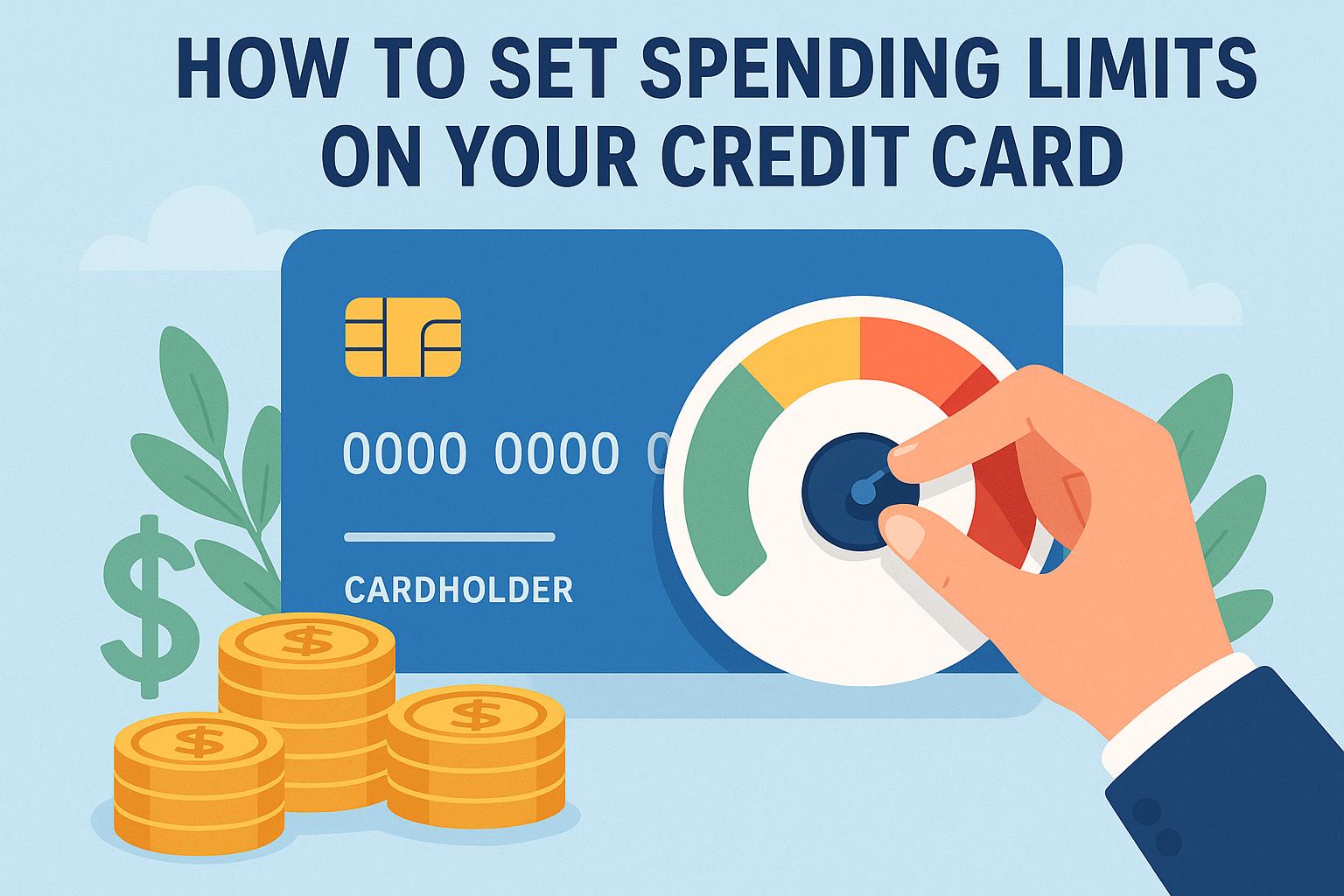
Credit cards are an integral part of modern financial management. They offer unparalleled financial flexibility and convenience, which can be invaluable in building credit histories and managing cash flows. However, without disciplined management, credit cards can lead to detrimental habits such as impulsive purchases and overspending. Setting appropriate spending limits on your credit card is a fundamental strategy to control expenses and adhere to your budget.

Benefits of Setting Spending Limits

Setting spending limits on your credit card offers a multitude of financial advantages. This strategic approach not only aids in controlling your finances but also safeguards your credit profile.

Risk Reduction: By capping how much you can spend, you inherently limit the potential for accumulating excessive debt. Credit cards can often encourage overspending, especially with the allure of credit points or cash back offers. A spending limit mitigates this risk by ensuring that you do not exceed your financial means.

Credit Score Improvement: Maintaining spending within a set limit can positively influence your credit score. This is because credit utilization, the ratio of your credit card balance to your credit limit, is a key factor in calculating your credit score. Setting a limit helps keep this ratio favorable.

Spending Practices: Setting limits fosters disciplined spending habits. Knowing that there is a cap encourages more thoughtful purchasing decisions and can prevent impromptu impulses that lead to financial regret.

Methods to Set Spending Limits

There are several ways to effectively set spending limits on your credit card. These methods can cater to your individual preferences and technological comfort.

Contacting Your Credit Card Issuer

One direct method of establishing spending limits is by communicating with your credit card issuer. Most credit card companies provide services that enable you to set specific limits on your card. These can be overarching limits for an entire billing cycle or specific caps for different types of spending categories, such as travel or dining.

Customizable Options: Credit card issuers often offer flexibility. Whether you want to limit discretionary spending or allocate different limits for varied spending categories, contacting your financial institution can provide solutions tailored to your needs.

Using Online Banking Platforms

In the digital age, managing financial transactions has become increasingly accessible. Most banks and credit card issuers have developed online platforms or mobile applications that allow you to effortlessly set and manage spending limits.

Convenient Management: These digital tools frequently offer real-time updates and customizable settings to help you adjust your limits as your financial situation evolves. The immediacy of such platforms helps in maintaining control over your credit usage.

Implementing Self-Imposed Limits

If your credit card issuer does not offer formal spending limit options, self-imposed limits can serve as an effective alternative. You can take control by manually monitoring your spending or utilizing budgeting tools and applications designed to send alerts when nearing a predefined limit.

Budgeting Tools: Various apps are available that can assist in monitoring expenditures. These tools often have features for flagging excessive spending and can be instrumental in sticking to self-imposed financial boundaries.

Monitoring and Adjusting Spending Limits

Once you have set a spending limit, it’s key to monitor and adjust it according to your financial status and lifestyle.

Regular Review

Consistent review of your spending habits is vital. As your financial needs and goals change over time, you might need to modify spending limits to remain aligned with your circumstances.

Adapting to Changes: Regularly examining your credit card statements and account activity ensures that spending limits remain both realistic and effective. This habitual review can aid in identifying areas of overspending or underutilization, prompting timely adjustments.

Using Automated Alerts

Many credit card providers offer services for sending automated alerts when spending approaches set limits. These can be invaluable in avoiding accidental overspending.

Preventive Measures: Alerts serve as reminders of your financial intentions and encourage you to reassess spending habits before it is too late. Receiving a notification when nearing a limit can prompt you to either curtail spending or reevaluate current expenses.

Conclusion

Implementing and maintaining spending limits on your credit card is a prudent financial strategy. It not only encourages responsible spending habits but also contributes to long-term financial health. By setting thoughtful limits, you take an active role in managing your finances rather than allowing external factors to dictate your spending.

This proactive measure can enhance your overall financial management, ensuring that you are better equipped to navigate financial challenges. Should you wish for further guidance on managing personal finances, consider exploring trusted financial education resources or consulting directly with your bank for advice tailored to your specific financial landscape.
The benefits of using credit cards for online shopping

The benefits of using credit cards for online shopping

Introduction

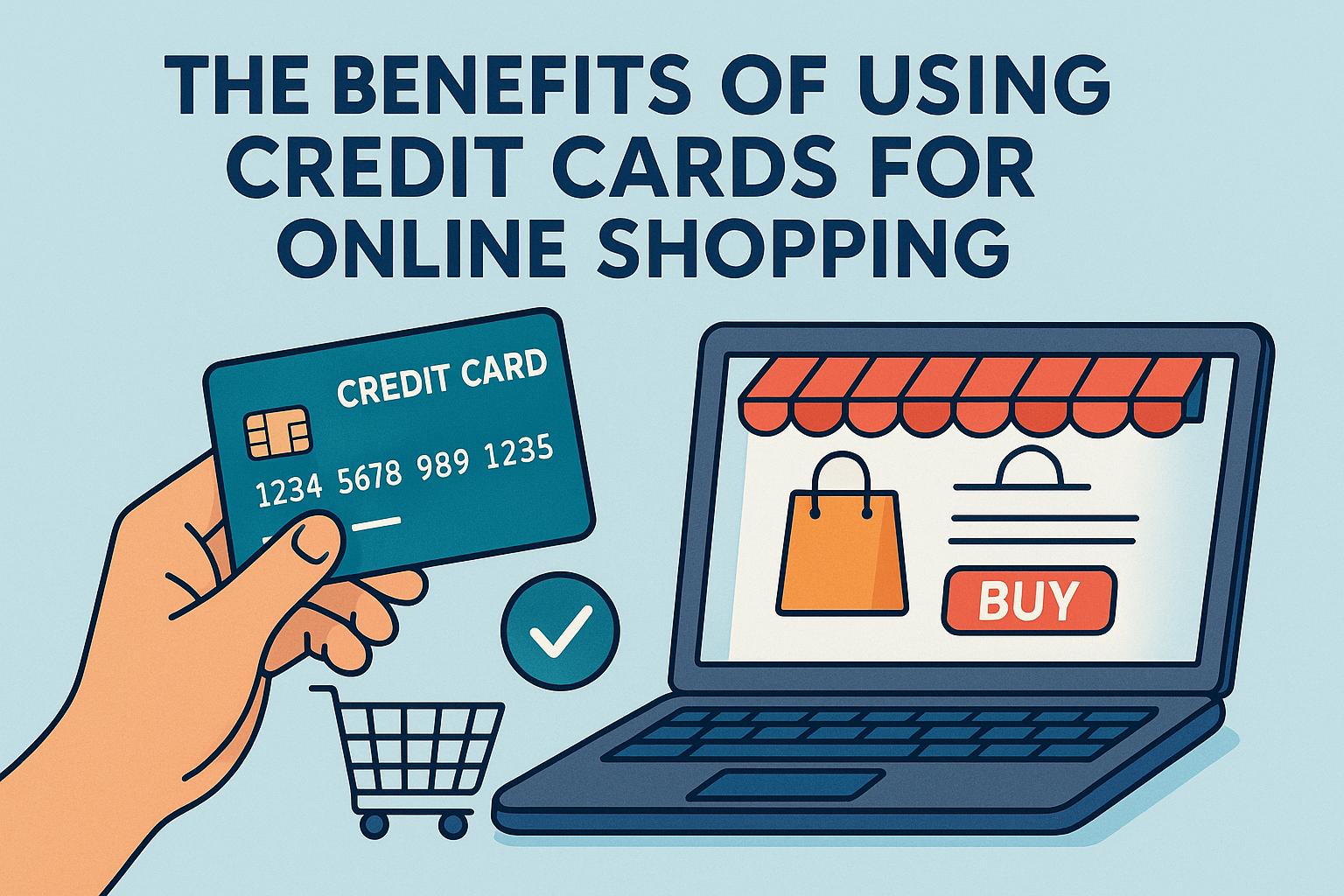
Credit cards have become a popular method of payment for online shopping due to their convenience and numerous benefits. In this article, we will explore the advantages of using credit cards for online transactions and elucidate why they are preferred by many consumers.

Convenience and Ease of Use

Credit cards offer a high level of convenience when it comes to online shopping. Users can effortlessly enter their card details to complete a purchase without the need to handle cash or constantly reload a bank account, as might be necessary with prepaid cards. Furthermore, credit cards enable shoppers to make quick transactions by storing their information in online retail accounts, reducing checkout times.

The process of using a credit card online is seamless and straightforward. Typically, once card details are saved, a user only needs to authenticate the purchase through a few clicks. This ease of use is particularly valuable during busy shopping seasons or for individuals who engage in frequent online transactions. The ability to quickly handle payments allows consumers to spend more time on browsing and less on payment logistics.

Moreover, credit cards provide a universal payment method that is accepted by nearly all online retailers. This ubiquity eliminates the hassle of dealing with multiple payment systems or creating various pay accounts, simplifying the shopping experience. As internet connectivity expands globally, credit cards continue to be an invaluable tool for facilitating commerce across continents, making them indispensable for the modern consumer.

Security Features

One of the paramount benefits of using credit cards for online shopping is the security measures they provide. Most credit cards offer built-in fraud protection features, such as zero-liability policies, which ensure that cardholders are not responsible for unauthorized transactions. Additionally, many financial institutions provide real-time alerts and monitoring to detect any suspicious activities, thus reinforcing consumer confidence in using credit cards for online purchases.

In addition to zero-liability policies, the technology behind credit card transactions has significantly evolved. Features such as tokenization, where sensitive card information is replaced with a token during transactions, and encryption ensure that cardholder data remains secure. Moreover, the implementation of two-factor authentication has added an additional layer of security, requiring users to verify their purchases through secondary means such as a text message or email confirmation.

Dispute Resolution

In cases where online purchases do not meet expectations, such as when goods are not delivered or are defective, credit cards provide an effective dispute resolution mechanism. Most card issuers support their customers in disputing transactions, which can result in refunds or chargebacks if the cardholder’s claim is found to be valid.

This support system is critical in maintaining customer trust, as it ensures a safety net for consumers when transactions don’t go as planned. The dispute process often involves a temporary credit to the cardholder’s account while investigations are conducted, providing immediate relief while issues are resolved. This not only builds confidence in using credit cards online but also encourages more consumers to engage in digital commerce activities.

Rewards and Cashback Offers

Many credit cards offer rewards programs or cashback incentives for their users. These rewards can take the form of points, miles, or percentage cashbacks for purchases, including those made online. Over time, these rewards can accumulate and provide significant savings or other benefits, making credit cards an attractive payment option for frequent online shoppers.

The allure of earning rewards can drive consumer purchasing decisions, pairing the necessity of payments with the benefit of consumers feeling rewarded. These incentives can range from travel perks and gift vouchers to discounts on future purchases. Depending on the card used and the spending habits of the user, these rewards can translate into tangible benefits that help offset other expenses, demonstrating how financial products can integrate value-added services into daily usage.

Building Credit History

Using credit cards responsibly for online shopping can help individuals build and improve their credit history. Consistent and prompt payment of credit card bills demonstrates financial responsibility, which is a critical factor in determining credit scores. A good credit history can lead to better interest rates on loans and other financial products.

The ability to build credit history is inherently attractive to new consumers or those looking to rebuild their financial reputation. As purchases are made and bills are paid timely, credit card usage becomes a powerful tool in shaping and enhancing a user’s credit profile. Over time, cultivating a strong credit history opens doors to more substantial financial opportunities such as mortgages, car loans, and other forms of credit that can be pivotal in achieving life goals.

Extended Warranty and Purchase Protection

Some credit cards offer additional benefits such as extended warranties and purchase protection for items bought using the card. This means that cardholders may receive an extension of the manufacturer’s warranty or be protected against theft or damage for a limited period, offering additional peace of mind when shopping online.

These features effectively act as insurance on purchases, ensuring that users have recourse if products fail or become damaged. In this aspect, credit cards not only facilitate payments but provide a level of assurance for post-purchase satisfaction and protection. This is particularly beneficial for high-value items, where the extended warranty can save consumers significant amounts of money by avoiding out-of-pocket repair or replacement costs.

Conclusion

The use of credit cards for online shopping presents several advantages, including convenience, security, and financial benefits. While they are an efficient payment method, it is essential for consumers to be aware of the associated responsibilities, such as timely payment of balances to avoid interest charges. Overall, when used wisely, credit cards can significantly enhance the online shopping experience.

By adopting responsible usage practices, consumers can harness the full spectrum of advantages offered by credit cards. This encompasses everything from streamlined transaction processes and enhanced security to the accrual of meaningful rewards. As we advance into a more digital and interconnected world, the role of credit cards remains pivotal, ensuring that consumers, businesses, and financial institutions collectively benefit from safer, more efficient, and rewarding transactions.

How to avoid common credit card traps for young people

How to avoid common credit card traps for young people

The Importance of Understanding Credit Card Terms

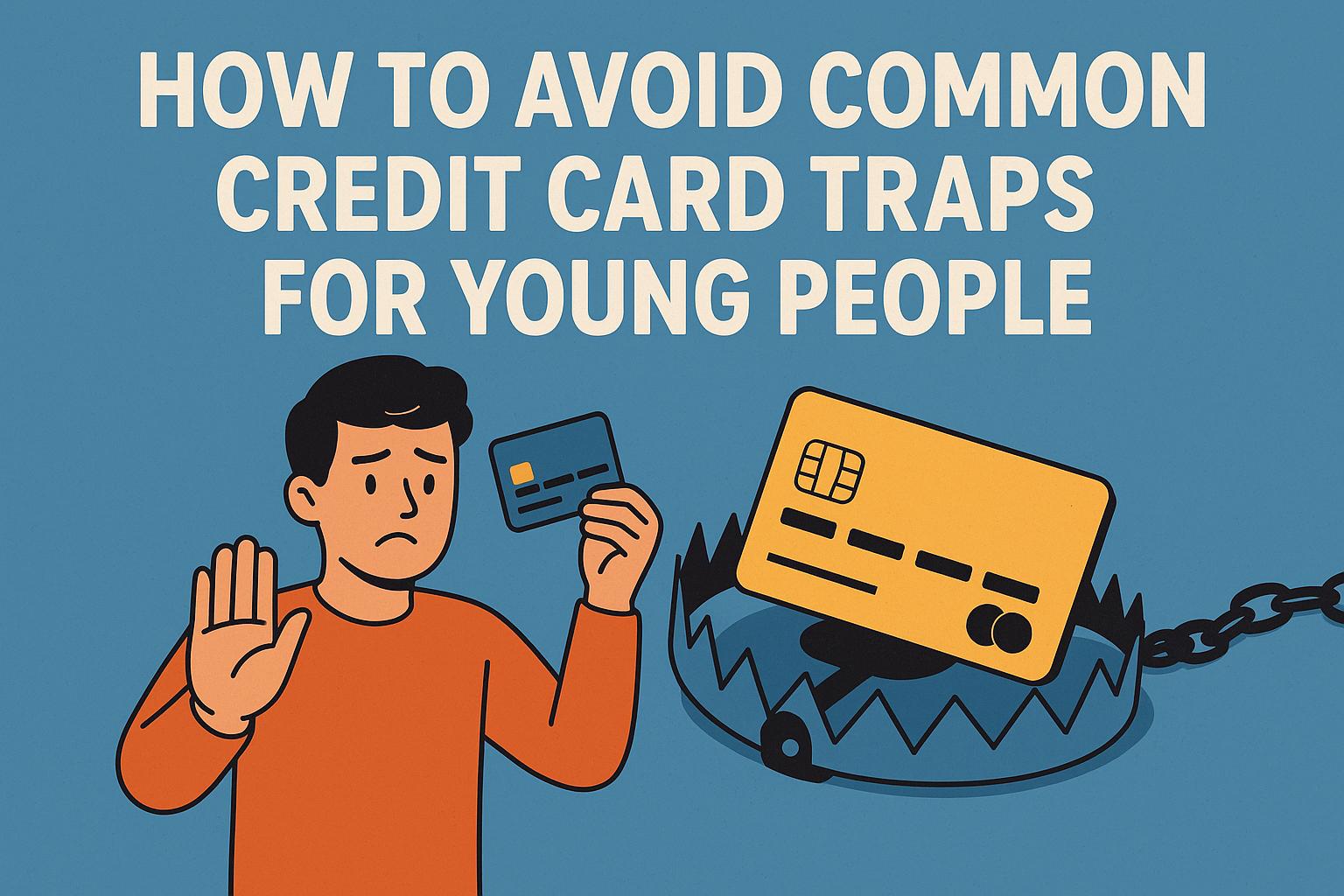
In today’s fast-paced world, credit cards have become an indispensable financial tool for many, offering convenience and flexibility in managing expenses. However, the accessibility and ease of use of credit cards have also led to many young individuals falling into various financial pitfalls. Most of these can be attributed to a lack of understanding of the intricate terms and conditions associated with credit card use. Developing a solid foundation of knowledge about credit card terms can empower users to make informed decisions and avoid potential financial traps.

One of the most crucial aspects of managing credit cards effectively is thoroughly reading the fine print accompanying credit card agreements. This usually includes vital information, such as the annual percentage rate (APR), annual fees, and potential charges that might be incurred during the course of using the card. Financial institutions often tempt customers with attractive terms, like low introductory rates, which can significantly change after an initial period. Being unaware of how these rates may fluctuate over time can lead to unexpected financial burdens when rates increase. Consequently, understanding and keeping track of these changes can help in devising an effective budget and financial plan.

Recognizing the Impact of Minimum Payments

Another area where credit card users often fall into traps is in the concept of minimum payments. Credit card companies frequently promote the convenience of paying a minimum amount each month, which can seem like an easy way to manage debts. However, consistently making only minimum payments can lead to a prolonged repayment period. This is primarily due to the way interest is calculated, which means paying only the minimum can result in a significant accumulation of interest over time. Therefore, it is highly recommended to strive to pay off the entire balance each month to avoid the trap of escalating interest costs. If settling the full balance is not achievable, paying as much as possible will help minimize the repayment period and the total interest paid.

Understanding Credit Card Rewards Programs

Credit card rewards programs stand as one of the most enticing features provided by credit issuers to attract and retain customers. These programs offer various benefits, such as cashback, travel points, and other incentives. However, it is crucial for young cardholders to ensure that the rewards genuinely outweigh any additional expenses incurred by pursuing them. For example, if a reward program involves annual fees, it’s important to reflect on whether the rewards justify these fees, and if the spending required to earn the rewards fits within a sensible budget. Overextending oneself financially in pursuit of rewards could lead to significant financial strain, despite the perceived benefits. A balanced approach to evaluating if a particular rewards program aligns with personal financial circumstances and objectives is essential.

Avoiding Overuse and Maintaining a Low Balance

While credit cards provide the convenience of easy access to funds, they can also become a double-edged sword leading to mounting debts. Excessive reliance and overuse can easily result in overleveraging one’s finances. It is, therefore, strategic to maintain a low balance, which ideally should be below 30% of the total credit limit. Besides the immediate benefit of debt management, maintaining a low balance positively influences one’s credit score. A lower credit utilization rate is often seen as a sign of prudent financial conduct by credit rating agencies. Achieving and maintaining this balance requires conscious monitoring of expenditures to ensure alignment with financial goals and repayment capabilities.

Frequently Monitoring Your Credit Report

Regularly reviewing your credit report stands as an integral part of maintaining a strong financial profile and avoiding potential pitfalls associated with credit card misuse. A credit report offers a comprehensive view of credit usage and can help identify any inaccuracies or unauthorized activities, enabling prompt corrective measures. In many regions, services are available that offer free annual access to credit reports, providing individuals with the tools necessary to ensure their financial integrity. Furthermore, maintaining an awareness of one’s credit standing champions a proactive approach towards financial management and long-term planning. This practice not only aids in protecting current financial health but also offers foresight into improving future credit opportunities.

By cultivating a thorough understanding of credit card terms, recognizing the impacts of minimum payments, carefully evaluating rewards programs, keeping credit utilization low, and maintaining regular oversight of credit reports, young individuals can adeptly navigate the landscape of credit card management. These strategic measures equip users with the knowledge and capacity to effectively manage their credit cards while circumventing common pitfalls that can compromise financial health. With informed usage, credit cards can serve as a powerful ally in achieving long-term financial objectives.

What is a zero-interest introductory offer, and how does it work

What is a zero-interest introductory offer, and how does it work

Understanding Zero-Interest Introductory Offers

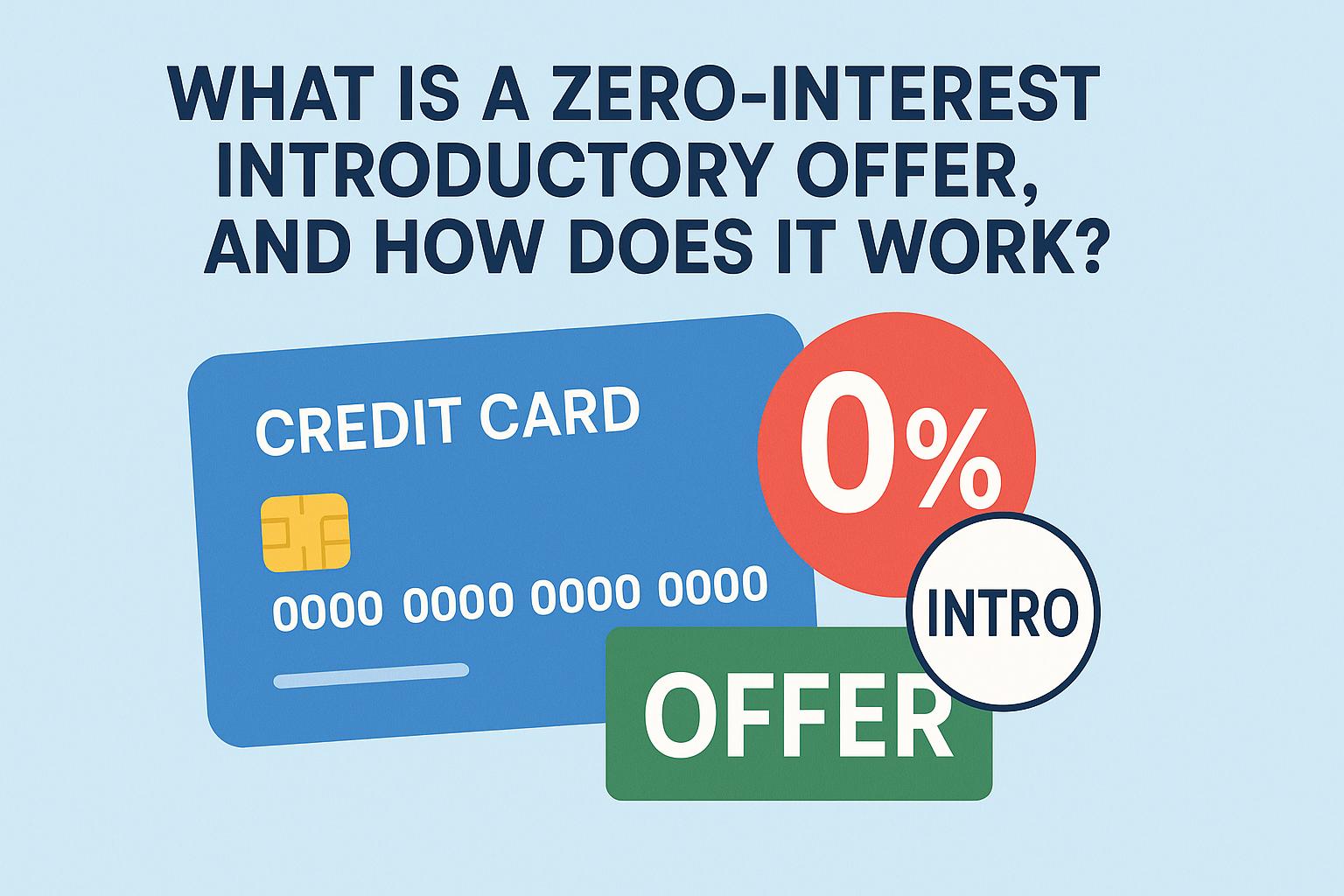
Zero-interest introductory offers are promotional strategies used predominantly by credit card companies as a way to entice new customers and foster loyalty among existing clients. These offers create an opportunity for consumers to make purchases or transfer financial obligations without incurring interest charges for a designated period.

How a Zero-Interest Introductory Offer Works

Upon approval for a credit card featuring a zero-interest introductory offer, a consumer gains access to an interest-free window. Typically, this promotional duration ranges from six to 18 months, depending on the policies of the card issuer. Within this timeframe, any new charges made on the card or balances transferred to the card do not accrue interest, which can significantly relieve financial pressures on the cardholder.

Important Considerations:

The promotional period is inherently temporary. Once it concludes, any outstanding balance will become subject to the standard interest rates set by the card company. Therefore, maximizing the benefits of this offer hinges on the cardholder’s ability to pay off the accumulated balance before the introductory phase ends.

These offers may apply to new purchases, balance transfers, or, in some cases, both. This flexibility allows consumers to make informed financial decisions based on the terms and conditions specified in the card agreement. It is crucial for cardholders to fully understand the terms of their specific offer.

Potential Benefits

Zero-interest introductory offers present several potential benefits for financially savvy consumers. They can be particularly beneficial for individuals needing to make substantial purchases or those looking to consolidate high-interest debt. For instance, when planning to buy an expensive item, a consumer might be unable to pay the entire cost upfront. Using an interest-free period enables the cardholder to spread the payment across several months without the additional burden of interest, effectively easing financial strain.

Similarly, those burdened with high-interest credit card debt may find relief by transferring those balances to a zero-interest card. By doing so, they can halt the accumulation of mind-boggling interest charges and focus on paying down the principal balance, thus achieving debt reduction more effectively.

Risks and Considerations

While the advantages of zero-interest introductory offers are apparent, several considerations warrant attention to navigate potential pitfalls wisely.

Ending of the Introductory Period:
A key risk arises when the introductory period ends. Any remaining debt on the card becomes subject to the card’s standard interest rate, which can be significantly higher. This shift can considerably impact the overall cost, emphasizing the importance of repaying the balance in full before the offer concludes to avoid unfavorable financial consequences.

Potential Fees:
Another aspect to consider is the possibility of incurring fees associated with balance transfers. Commonly, credit card companies charge a fee that is a percentage of the total amount transferred. Consumers must evaluate whether these fees undermine the potential savings garnered from the interest-free period. It is paramount to calculate the cost-effectiveness of the transfer before executing it.

Impact on Credit Score:
Additionally, one should consider how opening a new credit card account might affect their credit score. Applying for and receiving a new card can initiate a hard inquiry into the consumer’s credit report, which might lower the credit score temporarily. Furthermore, transferring balances can affect the consumer’s credit utilization ratio and available credit, both of which are significant factors in most credit scoring models.

Conclusion

In conclusion, zero-interest introductory offers can serve as a potent tool for managing expenses and consolidating debts under certain circumstances. However, their effectiveness depends on careful planning and execution. To avoid high-interest charges after the promotional period, consumers must diligently repay the debt within the stipulated timeframe.

Each offer is unique with its terms and conditions, thus demanding thorough scrutiny from potential cardholders. It is advisable for individuals to conduct comprehensive research and even seek advice from financial advisors if necessary. For those looking to delve deeper, visiting the official websites of credit card providers can provide additional insights and clarity into these potentially advantageous offers.