What is the minimum payment on a credit card, and why is it important

What is the minimum payment on a credit card, and why is it important

Understanding Minimum Payments on Credit Cards

When you receive your credit card statement each month, it encapsulates various crucial details that help in managing your financial matters effectively. Among these, the minimum payment stands out as a fundamental aspect of managing your credit card debt, and grasping its implications is key to maintaining financial health.

What is the Minimum Payment?

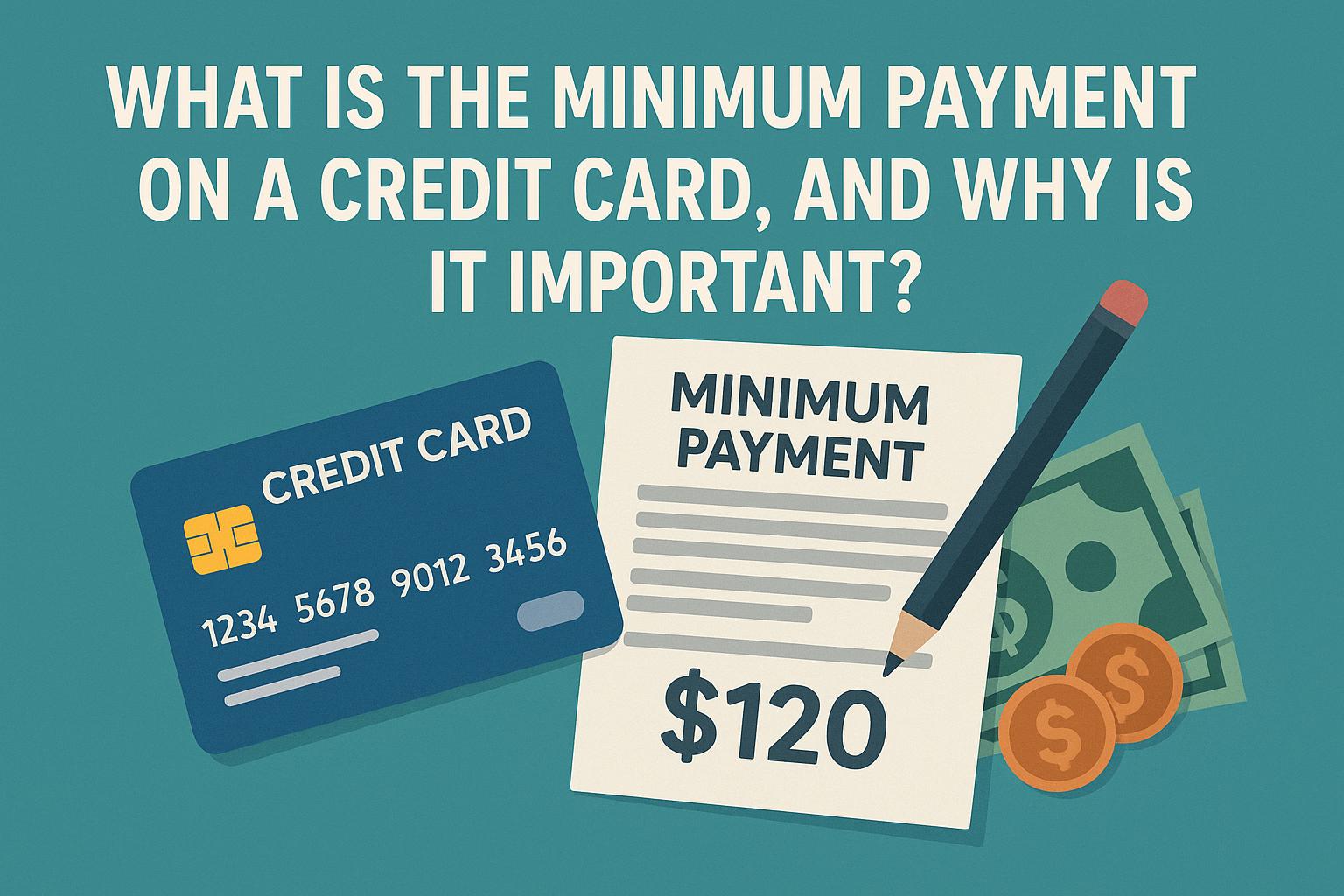
The concept of the minimum payment revolves around the notion of maintaining your credit card account in good standing. It represents the smallest sum of money that you need to settle by the designated due date. This figure is usually computed as a minor percentage of your total outstanding balance, often ranging between 1-3%. Occasionally, it might also encompass any interest charges and additional fees that have been incurred during the billing cycle.

Components of Minimum Payment

The elements constituting your minimum payment can vary based on the credit card issuer. Generally, it consists of the following:

1. A percentage of your balance: This typically accounts for 1-3% of the total outstanding balance, which includes any accrued interest and fees.

2. Any interest or fees: Including these in the minimum payments ensures that they do not compound, adding a layer of financial safety.

3. A fixed amount: Certain credit cards specify a minimum monetary amount for the payment, often around $25 to $35, irrespective of the balance.

In understanding these components, one can better navigate financial responsibilities and make informed decisions about debt management.

Why Is It Important?

Comprehending the importance of sticking to the minimum payment is vital for several reasons. Let’s delve into why this practice holds considerable weight in successfully managing credit proceedings.

Maintaining a Good Credit Score

By ensuring you pay at least the minimum amount required, your credit card stays in good standing. This consistent punctuality with payments positively influences your credit history and subsequently, your credit score. This diligence is often interpreted by financial institutions as a sign of responsible credit management, marking you as a trustworthy borrower.

Avoiding Late Fees and Penalties

Ignoring the need to make a minimum payment by the due date can trigger late fees, increased interest rates, or other punitive measures. These repercussions not only escalate the amount you owe but can also significantly diminish your credit rating over time, presenting long-term challenges.

Preventing Escalation of Debt

Although attending to the minimum payment helps shun immediate penalties, it’s crucial to realize that this approach does not significantly lower your debt. Interest continues to amass, potentially leading to a cycle of escalating debt. Making only the minimum payment each month can stretch the period required to pay off your balance, leading to a substantial increase in the total interest paid.

Additional Considerations

While meeting the minimum payment might seemingly provide a short-term respite, it’s imperative to devise a more vigorous strategy for reducing the balance over time. Consider the following strategies to manage your debt effectively:

Paying More Than the Minimum

Allocating more than the minimum payment each month helps in lowering interest costs and curtails your total debt more swiftly. It enables a proactive approach towards enhancing your financial stability and steering clear of the pitfalls of prolonged debt.

Exploring Debt Management Solutions

Exploring alternative solutions like balance transfers or consolidating debt at a lower interest rate could contribute towards more efficient debt management. These measures can offer relief and help streamline your financial obligations, paving the way for a healthier financial outlook.

By embracing these insights and strategies, you can maintain a steady course towards financial equilibrium, thereby transforming potential liabilities into opportunities for growth and management efficacy. For more tips and comprehensive advice on managing credit and enhancing financial well-being, visit the Consumer Financial Protection Bureau to access a wealth of resources and guidance.

Equipping yourself with a thorough understanding and effective management of minimum payments on credit cards can vastly improve your financial accountability and durability, ensuring a balanced and controlled financial future.

How to build credit with a credit card

How to build credit with a credit card

Understanding the Basics of Building Credit

To build credit with a credit card, it’s essential to first understand what building credit entails. Your credit score is a numerical representation of your creditworthiness, influenced by several factors such as payment history, credit utilization, and the length of credit history. A well-managed credit card can serve as a tool to enhance your credit score over time.

Choose the Right Credit Card

When starting out, selecting the right credit card is crucial. If you’re new to credit, consider a secured credit card, which requires a security deposit that serves as your credit limit. These cards are often easier to obtain and can serve as a stepping stone to unsecured cards, which do not require a deposit.

Consider Interest Rates and Fees

Interest rates and fees can greatly affect your credit-building efforts. Opt for a card with low interest rates and minimal fees. Be aware that some cards may have annual fees, so evaluate whether the benefits outweigh the costs. For more information on choosing a credit card, visit Consumer Financial Protection Bureau.

Utilize Your Credit Card Responsibly

Responsible credit card usage is vital to building credit. Charge only what you can afford to pay off each month. This approach helps prevent debt accumulation and portrays you as a reliable borrower. It’s essential to maintain financial prudence when using credit cards.

Pay Your Bills in Full and On Time

Consistently paying your monthly bill in full and on time is one of the most effective ways to build credit. Timely payments account for a significant portion of your credit score and demonstrate financial responsibility. Late payments can have a negative impact on your credit score, affecting your creditworthiness and increasing future borrowing costs.

Maintain a Low Credit Utilization Ratio

Your credit utilization ratio, or the percentage of available credit you’re using, plays a critical role in your credit score. Aim to keep this ratio below 30%. For example, if your credit limit is $1,000, try to keep your balance under $300. This demonstrates to lenders that you are not over-reliant on credit.

Monitor Your Credit Regularly

Regularly checking your credit reports helps you track your progress and identify any inaccuracies. You’re entitled to one free credit report per year from each of the three major credit bureaus. Visit AnnualCreditReport.com to access these reports. Monitoring your credit can also protect you against identity theft and fraud, ensuring your personal financial data is secure.

Limit Inquiry and New Accounts

While it’s important to have a credit account to build history, opening several new accounts in a short period can negatively impact your credit score. Each application results in a hard inquiry, which can slightly lower your credit score. Be selective and intentional about applying for new credit, ensuring that each application serves a strategic purpose in your financial planning.

Establish a Long Credit History

The length of your credit history also influences your credit score. Keeping your credit card open for an extended period, even if it’s not frequently used, can help establish a long and positive credit history. This longevity demonstrates stability and can lead to improved credit offers over time. Ensure that your oldest accounts remain active, as they are pivotal in forming a robust credit profile.

Understand the Impact of Different Credit Behaviors

Every financial decision you make surrounding credit cards will have an impact on your credit score. Whether it’s paying off your balance promptly, strategically choosing the right credit card, or managing how frequently you’re applying for credit, each plays a role in painting a picture of your financial health. Understanding these nuances will enable you to make informed decisions, paving the way for stronger creditworthiness.

The Importance of Financial Education

A strong grasp of financial literacy is foundational in ensuring you navigate credit responsibly. Engaging with resources like financial advisors or educational content can enhance your understanding of the credit system. By doing so, you become more adept at managing your credit and can maximize the benefits of having a good credit score.

Credit as a Tool for Future Financial Decisions

A solid credit history is not just a figure on paper; it enables more significant financial opportunities. From buying a house, securing a car loan, to obtaining favorable interest rates, a good credit score can make these goals more attainable. Hence, investing time and effort into building your credit translates to broader financial security and flexibility.

Consistency Is Key

Building credit is not a sprint, but a marathon. It’s about establishing and maintaining smart financial habits consistently over time. Developing an approach that prioritizes responsible credit use will fortify your credit profile against the ever-changing currents of financial circumstances. Periodic evaluation of your credit habits ensures that you remain on track and can make necessary adjustments.

Stay Informed and Adapt

The realm of credit is dynamic, with policies and factors that might change over time. Staying informed about these changes will allow you to adapt seamlessly, ensuring that your credit-building strategies remain relevant and effective. As laws evolve, keeping abreast with reputable financial news and updates can empower you to make proactive decisions for your fiscal wellbeing.

By following these practices, you can efficiently build credit with a credit card. Consistency and discipline are key to laying a strong foundation for a healthy credit profile. Developing positive credit habits today can lead to lasting benefits, preparing you for the financial responsibilities and opportunities of tomorrow. By ingraining these principles into your financial strategy, you not only enhance your credit score but also set the stage for a more secure economic future.

The pros and cons of student credit cards

The pros and cons of student credit cards

The Pros and Cons of Student Credit Cards

Student credit cards are a prevalent financial tool tailored specifically for young adults pursuing higher education. Available with particular features and benefits targeting students, these cards present both opportunities and challenges. This discussion will explore the primary advantages and disadvantages linked with student credit cards.

Pros of Student Credit Cards

Building Credit History
A significant benefit of student credit cards is their ability to help students establish a credit history. Initiating a credit profile early can result in long-term advantages, as individuals with a solid credit score gain ease in acquiring loans, renting accommodations, and even securing employment opportunities in certain fields. A well-established credit history signifies a person’s reliability in managing debt, making them an attractive candidate for various financial prospects.

Learning Financial Responsibility
Student credit cards also function as an effective educational apparatus for fostering financial responsibility. Through the management of a credit card, students gain practical insights about budgeting, interest rates, and the repercussions of excessive spending. Such experiences are crucial as they transition towards complete financial autonomy. Gaining an understanding of timely payments and disciplined spending habits can guide students in navigating more significant financial challenges upon graduation.

Rewards and Benefits
Many student credit cards feature appealing rewards, such as cashback, points, or exclusive discounts on categories such as groceries or dining. When utilized judiciously, these rewards offer added value. Students careful in monitoring their purchases can leverage these rewards to offset expenses and optimize their budget. For instance, accumulating points for travel or enjoying discounts on everyday items can ease the financial burden on a student’s limited budget.

Emergency Access to Funds
Credit cards provide students with immediate access to funds, which is beneficial in unforeseen circumstances. Particularly for students residing away from home, encountering unexpected expenses might necessitate quick financial solutions. Whether it’s a medical emergency or urgent repairs, having a credit card ensures that students can address these unplanned costs without delay, offering peace of mind.

Cons of Student Credit Cards

High-Interest Rates
Student credit cards typically feature elevated interest rates in comparison to general credit cards. This implies that balances not settled in full each month can accrue substantial interest, imposing financial stress on students. The compounded interest can escalate debt, draining any savings and significantly impacting their financial stability. Therefore, students must be vigilant about paying off balances promptly to prevent burdensome interest accumulation.

Risk of Debt Accumulation
One of the critical hazards associated with student credit cards is the risk of debt accumulation. Without prudent management, students might become overly reliant on credit cards for routine purchases, leading to a spiraling debt cycle. This cycle is challenging to break and can detrimentally affect their long-term financial health. Students should practice spending within their means and develop a strategy for managing credit to avoid overwhelming debt.

Limited Credit Limits
While restricted credit limits serve to curb excessive spending, they can pose challenges when a student faces a need for significant expenditure. A limited credit threshold may impede the quick enhancement of one’s credit score, as the credit utilization ratio remains a crucial factor in credit scoring. Lower credit limits necessitate diligent tracking of spending and disciplined utilization to ensure that larger financial goals are not adversely impacted.

Potential for Credit Score Damage
Improper handling of student credit cards, such as neglecting payments or frequently hitting the credit cap, can inflict damage on a credit score. Such negative entries on a credit report might take years to amend, imposing a detrimental effect on a student’s financial prospects post-graduation. It’s essential for students to maintain careful oversight of how they use credit, ensuring they meet payment deadlines and manage their spending effectively to safeguard their financial future.

Conclusion

In summary, student credit cards, when employed judiciously, present a valuable mechanism for young adults in cultivating credit and acquiring essential financial management skills. However, recognizing the inherent risks and approaching credit card utilization with caution is imperative. By strategically handling these cards, students can effectively lay the groundwork for a strong financial footing, preparing themselves for the economic responsibilities and opportunities that lie ahead.