The importance of understanding credit card interest rates (APR)

The importance of understanding credit card interest rates (APR)

The Basics of Credit Card Interest Rates (APR)

Understanding credit card interest rates, commonly referred to as Annual Percentage Rates (APR), is a critical aspect of managing your personal finances effectively. The APR is the annual rate charged by credit card issuers on any outstanding balance. Expressed as a percentage, APR gives a clear picture of how much borrowing on your credit card will cost over the course of a year. Grasping how APR functions can help you make informed financial decisions and avoid excessive debt, enabling you to manage your finances with greater precision.

Types of APR

Being aware of the various types of APRs is essential for credit card users as each type has different implications and costs.

1. Purchase APR: This is the interest rate applied to purchases made with the card if the balance is carried beyond the grace period. It is the most common type of APR, often affecting those who do not pay their full balance every month. Understanding the purchase APR can help cardholders make better spending and payment decisions.

2. Balance Transfer APR: Some credit cards offer a distinct APR for balance transfers, which can be utilized to consolidate debt from other credit cards. This rate may be lower or come with an introductory offer designed to encourage new customers or reward existing customers for transferring balances. Knowing the terms of balance transfer APRs can significantly aid in managing credit card debt efficiently.

3. Cash Advance APR: This is generally higher than the purchase APR and is applied to cash withdrawals made using the credit card. Usually, there is no grace period for cash advances, leading to immediate interest accrual. It’s crucial to comprehend the implications of cash advance APR to avoid unnecessary costs.

4. Penalty APR: This rate may be applied if you miss payments or violate other terms of your credit card agreement. Penalty APRs can be significantly higher and serve as a deterrent for payment defaults. Being aware of the potential for penalty APR can motivate better adherence to payment terms.

Calculating Credit Card Interest

Credit card interest is calculated on a daily basis. Here’s how you can determine the amount of interest you might pay during a billing cycle:

Divide your APR by 365 to ascertain the daily interest rate, which reflects how much interest accumulates each day based on the annual rate. Next, multiply this daily interest rate by the average daily balance on your credit card. This step is crucial because it incorporates your spending habits and payment behavior into the interest calculation. Finally, multiply the resulting figure by the number of days in the billing cycle to compute the monthly interest amount. This provides a clear estimate of how much interest adds up over a typical billing period, allowing for better financial planning.

The Impact of APR on Your Finances

A high APR can dramatically increase the amount you pay in interest, especially when you maintain a large balance on your credit card over time. This can lead to significant financial strain and difficulty in repaying existing debt due to compounding interest. Conversely, a low APR can result in savings on interest payments, thereby offering greater financial flexibility and control. Assessing and comparing the APRs on different credit products can profoundly impact your long-term financial health, influencing how you allocate your income and manage debt.

Strategies to Minimize Interest Costs

Here are effective strategies to help you manage credit card debt and minimize interest expenses:

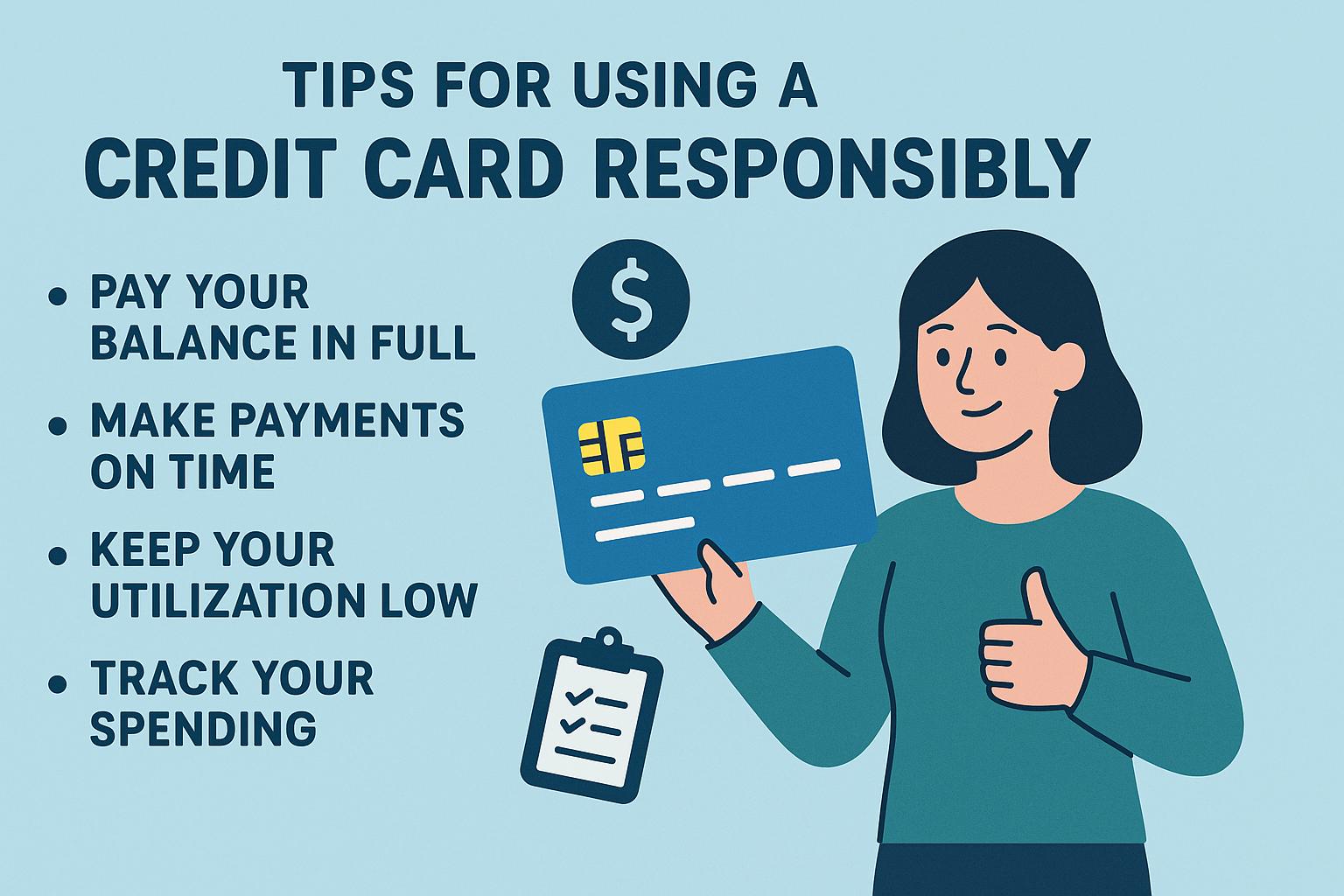
  • Pay your balance in full: By settling the entire balance before the due date each month, you can avoid incurring any interest charges. This practice not only saves money but also promotes financial discipline and enhances credit scores.
  • Utilize balance transfers: Some credit cards offer lower introductory APRs on balance transfers, which can help reduce interest costs if managed properly. When considering a balance transfer, evaluate the fees associated and the duration of the introductory period to optimize savings.
  • Explore lower-interest credit cards: Switching to a credit card with a lower APR can be a strategic move, particularly if you habitually carry balances. Researching and applying for cards with favorable terms can yield substantial financial benefits over time.

By becoming familiar with credit card APRs and adopting effective strategies, you can gain better control over your finances. This proactive approach prevents the pitfalls associated with high-interest debt, subsequently leading to improved financial stability and enhanced peace of mind. Careful consideration of APRs, paired with disciplined financial practices, ensures that you remain well-equipped to navigate the complexities of credit card usage and management.

How to choose the right credit card for your needs

How to choose the right credit card for your needs

Understanding Your Spending Habits

Assessing your spending behavior is a fundamental step in choosing the right credit card. The dynamics of your financial transactions directly influence the type of credit card that will complement your lifestyle and maximize benefits. Therefore, a detailed examination of where the majority of your financial resources are allocated is imperative.

Are you someone who enjoys frequent travel? Do you find yourself spending significant amounts on air tickets, hotel bookings, and travel-related expenses? Or, conversely, are your financial outflows predominantly directed towards groceries, dining out, or retail purchases? By identifying and analyzing these patterns, you will be better equipped to select a credit card that offers substantial rewards or benefits in these specific areas.

Analyze Your Payment Habits

Another critical aspect to consider when choosing a credit card is your payment habits. Take a moment to reflect on how you typically handle your monthly credit card payments. Are you diligent in paying off your balance in full each month, or do you often carry over outstanding amounts?

If you are adept at settling your balance monthly, you might favor a credit card that offers attractive rewards or cash back for your purchases. On the other hand, if you generally carry a balance, it would be prudent to seek a card that offers a low Annual Percentage Rate (APR). A lower APR will help reduce the interest charges accrued, making it easier to manage your debt over time and potentially enhancing your overall financial health.

Credit Reputation Matters

A pivotal factor to consider in the process of selecting the right credit card is your credit score. Your credit reputation significantly impacts the array of credit card options available to you.

A strong credit score not only broadens the selection of credit cards at your disposal but also improves the quality of benefits you can access. These benefits might include higher credit limits, more competitive interest rates, and rewards programs that are substantially more lucrative. If, however, your credit score is on the lower side, it might be beneficial to focus on credit cards specifically designed to aid in building or rebuilding credit.

Identify Primary Card Features

It is equally important to identify primary features in credit cards that align with your financial goals and lifestyle. These features include various elements that can significantly affect your overall satisfaction and financial benefits from using the card.

Rewards Program

One of the key features to scrutinize is the rewards program associated with each credit card. Some cards provide points for purchases that can be redeemed in various ways, while others offer cash back on particular expenses such as dining, travel, or grocery shopping. It is vital to select a rewards program that enhances your spending patterns and personal preferences.

Annual Fees

Annual fees represent another crucial consideration. It is essential to weigh the benefits of the card against any associated annual fees. Some premium cards may justify their fees with enhanced rewards and exclusive perks, while no-fee credit cards can provide significant value without a financial commitment.

Introductory Offers

Many credit cards come with enticing introductory offers, such as a 0% APR for a defined period or a significant bonus points offer upon sign-up. These offers can prove quite beneficial, especially if you have plans to make large purchases or intend to transfer a balance from another card to benefit from a temporary reduction in interest rates.

Importance of Cardholder Benefits

Beyond the financial terms, numerous credit cards offer additional cardholder benefits that can add significant value to your overall experience. These benefits often include travel insurance, purchase protection, and concierge services, among others. Evaluating how these benefits correlate with your lifestyle needs is essential to ensure they are pertinent and valuable.

Comparison Tools

To facilitate an informed decision, consider leveraging online comparison tools and calculators. Many financial websites provide side-by-side comparisons of credit card features, highlighting the pros and cons of each option. These tools can be immensely valuable in narrowing down your choices to fit your specific financial needs and lifestyle preferences.

Read Cardholder Agreement

Before finalizing your decision, it is crucial to thoroughly read the cardholder agreement. This legal document contains detailed information regarding fees, interest rates, rewards, and other terms that could impact your financial well-being. A comprehensive understanding of this agreement is fundamental to prevent any unpleasant surprises or misunderstandings in the future.

Real-User Feedback

In addition to the formal cardholder agreement, consider seeking out real-user feedback. Reviews and feedback from current cardholders can provide useful insights into the card’s usability and the quality of customer service provided by the issuer. These real-world experiences can significantly influence your decision-making process.

Apply Strategically

Once you have undertaken a thorough assessment of your financial habits, needs, and credit score, and have identified a suitable credit card, it is important to apply strategically. Focus on applying only for the card that aligns best with your financial circumstances and lifestyle needs. Be mindful that making multiple credit inquiries can negatively impact your credit score, so remain judicious in your application process.

Choosing the right credit card involves a comprehensive examination of your financial behaviors and needs. By diligently following these steps, you can ensure that the credit card you select will effectively support your financial objectives and lifestyle. For further assistance or information regarding credit card selection, you might consider visiting financial advisory websites or consulting with a professional financial advisor.