Understanding Credit Card Debt
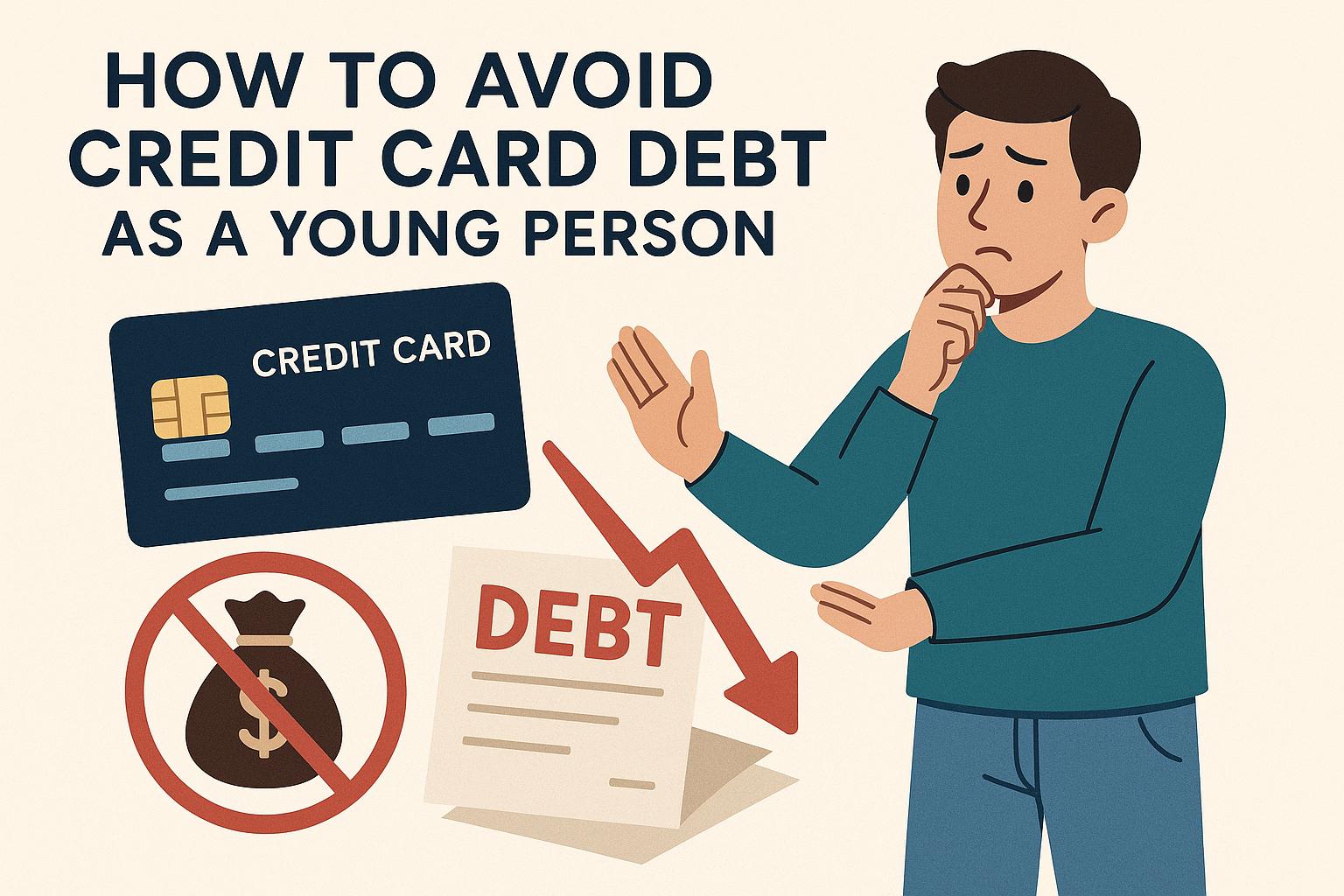
Credit card debt represents a pervasive financial challenge faced by numerous young individuals. It usually develops when individuals do not pay their credit card balances in full each month. This practice results in the accumulation of interest on the outstanding balance. Over an extended period, accumulated interest can significantly exacerbate one’s financial burden. Effectively managing credit card debt involves cultivating wise financial habits, ideally right from the start of one’s financial journey.
Create a Budget
Establishing and maintaining a budget is one of the most effective strategies to avoid falling into credit card debt. A budget serves as a tool that allows individuals to monitor their income and expenses systematically. By doing so, one can gain a comprehensive understanding of their financial situation. Understanding where one’s money is allocated helps in making informed decisions about spending. For detailed guidance on how to efficiently create a budget, refer to the Consumer Financial Protection Bureau’s guide.
Use Credit Cards Responsibly
Using credit cards responsibly is a critical aspect of circumventing debt. Implementing responsible practices can help in keeping debt at bay.
Pay Off Balances Monthly
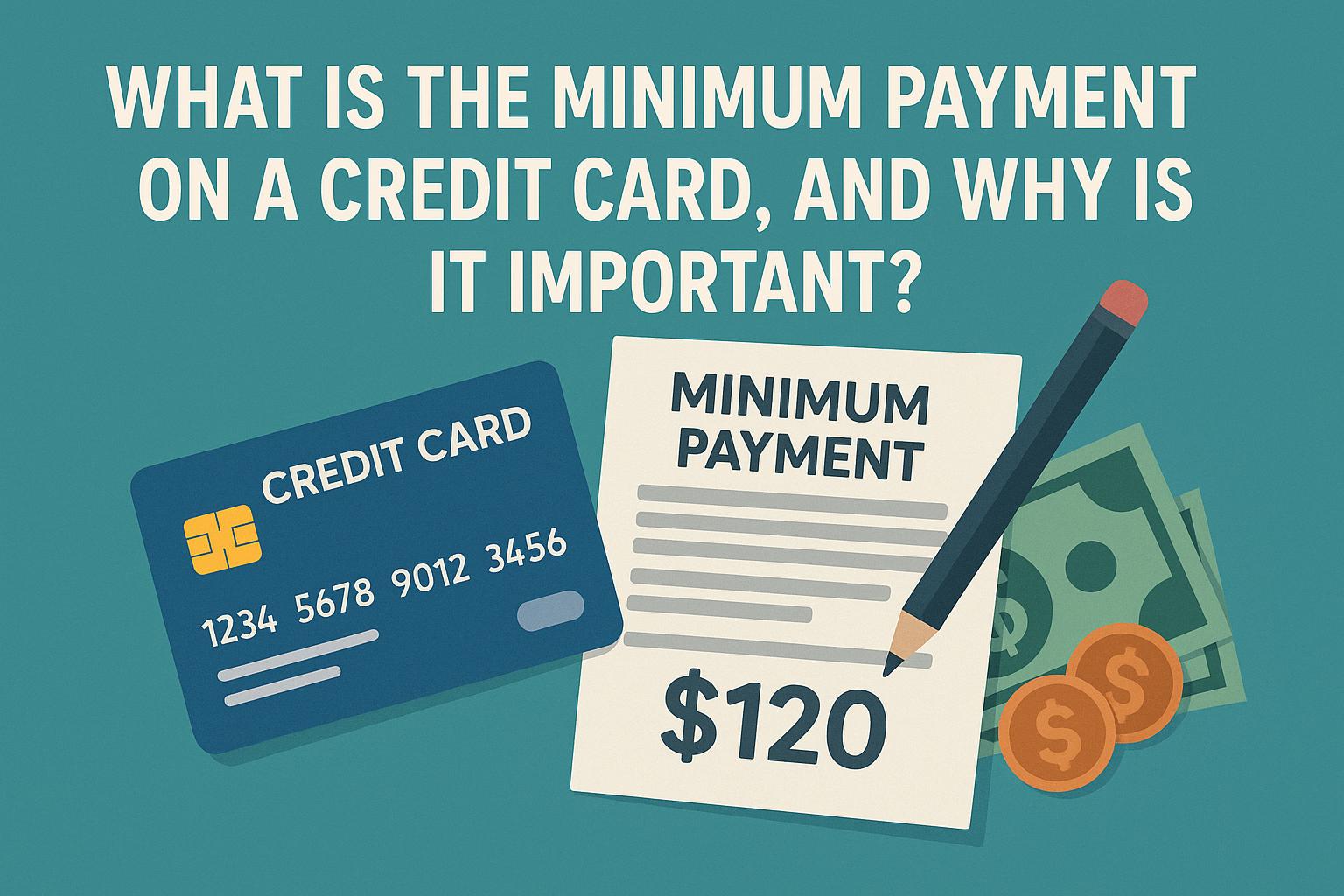
Where feasible, strive to pay off your credit card balance in full every month. Doing this averts interest charges and facilitates maintaining a robust credit score. This practice not only mitigates potential debt accumulation but also fosters a disciplined approach to credit utilization.
Understand Credit Limits
It’s essential to be cognizant of your credit limits. Keeping your spending well below this limit is crucial. Exceeding your credit limit may lead to over-limit fees and adversely affect your credit score. By staying within limits, you maintain financial control and safeguard your credit health.
Develop Financial Literacy
Improving one’s financial literacy provides the knowledge needed to make informed decisions about using credit cards and managing personal finances. Numerous resources, such as the FDIC’s Money Smart program, offer comprehensive financial education.
Learn About Interest Rates
A deep understanding of interest rates is crucial. Even slight percentage discrepancies can substantially impact the amount you ultimately pay if you carry a balance on your credit card. Therefore, it’s vital to acquaint oneself with terms like the annual percentage rate (APR) and comprehend how it affects the cost associated with credit card usage.
Set Financial Goals
Establishing financial goals serves as a strong motivation to use credit cards thoughtfully. Whether your objective is saving for a significant purchase or creating an emergency fund, having clear financial goals can inform your spending behaviors. These goals also aid in preventing unnecessary debt accumulation.
Limit the Number of Credit Cards
Limiting the number of credit cards in use can be advantageous. Managing several credit cards may increase the temptation to spend beyond what you can afford and can complicate financial management. Concentrating on using one or two cards with favorable terms assists in maintaining financial simplicity and control.
Monitor Your Credit Score
Consistently monitoring your credit score is advantageous as it keeps you abreast of your credit health. Individuals are entitled to receive a free annual credit report from each of the three major credit reporting agencies. These reports can be obtained at AnnualCreditReport.com. Regularly checking your score allows you to identify and correct potential discrepancies swiftly.
Conclusion
Efforts to evade credit card debt as a young adult necessitate both discipline and informed decision-making. By establishing a budget, wielding credit cards responsibly, enhancing your financial literacy, setting clear financial goals, and keeping tabs on your credit score, one can sustain a healthy financial state. Through these practices, the pitfalls of credit card debt can be effectively avoided.